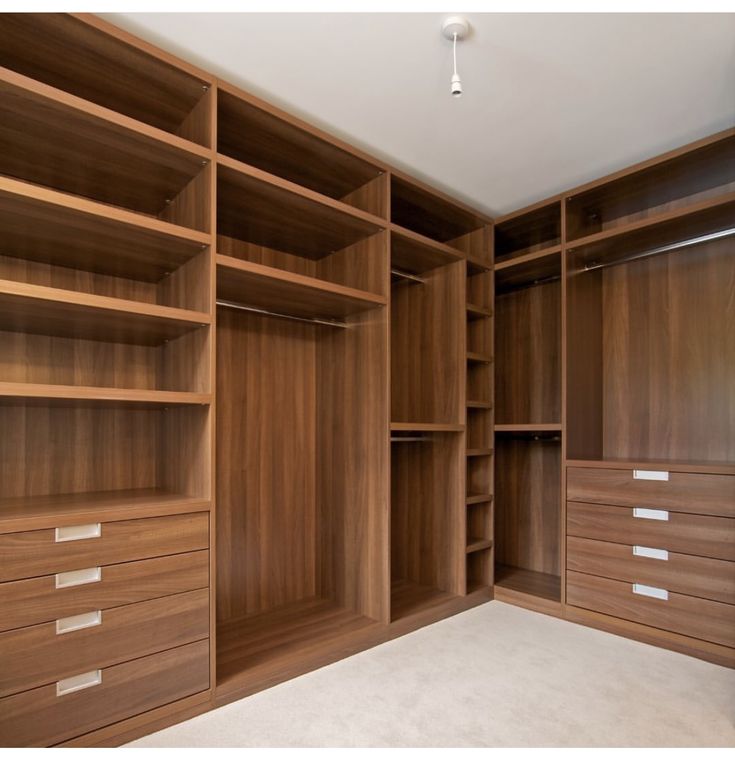
A well-designed walk-in wardrobe should provide organised storage, make everyday dressing easier and complement the bedroom. Its performance depends heavily on the materials used for the carcass, shelves, doors, drawers and internal finishes.
In Kenyan homes, the right material depends on the room’s moisture levels, ventilation, budget, preferred appearance and frequency of use. MDF, plywood, melamine-faced board, laminate, veneer and solid wood all have different strengths.
The most practical solution is often a combination of materials rather than using one material throughout the entire wardrobe.
1. MDF
Medium-density fibreboard (MDF) is manufactured from compressed wood fibres and resin. Its smooth surface makes it suitable for painted wardrobe doors, decorative profiles and contemporary cabinetry.
Best use: Painted doors, drawer fronts, decorative panels and selected shelving in dry, well-ventilated rooms.
Advantages
- Provides a smooth surface for paint and lacquer.
- Works well for routed and panelled door designs.
- Offers a consistent appearance.
- Available in different thicknesses and grades.
- Supports modern and classic wardrobe styles.
Considerations: Standard MDF can swell when exposed to prolonged moisture. Consider moisture-resistant MDF where appropriate, and ensure all exposed edges and cut-outs are sealed.
2. Plywood
Plywood is manufactured by bonding thin layers of wood veneer together. Its layered construction provides good structural strength and makes it suitable for wardrobe carcasses, shelves and drawer boxes.
Best use: Main wardrobe structure, larger shelves and internal storage components.
Advantages
- Good strength and screw-holding capacity.
- Suitable for larger storage installations.
- Generally more dimensionally stable than solid wood.
- Can be finished with laminate, veneer or paint.
Considerations: Plywood quality varies. Check the grade, thickness and core construction before fabrication. Edges should be finished, and the board should be protected from water ingress.
3. Melamine-Faced Board
Melamine-faced board has a decorative resin-based surface bonded to a manufactured board. It is popular in fitted furniture because it is supplied in ready-finished colours and patterns.
Best use: Internal partitions, shelves, drawer components and economical fitted storage.
Advantages
- Available in plain, wood-look and textured finishes.
- Easy to wipe and maintain.
- Offers a consistent appearance.
- Usually reduces the need for additional surface painting.
Considerations: Board quality and edge banding are important. Poorly sealed edges can allow moisture to enter, while hard impacts can chip the surface.
4. Laminate
Decorative laminate is applied to a suitable substrate to create a hard-wearing finish. High-pressure laminate (HPL) is particularly useful for surfaces that receive frequent handling.
Best use: Wardrobe doors, drawer fronts and frequently used surfaces.
Advantages
- Available in many colours and wood-look designs.
- Easy to clean with suitable products.
- Offers a durable decorative surface.
- Can coordinate with bedroom furniture and cabinetry.
Considerations: Laminate is a surface finish, not a structural board. Its performance depends on the substrate, adhesive and edge treatment.
5. Veneer
Wood veneer is a thin layer of real timber applied to a stable substrate such as MDF or plywood.
Best use: Premium wardrobe doors, feature panels and selected drawer fronts.
Advantages
- Provides the appearance and grain of natural wood.
- Creates a warm, sophisticated finish.
- Can be stained to achieve different shades.
- Works well in contemporary and classic interiors.
Considerations: Veneer requires careful finishing and protection. Grain direction and colour matching should be considered before fabrication.
6. Solid Wood
Solid wood provides an authentic natural timber appearance and can create distinctive wardrobe details.
Best use: Selected doors, handles, trims, shelves and premium accents.
Advantages
- Natural grain and character.
- Can be refinished depending on the finish and construction.
- Creates a warm, premium appearance.
- Suitable for traditional and contemporary designs.
Considerations: Solid wood can expand, contract or warp as humidity changes. It is often more expensive than engineered boards, so it may be more practical to reserve it for selected features.
7. Material Comparison
| Material | Best use | Advantages | Considerations |
|---|---|---|---|
| MDF | Painted doors and detailed panels | Smooth and versatile | Protect from moisture |
| Plywood | Carcasses and shelves | Strong and stable | Check board quality |
| Melamine-faced board | Internal storage | Ready-finished and easy to clean | Seal edges properly |
| Laminate | Doors and drawer fronts | Durable and easy-care | Requires suitable substrate |
| Veneer | Premium decorative surfaces | Real timber appearance | Needs careful finishing |
| Solid wood | Accents and selected doors | Natural character | Cost and moisture movement |
For more guidance on wardrobe planning and budgeting, read our article on Fitted Wardrobes in Nairobi. Homeowners comparing wardrobe finishes with other materials can also explore our Interior Design Materials and Finishes Guide.
8. Recommended Walk-In Wardrobe Specification for Kenyan Homes
For most Kenyan homes, a combination of materials offers a good balance between durability, appearance and cost.
A practical specification could include:
- Carcass: Quality plywood or moisture-resistant MDF, depending on room conditions.
- Internal surfaces: Melamine-faced board or laminate for easy cleaning.
- Doors: Lacquered MDF, laminate, veneer or selected solid-wood accents.
- Shelves: Properly supported plywood or quality manufactured board.
- Hardware: Quality soft-close hinges and drawer runners.
- Profiles: Aluminium profiles for selected framed doors and sliding systems.
- Lighting: LED strips in selected hanging sections and shelves.
- Drawers: Suitable drawer systems for accessories and folded clothing.
- Ventilation: Adequate airflow, especially in enclosed closets and humid locations.
A wardrobe should also be designed around its contents. Include long-hanging sections for dresses and coats, double-hanging sections for shirts, adjustable shelves, drawers and shoe storage.
Our article on Interior Finishing Materials and Their Prices in Kenya provides further context when comparing materials and planning a finishing budget.
9. Plan Lighting and the Bedroom Finishes Together
Integrated LED lighting can make a walk-in wardrobe easier to use, particularly in enclosed spaces. Consider lighting inside shelves, hanging sections and selected aluminium profiles.
The wardrobe should also complement the bedroom flooring, ceiling and wall finishes. For inspiration, explore:
- Modern Interior Finishes in Kenya
- Rustic Interior Finishes for Homes
- Scandinavian Interior Finishes
- Wall and Ceiling Finishes That Work Together
- Lighting and Accent Finishes That Transform Walls and Ceilings
These guides help homeowners coordinate wardrobe materials with the wider bedroom design rather than treating storage as a separate installation.
10. What to Check Before Fabrication
Before approving a wardrobe design, confirm exact site measurements, board thickness, edge banding, hardware specifications and selected finishes. Ask for a 3D design or detailed elevation showing shelves, drawers, hanging sections and door arrangements.
Areas We Serve
Interior Finishes Kenya provides residential interior design, fitted storage solutions and custom joinery services in Nairobi, including Westlands, Lavington, Karen, Kilimani, Kileleshwa, Runda, Muthaiga, Gigiri, Loresho, Lang’ata, Spring Valley, Lower Kabete, Ruaka, Utawala and Ruiru.
We also support suitable projects in Mombasa, Kisumu, Nakuru, Eldoret, Naivasha, Meru, Thika, Machakos and surrounding areas, subject to project scope and availability.
Get a Quote for Your Walk-In Wardrobe
Planning a new walk-in wardrobe? Share your room dimensions, preferred style, storage requirements and project location so Interior Finishes can help you plan a suitable specification.
Call or WhatsApp: 0717 044 443 / 0739 255 050 / 0725 021 709
Email: info@interiorfinishes.co.ke
Request a quotation: http://interiorfinishes.co.ke/get-a-quote