A salon or barbershop needs to look attractive and support efficient service, hygiene and customer comfort. The layout affects how many clients can be served, how staff move around the space and how easily the premises can be cleaned. The cost of salon and barbershop interior design in Kenya depends on the size of the shop, number of workstations, plumbing requirements, furniture, lighting, finishes and level of branding.
What Goes Into the Budget?
1. Space Planning and Workstations
Start by deciding how many stations the business needs. Each workstation requires adequate space for the chair, mirror, tools, staff movement and customer access. Avoid squeezing in too many chairs at the expense of comfort and circulation. For salons, separate zones may be needed for styling, washing, nail treatments, reception and storage.
2. Mirrors, Chairs and Storage
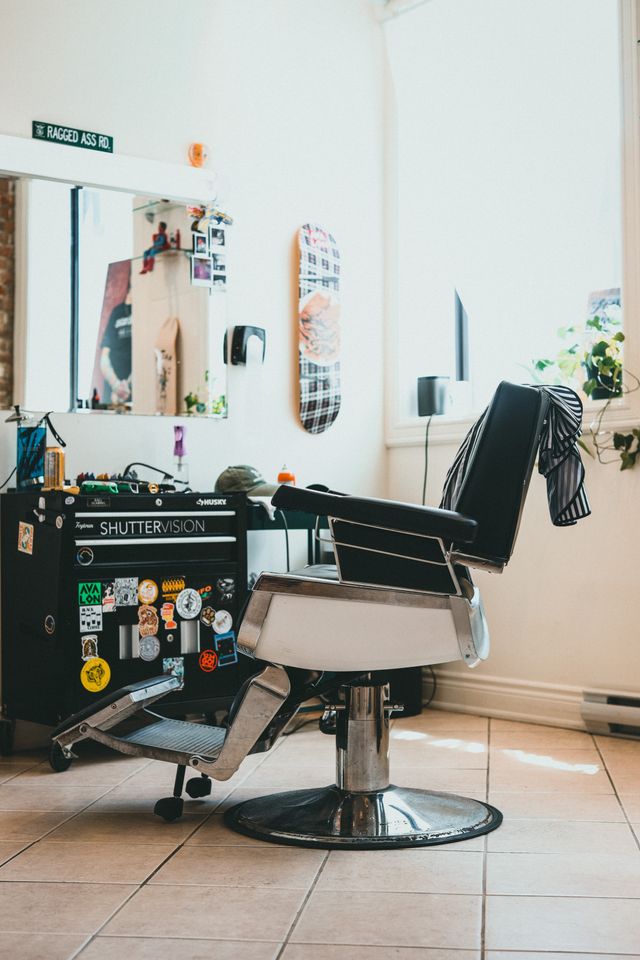
Barber chairs, salon chairs, mirrors, counters and storage units can account for a significant part of the budget. Choose equipment according to durability, comfort, available space and the services offered. Custom counters and storage may help maximise a compact shop, but should be measured before fabrication.
3. Flooring and Wall Finishes
Flooring should be easy to clean and suitable for hair clippings, spills and frequent foot traffic. Walls can remain neutral or use selected feature finishes behind mirrors and reception counters. Darker accents, timber-look panels or textured surfaces can help establish a distinctive brand identity.
Interior Finishes Kenya provides commercial interior design and flooring solutions for business premises.
4. Lighting and Mirrors
Lighting is particularly important because staff need to see their work clearly. Use a combination of general lighting and appropriate task lighting around mirrors. Decorative LED lighting can enhance the design, but it should not create glare or distracting reflections.
5. Plumbing and Electrical Work
Hair-washing stations, sinks, water heaters, additional sockets and equipment connections can affect the final cost. Plan these services before wall finishes and cabinetry are installed. Changes made late in the project can result in unnecessary demolition and rework.
6. Reception, Branding and Signage
A reception counter and clear signage help create a professional first impression. A feature wall, illuminated logo or 3D sign can make the business more recognisable.
However, prioritise essential equipment and safe circulation before spending heavily on decorative features.
How to Keep the Project Affordable
Prepare an itemised budget covering furniture, equipment, materials, labour, plumbing, electrical work and signage.
Where possible, use standard dimensions for counters and storage. Spend more on frequently used equipment and surfaces, while keeping decorative finishes selective.
SUIMAS Interiors has published guidance on salon and beauty shop interior design, as well as barbershop and spa interior design.
Plan Your Salon or Kinyozi Fit-Out with Suimas Interiors
Whether you are opening a new barbershop, upgrading a kinyozi or fitting out a full-service beauty salon, a site assessment can help determine the right layout and finishing budget.
Contact SUIMAS Interiors
Call/WhatsApp: 0717 044 443 / 0739 255 050 / 0725 021 709
Email: info@suimas.co.ke
Related Post Resources
- Commercial Interior Design
- Interior Fit-Out Services
- Flooring Solutions – Interior Finishes Kenya
- Wall Finishes and Feature Walls
- 3D Logos and Signage
- Salon and Beauty Shop Interior Design
- Barbershop and Spa Interior Design in Kilimani
- 3D Signage Ideas – SUIMAS
- Commercial Interior Design – SUIMAS
- Interior Design Services
- Interior Designers in Kenya – SUIMAS
- Cost of Office Renovation in Kenya
- Office Renovation Cost in Kenya
- Renovation Company in Kenya
- SUIMAS Interiors Contact Page
- Interior Finishing Materials and Their Prices
- 3D Signage Ideas for Kinyozis, Salons, and Retail Shops
- Reception and Waiting Area Finishes