Gypsum Ceiling vs PVC Ceiling in Kenya: Costs, Benefits and Differences
Gypsum Ceiling vs PVC Ceiling in Kenya is an important comparison for homeowners, landlords, property developers and businesses planning interior finishing projects. Both materials can create attractive ceiling finishes, but they differ in appearance, installation costs, moisture resistance, maintenance and design flexibility.
A gypsum ceiling provides a smooth, elegant surface that supports customised designs, recessed lighting and decorative features. In comparison, a PVC ceiling offers good moisture resistance, easy cleaning and relatively simple maintenance. Therefore, PVC can be a practical option for kitchens, bathrooms and other areas exposed to humidity.
But which ceiling is better for your home, office or commercial property?
The answer depends on your budget, preferred appearance, room conditions and long-term plans. In this guide, we compare gypsum ceiling vs PVC ceiling in Kenya, including installation costs, advantages, disadvantages, durability, maintenance and the best applications for different rooms.
Gypsum Ceiling vs PVC Ceiling in Kenya: Quick Comparison
The main difference between gypsum and PVC ceilings is their appearance and performance in different environments. Gypsum offers greater design flexibility, while PVC provides better moisture resistance and requires less routine maintenance.
| Comparison factor | Gypsum ceiling | PVC ceiling |
|---|---|---|
| Main material | Gypsum plasterboard | Polyvinyl chloride panels |
| Appearance | Smooth and seamless | Panel-based finish |
| Design flexibility | High | Moderate |
| Moisture resistance | Limited for standard boards | High |
| Maintenance | May require repainting and repairs | Generally easy to clean |
| Installation | Requires jointing and finishing | Usually quicker |
| Lighting | Supports recessed and concealed lighting | Requires suitable fittings and planning |
| Painting | Can be painted | Generally not designed for repainting |
| Repairs | Requires patching and refinishing | Individual panels may be replaceable |
| Initial cost | Higher for decorative designs | Often more affordable |
| Best applications | Living rooms, bedrooms and offices | Kitchens, bathrooms and utility spaces |
Neither option is automatically better for every property. Instead, consider the purpose of each room before selecting a ceiling material.
What Is a Gypsum Ceiling?
A gypsum ceiling uses plasterboard panels made with a gypsum core and protective paper surfaces. Installers attach the boards to a supporting framework, usually made from metal channels. They then treat the joints, smooth the surface and apply paint to create a continuous finish.
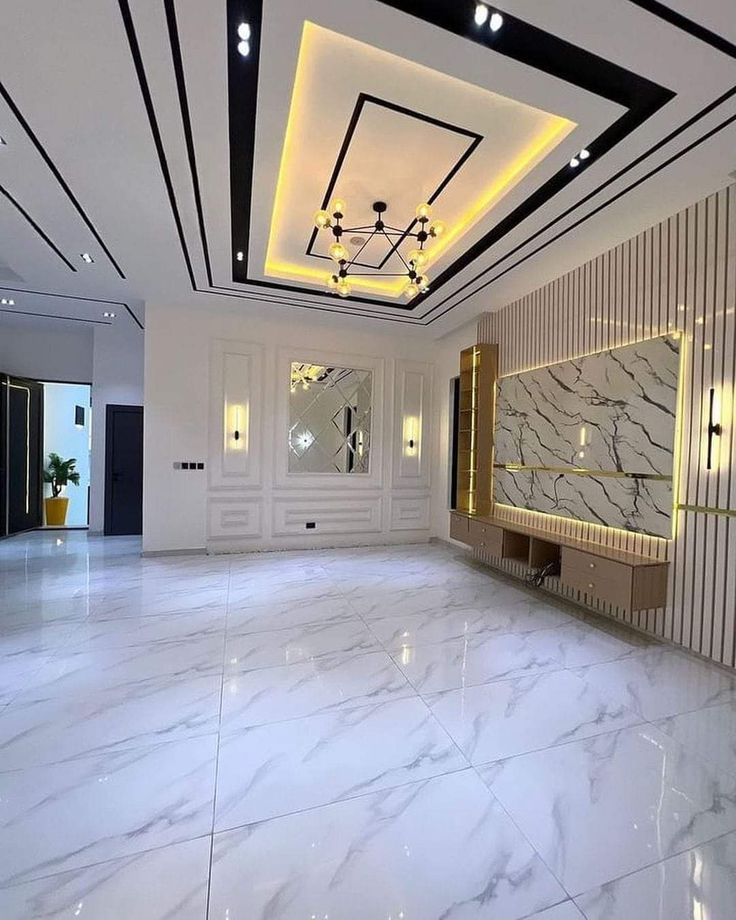
Gypsum ceilings are popular in modern Kenyan homes because they allow designers to create different shapes, levels and lighting arrangements. They can also complement various interior styles, from simple contemporary spaces to more decorative luxury interiors.
Popular Gypsum Ceiling Designs
Gypsum boards support several ceiling designs, including:
- Flat gypsum ceilings: These provide a clean, simple finish that suits bedrooms, offices and living spaces.
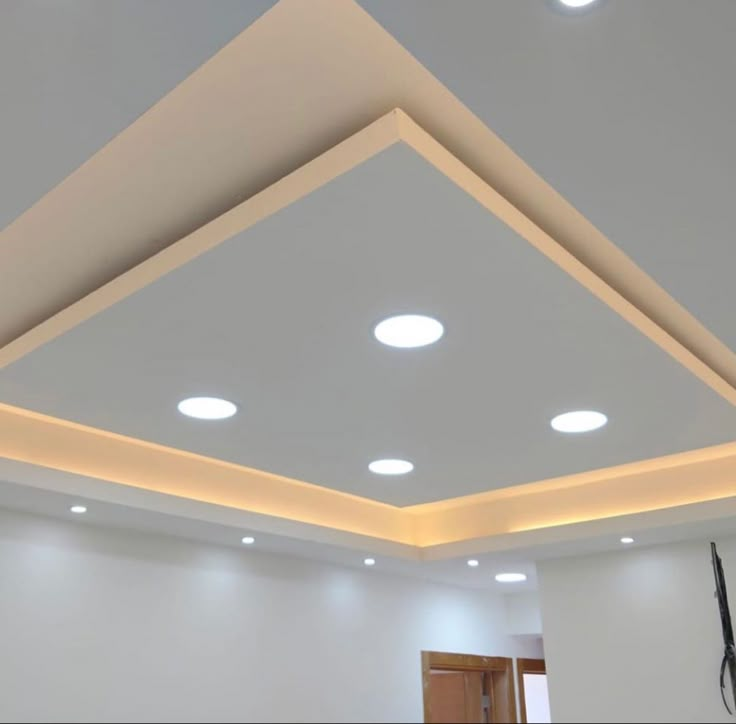
- Tray ceilings: A recessed central section creates visual depth and can accommodate decorative lighting.
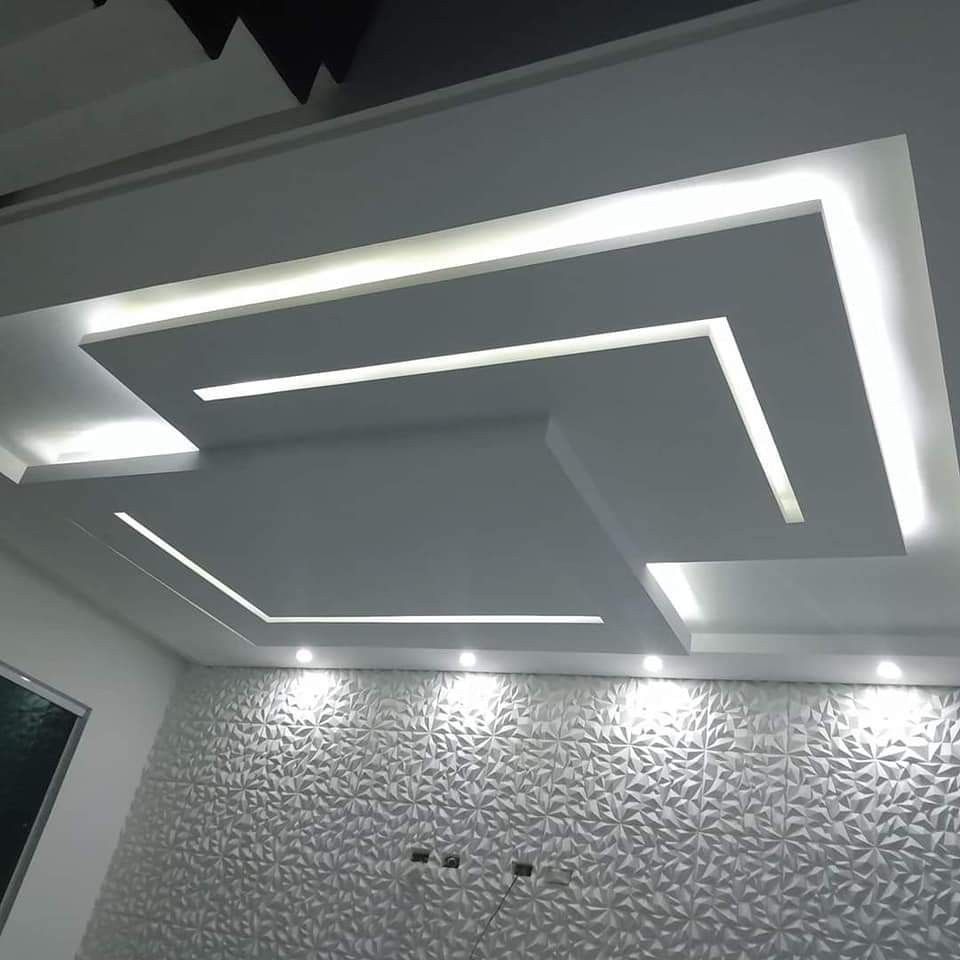
- Stepped ceilings: Multiple ceiling levels introduce dimension and help define different areas.
- Coffered ceilings: Repeated recessed sections create a structured and formal appearance.
- Floating ceilings: Selected sections appear suspended, often with concealed LED lighting around the edges.
- Cove ceilings: Recessed edges create space for indirect lighting.
- Bulkhead ceilings: Dropped sections can conceal selected services or create visual divisions.
- Curved gypsum ceilings: Curved details introduce softer shapes and distinctive design features.
These options make gypsum particularly suitable for homeowners who want more than a plain ceiling.
Benefits of Gypsum Ceilings
1. Smooth and elegant appearance
Gypsum creates a continuous surface with fewer visible joints than most panel-based ceiling systems. As a result, it gives living rooms, bedrooms and offices a refined appearance.
2. Greater design flexibility
You can choose flat, stepped, tray, coffered or curved designs. In addition, gypsum allows designers to create customised ceiling features that complement furniture, wall finishes and the overall room layout.
3. Excellent lighting integration
Gypsum ceilings can accommodate recessed downlights, concealed LED strips and selected decorative lighting arrangements. However, installers should plan the lighting layout and electrical requirements before installation.
4. Paintable surface
You can paint gypsum to match your preferred interior colours. Furthermore, you can change the paint finish during future renovations without replacing the entire ceiling.
5. Suitable for residential and commercial interiors
Gypsum works well in living rooms, bedrooms, reception areas, boardrooms and offices. Its smooth finish also complements modern partitions, flooring and wall finishes.
6. Different board specifications
Gypsum boards are available in different specifications for particular applications. For example, manufacturers produce moisture-resistant and fire-rated products for projects that require those properties. However, always confirm the product specification and the performance of the complete installed ceiling system.
Disadvantages of Gypsum Ceilings
Despite its benefits, gypsum has some limitations.
- Standard gypsum boards are not waterproof.
- Persistent moisture and water leaks can damage the boards.
- Installation requires skilled labour and proper finishing.
- Decorative designs with several levels can increase the project cost.
- Damaged sections may require patching, joint treatment and repainting.
- Poor workmanship or inadequate support can cause cracks, uneven joints and sagging.
For this reason, repair roof leaks and plumbing problems before installing gypsum. Also, select a suitable board specification for the room’s conditions.
What Is a PVC Ceiling?
A PVC ceiling consists of lightweight panels manufactured from polyvinyl chloride. Installers attach the panels to a supporting framework and connect them using interlocking edges or joining systems.
Unlike gypsum, PVC does not normally require joint skimming, sanding and painting. Instead, the manufactured surface provides the finished appearance.
PVC ceiling panels are available in different colours, patterns and textures. Some have plain white finishes, while others feature glossy surfaces, decorative patterns or wood-effect designs.
Popular PVC Ceiling Designs
Common PVC ceiling options include:
- Plain white PVC panels: These create a simple finish for kitchens, bathrooms and utility spaces.
- Wood-effect PVC ceilings: These imitate timber finishes and can complement selected contemporary interiors.
- Glossy PVC ceilings: Reflective surfaces create a brighter decorative appearance.
- Textured PVC panels: These feature patterns and surface details.
- Decorative PVC ceilings: Different colours and patterns provide additional design choices.
- Strip-style PVC ceilings: Long panels create a consistent linear appearance across the ceiling.
Although PVC offers several decorative options, it does not provide the same flexibility as gypsum when creating complex ceiling shapes.
Benefits of PVC Ceilings
1. Good moisture resistance
PVC panels resist moisture better than standard gypsum boards. Therefore, they are useful in selected bathrooms, laundry rooms and other areas where humidity is a concern.
However, PVC does not solve roof leaks, plumbing problems or poor ventilation. You should address these issues before installing a new ceiling.
2. Easy cleaning
You can generally clean PVC panels using a soft cloth and a suitable mild cleaning solution. This makes them practical in areas where dust, splashes and regular cleaning are common.
3. Relatively quick installation
PVC panels use a modular installation system. Consequently, installation can take less time than a gypsum ceiling that requires joint treatment, skimming, drying and painting.
4. Lower routine maintenance
PVC does not normally need repainting. In addition, installers may replace individual damaged panels without refinishing the entire ceiling, depending on the panel arrangement and access.
5. Variety of decorative finishes
PVC panels come in different colours, textures and patterns. Therefore, property owners can select finishes that complement their walls, floors and other interior features.
6. Lightweight construction
PVC panels are relatively lightweight, making them easier to handle during installation. Nevertheless, the installer must use a suitable supporting framework and follow the manufacturer’s fixing requirements.
Disadvantages of PVC Ceilings
PVC ceilings also have limitations that you should consider before installation.
- Panel joints may remain visible after installation.
- PVC does not provide the same seamless appearance as a properly finished gypsum ceiling.
- Most PVC panels are not designed for routine repainting.
- Low-quality panels may crack, discolour or deform under unsuitable conditions.
- Some products may not suit direct sunlight or high-temperature environments.
- Lighting and decorative design options can be more limited.
- The performance of the ceiling depends on panel quality and installation workmanship.
PVC is also a plastic material. Therefore, do not assume that every PVC panel offers the same fire performance. Check the manufacturer’s product documentation and confirm that the proposed system suits the building’s requirements.
Gypsum Ceiling vs PVC Ceiling Prices in Kenya
Cost is one of the main considerations when choosing between gypsum and PVC ceilings. Generally, a basic PVC ceiling can be more affordable than a decorative gypsum ceiling. However, the final cost depends on the materials, ceiling design, installation requirements and project location.
The following figures provide indicative supply-and-installation budgeting estimates in Kenya. They are not fixed market rates or formal quotations.
Estimated Ceiling Installation Costs per Square Metre
| Ceiling type | Indicative cost per m² |
|---|---|
| Basic PVC ceiling | KES 1,200–2,000 |
| Plain gypsum ceiling | KES 1,800–2,800 |
| Designed gypsum ceiling | KES 3,000–5,500+ |
The actual quotation may differ depending on the board or panel specification, supporting framework, labour, finishing materials and site conditions.
For example, a gypsum ceiling with concealed LED lighting may require additional electrical work, lighting components and decorative detailing. Similarly, a PVC ceiling may need extra trims, accessories or a suitable supporting framework.
Example: Cost of Installing a 20m² Ceiling
Suppose you want to install a ceiling in a room measuring 20 square metres. The following table illustrates how the estimated costs may compare.
| Ceiling option | Estimated rate | Estimated total |
|---|---|---|
| Basic PVC | KES 1,200–2,000/m² | KES 24,000–40,000 |
| Plain gypsum | KES 1,800–2,800/m² | KES 36,000–56,000 |
| Designed gypsum | KES 3,000–5,500/m² | KES 60,000–110,000 |
These examples use the indicative rates above. They do not represent a formal quotation. Additional work, such as removing an existing ceiling, changing electrical points or installing decorative lighting, may increase the final cost.
Factors That Affect Gypsum and PVC Ceiling Prices
1. Ceiling size
Most contractors calculate ceiling costs according to the measured area. Larger projects may benefit from economies of scale, although the final rate still depends on the material and design.
2. Material quality
Gypsum boards and PVC panels come in different specifications. Their thickness, finish, brand and intended application can influence the purchase price.
3. Design complexity
A plain ceiling usually requires less labour than a multi-level design. For example, gypsum ceilings with curves, coves, bulkheads and concealed lighting require additional detailing.
4. Supporting framework
Both ceiling systems need suitable support. The framework material, spacing, fixing method and condition of the existing structure can affect the total installation cost.
5. Lighting requirements
Recessed lights, LED strips, pendant lights and other fittings may require additional planning and electrical work. Therefore, include lighting requirements in the quotation before installation begins.
6. Site accessibility
High ceilings, difficult access, occupied premises and complex room layouts may increase installation time and labour costs.
7. Location and transport
Material availability, delivery distance and labour rates can vary between Nairobi, Mombasa, Kisumu, Nakuru, Eldoret and other parts of Kenya.
How to Compare Ceiling Installation Quotations
Do not compare contractors using the final price alone. Instead, request an itemised quotation that identifies:
- Type and specification of gypsum boards or PVC panels.
- Supporting framework and fixing materials.
- Labour and installation charges.
- Joint treatment, skimming and painting for gypsum.
- Trims and edge finishing for PVC.
- Electrical work and lighting, where applicable.
- Transport and removal of existing materials, where required.
- Any applicable taxes and additional charges.
This approach helps you understand what each contractor includes and reduces the risk of unexpected expenses.
Gypsum Ceiling vs PVC Ceiling: Which Is More Durable?
Both materials can provide reliable service when installers use suitable products and follow the correct installation methods. However, their performance depends on the room conditions.
Gypsum is suitable for dry interior spaces where you want a smooth, paintable finish. However, persistent moisture and water leaks can stain, weaken or damage standard gypsum boards.
PVC offers better moisture resistance and generally requires less surface maintenance. Nevertheless, low-quality panels, poor support and unsuitable exposure to heat or direct sunlight can affect their appearance and performance.
Consider these factors before making your decision:
- Choose gypsum where a smooth finish and customised design matter most.
- Choose PVC where moisture resistance and easy cleaning are priorities.
- Confirm the product specification for the intended environment.
- Repair leaks and ventilation problems before installing either material.
- Inspect the supporting framework and fixing details during installation.
- Ask for product documentation and warranty information.
For additional guidance, consult the Gypsum Association’s installation and finishing resources. These technical publications explain important considerations for handling, supporting, installing and finishing gypsum panels.
Rather than relying on general lifespan claims, request information about the specific materials being supplied and installed.
Which Ceiling Is Better for Different Rooms?
The best ceiling material can change from one room to another. Therefore, you do not necessarily need to use gypsum or PVC throughout an entire property.
1. Living Rooms
Gypsum is usually a strong choice for living rooms because it supports smooth finishes, decorative designs and concealed lighting.
For example, a tray ceiling with warm LED lighting can create a focal point without making the room look overcrowded. A simple flat gypsum ceiling can also work well in smaller living rooms.
PVC may suit a living room where the budget is limited and the owner prefers a panel-based finish.
Recommended option: Gypsum for customised and formal living room interiors.
2. Bedrooms
Gypsum works well in bedrooms because it allows flat ceilings, recessed lighting, perimeter details and subtle decorative features.
A simple design can create a neat finish without making a small bedroom feel crowded. On the other hand, PVC can be considered where affordability and easy maintenance are the main priorities.
Recommended option: Gypsum for design flexibility; PVC for a simple, budget-conscious finish.
3. Kitchens
Kitchen ceilings may experience steam, humidity and cooking-related residue. Therefore, moisture resistance, ventilation and cleaning requirements matter.
PVC can be practical in areas with higher moisture exposure. However, ensure that the selected product suits the kitchen environment.
Gypsum may also work in a properly ventilated kitchen when installers use an appropriate board system and protect it from persistent moisture.
Recommended option: PVC in moisture-prone kitchen areas, with suitable gypsum systems considered for drier, well-ventilated spaces.
4. Bathrooms
Bathrooms experience regular moisture exposure, particularly around showers and other wet areas.
PVC panels are generally more suitable than standard gypsum boards because they resist moisture and are easy to wipe clean.
However, proper ventilation remains important. Also, address plumbing leaks and waterproofing problems instead of relying on the ceiling material to solve moisture issues.
Recommended option: PVC, provided the product and supporting system are suitable for the bathroom environment.
5. Offices
Gypsum is often preferred in offices because it creates a professional finish and allows designers to coordinate lighting, partitions and ceiling details.
It works well in reception areas, boardrooms, executive offices and open-plan workspaces.
PVC may be suitable for selected utility areas where easy cleaning and moisture resistance matter more than a seamless decorative finish.
Recommended option: Gypsum for most formal office interiors.
6. Laundry and Utility Rooms
Laundry and utility rooms may experience humidity and occasional splashes. PVC can provide a practical, easy-to-clean surface in these areas.
Recommended option: PVC.
7. Verandas and Covered Outdoor Areas
PVC may suit selected covered outdoor applications. However, not every panel is designed for direct sunlight or outdoor exposure.
Before installation, check whether the manufacturer specifies UV resistance and suitability for the intended environment. Also, ensure that the supporting framework and fixings can withstand the conditions.
Recommended option: PVC panels specifically approved for the intended covered outdoor application.
Gypsum vs PVC Ceilings in Coastal Kenya
Coastal locations such as Mombasa, Kilifi, Malindi, Diani and Watamu experience humid conditions that can influence interior finishing materials.
In these environments, moisture resistance deserves particular attention. PVC can be a practical option in areas exposed to humidity because the panels do not absorb water like standard gypsum boards.
However, gypsum remains suitable for dry, properly ventilated interior spaces when installers use appropriate board specifications and installation details.
For coastal projects, consider:
- Moisture exposure in each room.
- Ventilation and condensation control.
- Suitable supporting components and fixings.
- The manufacturer’s recommended installation conditions.
- Panel specifications for any outdoor exposure.
- Regular inspection for roof leaks and plumbing problems.
The same principle applies in other parts of Kenya. Select the material according to the actual conditions in each room rather than assuming one ceiling type will work everywhere.
Can You Combine Gypsum and PVC Ceilings?
Yes. Combining gypsum and PVC ceilings can help you balance appearance, cost and practical performance.
Instead of choosing one material for the entire building, select the ceiling that best suits each room.
| Area | Suggested ceiling | Main reason |
|---|---|---|
| Living room | Gypsum | Smooth finish and decorative options |
| Dining area | Gypsum | Lighting and design flexibility |
| Bedrooms | Gypsum | Paintable and adaptable finish |
| Bathroom | PVC | Moisture resistance |
| Laundry room | PVC | Easy cleaning |
| Kitchen | PVC or suitable gypsum system | Depends on ventilation and moisture |
| Office reception | Gypsum | Professional appearance |
| Office boardroom | Gypsum | Lighting and design coordination |
| Utility room | PVC | Practical maintenance |
This approach avoids paying for decorative gypsum in spaces where moisture resistance is the main requirement. At the same time, it allows you to use gypsum in areas where appearance and design flexibility matter more.
What Should You Check Before Installing a Gypsum or PVC Ceiling?
Before choosing a contractor, review the following considerations.
1. Confirm the Material Specification
Ask which gypsum board or PVC panel the contractor intends to use. A quotation that simply states ceiling installation may not provide enough information.
Confirm the product type, thickness, finish and suitability for the room.
2. Inspect the Supporting Framework
The supporting structure must suit the selected ceiling system. Ask the contractor to explain the framework material, fixing method and support arrangement.
Proper support helps prevent uneven surfaces and installation problems.
3. Check the Lighting Plan
For gypsum ceilings, plan recessed lights, LED strips and other fittings before installation begins. This reduces the risk of altering a completed ceiling.
For PVC, confirm that the selected panels and fittings can accommodate the proposed lighting arrangement.
4. Confirm What the Quotation Includes
A complete quotation should clearly state whether it covers ceiling boards or PVC panels, supporting framework, screws, accessories, joint treatment, trims, painting, electrical work, transport and installation labour.
Where any work is excluded, ask the contractor to identify it before approving the quotation.
5. Ask About Maintenance and Warranty
Find out how to clean the finished ceiling, how repairs work and whether the supplier provides a product or installation warranty.
Also, ask how the contractor handles damaged panels, cracks, loose fittings or other installation-related concerns.
6. Request Examples of Completed Work
Review previous installations that use the same material and design you intend to select. This helps you assess the contractor’s workmanship and understand what the finished ceiling may look like.
Common Mistakes to Avoid When Choosing Ceiling Materials
Choosing a ceiling material based only on the lowest quotation can lead to unnecessary maintenance and additional costs later.
Avoid these common mistakes:
- Installing standard gypsum in persistently damp spaces.
- Choosing low-quality PVC panels without checking their specifications.
- Ignoring the supporting framework.
- Failing to plan lighting before installation.
- Covering roof leaks or plumbing problems without repairing them.
- Using PVC products in direct sunlight without confirming their suitability.
- Comparing quotations that include different materials and finishing work.
- Selecting a decorative ceiling design that does not suit the room’s height or size.
- Ignoring the building’s fire-safety requirements when selecting ceiling materials.
A professional site assessment can help identify these issues before installation begins.
Why Choose Interior Finishes Kenya for Ceiling Installation?
Choosing the right ceiling material is only one part of creating a well-finished interior. Proper measurements, material selection, framework installation and finishing also influence the final result.
At Interior Finishes Kenya, we support residential and commercial interior finishing projects with solutions designed around the property, room requirements and preferred appearance.
Our interior finishing services can help you coordinate ceiling work with other elements, including flooring, wall finishes, lighting and interior fit-outs.
Whether you prefer a smooth gypsum ceiling for your living room or a practical PVC finish for a moisture-prone area, we can help assess your requirements and recommend a suitable approach.
Request a Gypsum or PVC Ceiling Installation Quote
Planning a new ceiling or upgrading an existing one? Contact Interior Finishes Kenya to discuss your project.
Phone/WhatsApp: 0717 044 443 / 0739 255 050
Email: info@interiorfinishes.co.ke
Website: https://interiorfinishes.co.ke/
Contact page: https://interiorfinishes.co.ke/contact/
Share your property location, approximate ceiling measurements, preferred material and design ideas. Our team can help you establish the next steps and request an appropriate quotation.
Areas We Serve Across Kenya
Interior Finishes Kenya supports interior finishing projects across Kenya, subject to project assessment and service availability. Our coverage includes Nairobi, Mombasa, Kisumu, Nakuru, Eldoret, Thika, Kiambu, Machakos, Meru, Nyeri, Nanyuki, Naivasha, Kericho, Kakamega, Bungoma, Busia, Kisii, Migori, Homa Bay, Siaya, Kitale, Lodwar, Garissa, Wajir, Mandera, Isiolo, Marsabit, Embu, Murang’a, Kirinyaga, Nyandarua, Laikipia, Baringo, Uasin Gishu, Elgeyo-Marakwet, Nandi, Trans Nzoia, West Pokot, Samburu, Turkana, Tana River, Lamu, Kilifi, Kwale, Taita-Taveta, Kajiado, Narok, Makueni, Kitui and Vihiga.
In Nairobi, our service areas include Westlands, Kilimani, Upper Hill, Karen, Lavington, Parklands, Runda, Gigiri, Industrial Area, Riverside, Ngong Road, Nairobi CBD and surrounding neighbourhoods. In Mombasa, coverage includes Nyali, Bamburi, Mtwapa, Tudor, Kizingo, Likoni and surrounding areas.
Frequently Asked Questions About Gypsum Ceiling vs PVC Ceiling in Kenya
1. Which is cheaper, gypsum or PVC ceiling in Kenya?
PVC ceilings are generally more affordable than decorative gypsum ceilings. Indicative budgeting estimates place basic PVC at approximately KES 1,200–2,000 per square metre, plain gypsum at KES 1,800–2,800 per square metre and designed gypsum at KES 3,000–5,500 or more per square metre. Actual costs depend on materials, design, labour and location.
2. Which ceiling is better for a living room?
Gypsum is usually preferred for living rooms because it provides a smooth finish and supports customised designs, recessed lighting and concealed LED strips. PVC can still work where affordability and easy maintenance are the main considerations.
3. Is PVC ceiling better than gypsum for bathrooms?
PVC is generally more suitable for bathrooms because it offers better moisture resistance and is easy to clean. However, proper ventilation, waterproofing and plumbing maintenance remain important.
4. Can gypsum ceilings get damaged by water?
Yes. Standard gypsum boards can absorb moisture, develop stains and weaken after prolonged exposure to water. Repair leaks promptly and use an appropriate board system for the intended application.
5. Can PVC ceilings be painted?
Most decorative PVC ceiling panels are not designed for routine repainting. Their colour and finish come from the manufactured surface. Always check the manufacturer’s instructions before applying any coating.
6. Which ceiling is easier to maintain?
PVC generally requires less routine maintenance because you can wipe its surface clean without repainting. Gypsum may need occasional repainting, crack repairs or refinishing, depending on its condition.
7. Can PVC ceilings be used in offices?
Yes. PVC can be used in selected office utility areas where moisture resistance and easy cleaning are priorities. However, gypsum may be more suitable for formal office interiors that require a seamless finish and integrated lighting.
8. Can I use gypsum and PVC in the same building?
Yes. You can use gypsum in living rooms, bedrooms, reception areas and offices, then install PVC in bathrooms, laundry rooms and other moisture-prone spaces. This allows you to match the ceiling material to the conditions in each room.
9. How long does gypsum ceiling installation take?
Installation time depends on the ceiling area, design complexity, site conditions and finishing requirements. A plain ceiling usually takes less time than a multi-level design that requires joint treatment, skimming, drying and painting.
10. How long does PVC ceiling installation take?
PVC installation is generally quicker than a fully finished gypsum ceiling because the panels do not require the same jointing and painting process. However, the actual duration depends on the room size, framework and installation conditions.
11. Which ceiling is suitable for coastal areas in Kenya?
PVC is generally a practical option for humid and moisture-prone areas. Gypsum can still work in dry, properly ventilated spaces when installers use suitable board specifications and installation details.
12. Which ceiling is best for rental houses in Kenya?
The best option depends on the room and the rental property’s maintenance needs. PVC can be practical in kitchens, bathrooms and utility areas because it is moisture-resistant and easy to clean. Gypsum may suit living rooms and bedrooms where a smooth, paintable finish is preferred.
13. Does a gypsum ceiling support LED lighting?
Yes. Gypsum ceilings can accommodate recessed downlights, LED strips and selected concealed lighting designs. However, installers should plan the electrical layout, access and fitting support before closing the ceiling.
14. How do I choose between gypsum and PVC ceilings?
Consider your budget, room conditions, preferred appearance, lighting requirements and maintenance expectations. Gypsum is suitable where design flexibility and a smooth finish matter most, while PVC is useful where moisture resistance and easy cleaning are priorities.
Final Thoughts: Should You Choose Gypsum or PVC Ceiling?
Both gypsum and PVC ceilings can improve the appearance and functionality of a property. However, the right choice depends on how you intend to use each room.
Choose gypsum if you want a smooth, paintable finish, customised ceiling designs and flexible lighting options. Choose PVC if you prioritise moisture resistance, easy cleaning and relatively low routine maintenance.
You can also combine both materials to achieve a practical balance across your property. For example, install gypsum in living rooms and bedrooms, then use suitable PVC panels in bathrooms and laundry areas.
Before making your final decision, compare material specifications, installation costs and maintenance requirements. For professional guidance and a quotation, contact Interior Finishes Kenya through 0717 044 443 / 0739 255 050 or info@interiorfinishes.co.ke.