Interior Finishing Contractors in Kenya: Professional Services for Homes and Commercial Spaces
Finding reliable interior finishing contractors in Kenya is an important step when completing a new building, renovating an existing property or transforming a commercial space. Professional interior finishing determines how your property looks, feels and functions. From flooring and gypsum ceilings to wall finishes, kitchen installations, painting and decorative features, every detail contributes to the final appearance of your space.
Whether you are completing a newly constructed house, upgrading an apartment, renovating an office or fitting out a commercial property, choosing experienced contractors helps you achieve quality workmanship and a consistent finish. At Interior Finishes Kenya, we provide professional interior design, finishing and installation solutions for residential and commercial properties across Kenya.
Our approach combines proper planning, material selection, skilled installation and project coordination to transform unfinished spaces into comfortable, functional and attractive environments.
Estimated Interior Finishing Costs in Kenya
Interior finishing costs depend on the size of the property, material specifications, design complexity, site conditions and installation requirements. The following figures provide an indicative starting point for budgeting.
| Interior finishing service | Estimated cost |
|---|---|
| Basic gypsum ceiling installation | KES 800–1,200 per m² |
| Standard gypsum ceiling installation | KES 1,200–2,500 per m² |
| Premium gypsum ceiling installation | KES 2,500–5,000 per m² |
| Ceramic floor tiles | KES 800–2,200 per m² |
| Porcelain floor tiles | KES 1,500–3,500 per m² |
| SPC flooring | KES 1,800–4,500 per m² |
| Standard fluted wall panels | KES 3,000–6,500 per m² |
| Premium fluted wall panels | KES 6,500–16,000 per m² |
| Basic kitchen cabinetry | KES 8,000–15,000 per linear metre |
| Standard kitchen cabinetry | KES 15,000–38,000 per linear metre |
These are indicative material and project-budgeting figures, not fixed quotations. Actual costs may change depending on whether prices cover materials, labour, preparation, transportation and installation. Always request a detailed quotation before starting work.
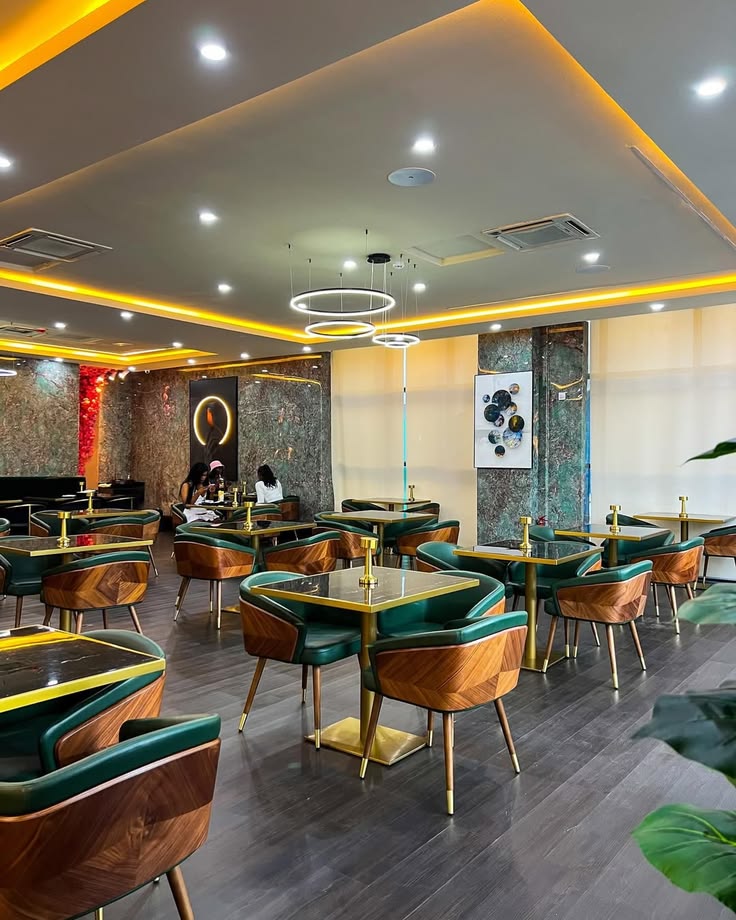
What Does Interior Finishing Involve?
Interior finishing refers to the final construction and installation activities that make an interior space ready for occupation and everyday use.
After the main structural construction is complete, contractors work on the floors, walls, ceilings, doors, windows, lighting, cabinetry and other interior components.
The process goes beyond decoration. It also involves selecting suitable materials, preparing surfaces, coordinating installations and ensuring that different finishing elements work together.
For example, completing a residential property may involve installing floor tiles, fitting gypsum ceilings, painting walls, mounting kitchen cabinets, installing wardrobes and completing bathroom fittings.
A commercial project may require additional work such as office partitions, acoustic treatments, reception desks, commercial flooring, branding and lighting installations.
Working with experienced interior finishing contractors helps coordinate these activities and maintain consistency throughout the project.
Interior Finishing Services in Kenya
Professional contractors provide different services depending on the type of property, project requirements and available budget.
1. Gypsum Ceiling Installation
Gypsum ceilings are popular in Kenyan homes, offices, hotels and commercial buildings because they create a clean, modern appearance.
Contractors install different ceiling designs depending on the architecture and interior requirements.
Common gypsum ceiling designs include:
- Flat gypsum ceilings for simple, modern interiors.
- Suspended gypsum ceilings for concealing electrical installations and other services.
- Tray ceilings for creating recessed ceiling sections.
- Coffered ceilings for adding architectural detail.
- Bulkhead ceilings for defining different areas.
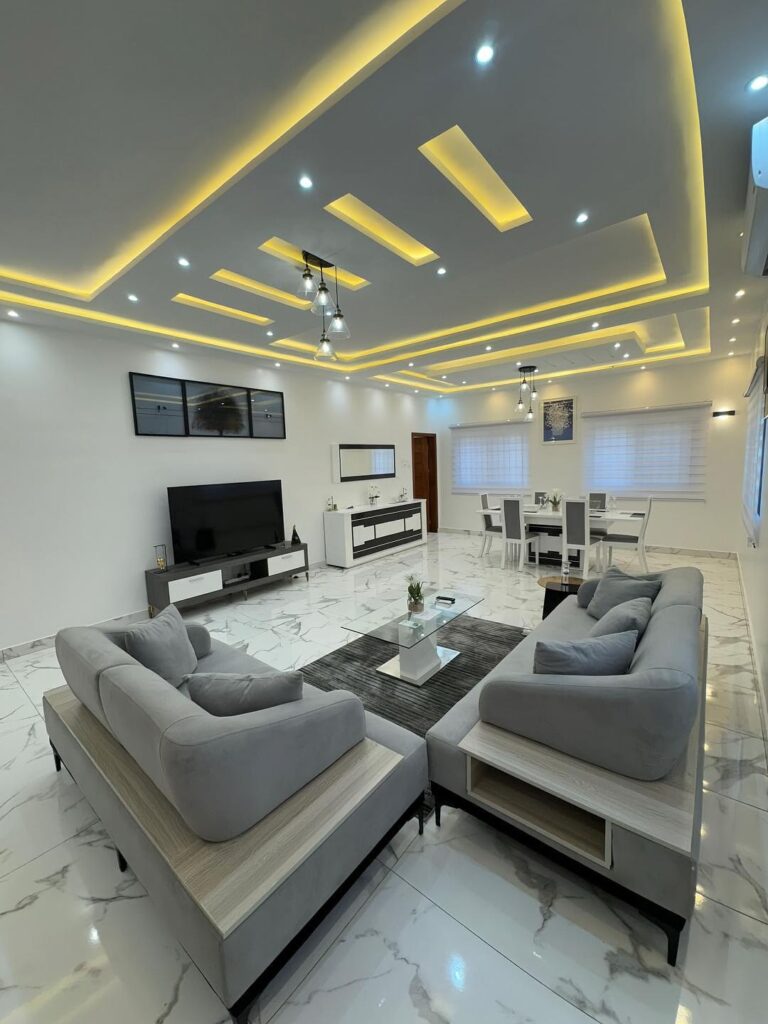
- Cove ceilings for concealed LED lighting.
Professional installation involves framing, gypsum board fixing, joint treatment, skimming, sanding and painting.
The contractor should also coordinate lighting positions, access panels and electrical requirements before closing the ceiling.
2. Floor Installation and Finishing
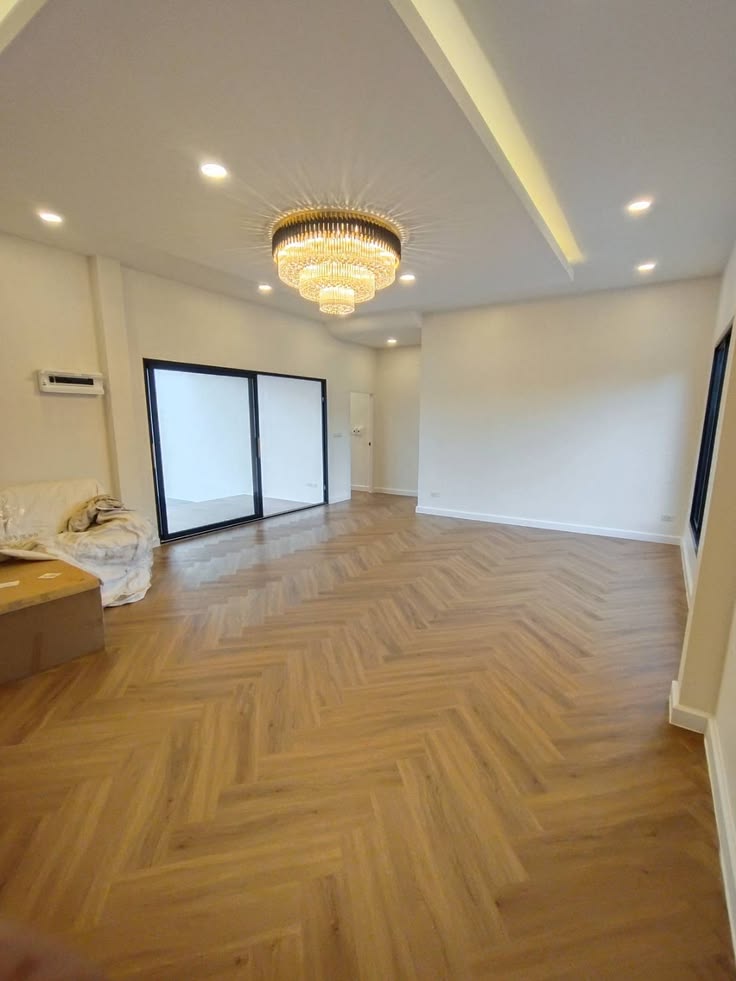
Flooring has a major influence on the appearance, comfort and durability of an interior space.
Different flooring materials suit different rooms and applications. A contractor should consider moisture exposure, foot traffic, maintenance and the existing subfloor before recommending a particular finish.
Popular flooring options in Kenya include:
Ceramic and porcelain tiles: These are suitable for living rooms, kitchens, bathrooms, corridors and commercial spaces. Porcelain tiles offer a durable option for areas with regular foot traffic.
SPC flooring: Stone Plastic Composite flooring provides a practical alternative to traditional flooring materials. It is popular in residential and commercial interiors because of its water-resistant construction and relatively easy maintenance.
Vinyl flooring: Vinyl flooring is available in different colours, textures and patterns. It works well in residential spaces, offices and selected commercial environments.
Laminate flooring: Laminate provides a wood-inspired appearance and suits bedrooms, living areas and offices where the specified product is appropriate for the conditions.
Carpet and carpet tiles: These provide comfort and help improve the acoustic environment in offices, hotels and selected residential spaces.
Professional floor installation includes subfloor inspection, levelling, material preparation, accurate measurements, adhesive application where required and proper finishing around edges and transitions.
Explore our flooring solutions and commercial floor installation services.
3. Wall Finishes and Decorative Wall Panels
Walls provide an opportunity to introduce colour, texture and character into an interior.
Professional interior finishing contractors install different wall treatments depending on the design concept and the purpose of the room.
Popular wall finishing options include:
- Decorative wall panels.
- Fluted MDF and WPC panels.
- Timber wall cladding.
- Wallpaper installation.
- Wall murals.
- Stone and decorative cladding.
- Wainscoting.
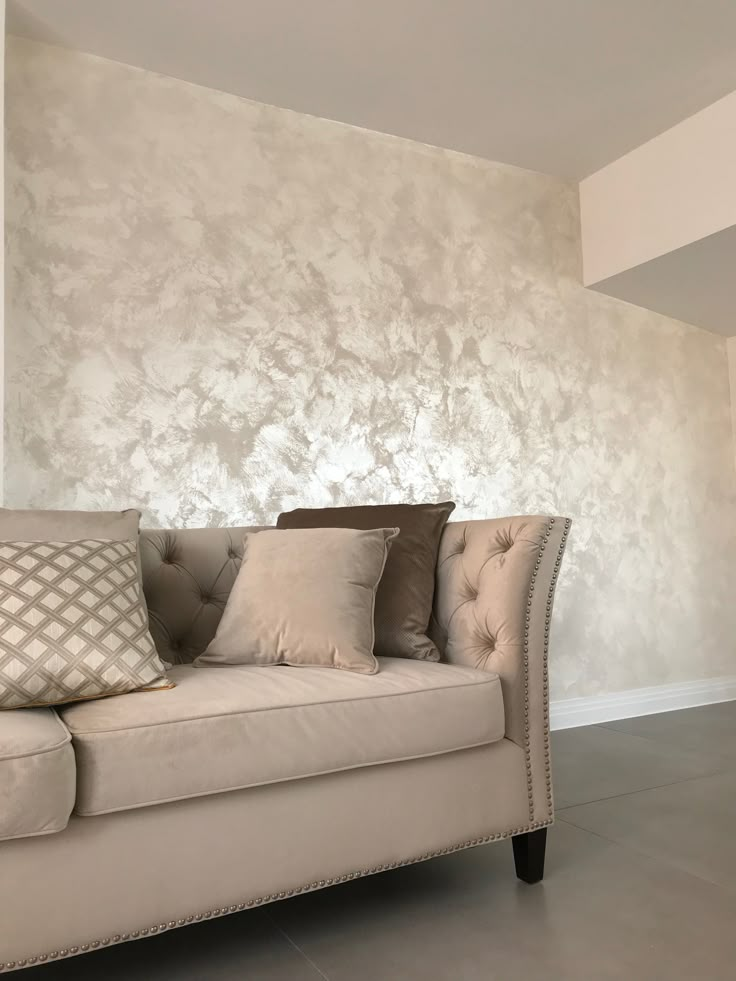
- Textured paint finishes.
- Feature walls and TV wall installations.
Fluted panels are particularly popular in modern living rooms, reception areas and bedrooms. They create a textured appearance and can complement lighting, floating shelves and custom furniture.
Before installing decorative panels, contractors should inspect the wall surface, check its condition and plan the positioning of electrical fittings and other accessories.
4. Interior and Exterior Painting
Painting is one of the most important finishing activities in residential and commercial construction.
A properly painted space looks cleaner, brighter and more complete. However, achieving a quality result requires more than applying paint to a wall.
Professional painting contractors begin by preparing the surface. This may involve filling cracks, repairing damaged plaster, sanding uneven areas and applying suitable primers.
Common painting services include:
- Interior wall painting.
- Exterior building painting.
- Decorative painting.
- Textured wall finishes.
- Wood and metal painting.
- Protective coatings.
- Repainting and renovation works.
The choice of paint should depend on the surface, location, exposure to moisture and expected maintenance requirements.
For example, kitchens and bathrooms require finishes suitable for their moisture conditions, while exterior walls need products designed for outdoor exposure.
5. Aluminium and Glass Partition Installation
Partitions help divide interior spaces without necessarily requiring permanent masonry walls.
They are widely used in offices, commercial buildings, hospitals, retail spaces and modern residential properties.
Common partition systems include:
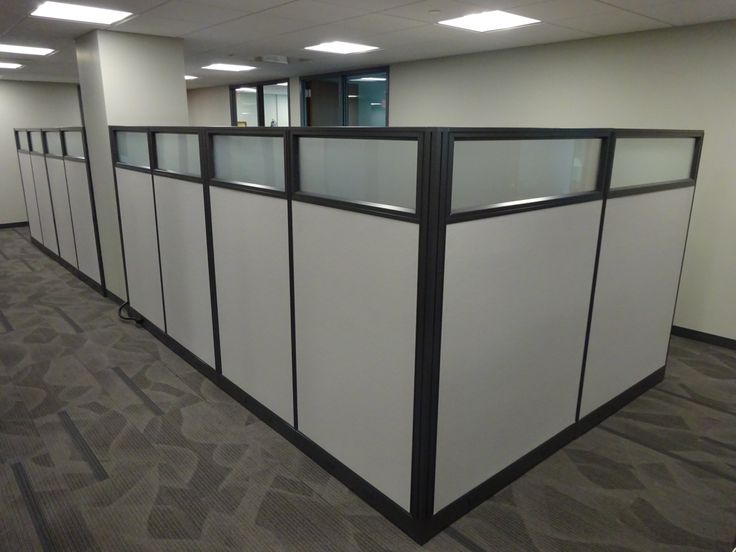
Aluminium partitions: These use aluminium framing to create structured divisions in offices and commercial premises.
Glass partitions: Glass systems allow natural light to pass through while maintaining visual openness.
Gypsum partitions: These provide more privacy and can accommodate insulation, electrical installations and different wall finishes.
Timber partitions: These introduce warmth and decorative character into selected interior spaces.
Contractors should consider the required privacy, acoustic performance, structural support, door arrangements and existing services before installing partitions.
For additional information, explore office partitioning solutions and aluminium installation services.
6. Kitchen Cabinet Installation and Joinery
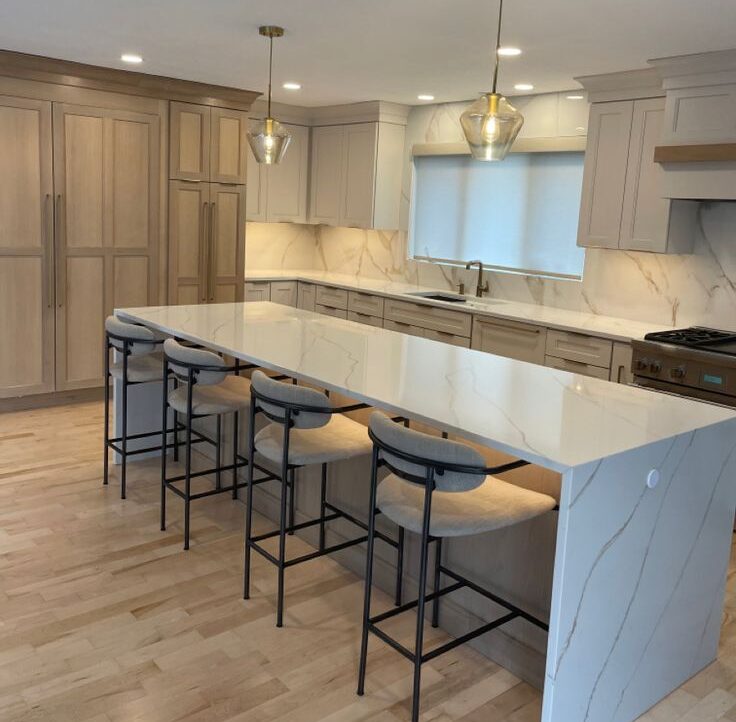
Kitchen finishing requires careful planning because the space combines storage, work surfaces, appliances, lighting and plumbing installations.
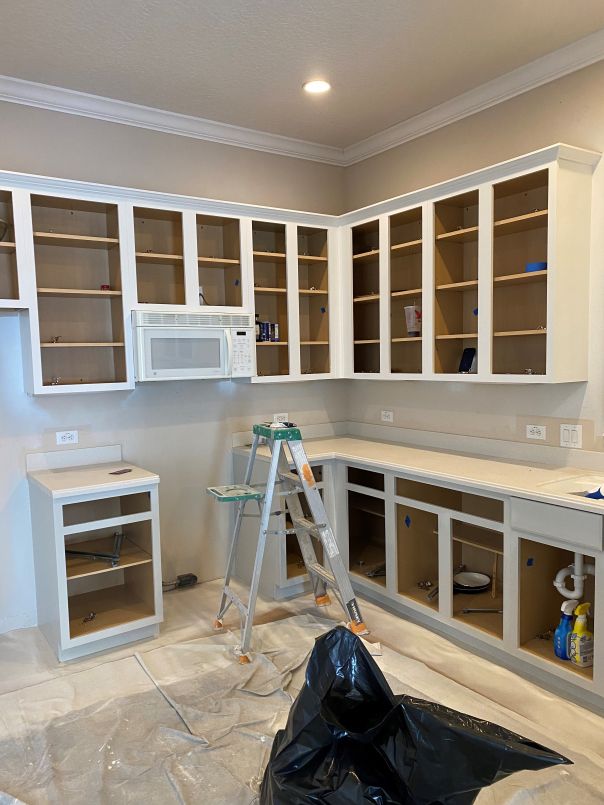
Professional contractors can design and install custom kitchen cabinets that make better use of available space.
Common kitchen finishing components include:
- Base and wall cabinets.
- Tall pantry units.
- Kitchen islands.
- Countertops.
- Drawer systems.
- Cabinet handles and hinges.
- Backsplash finishes.
- Integrated appliance spaces.
- Kitchen lighting.
Material options include MDF, plywood, laminates, acrylic finishes and selected timber products.
The choice depends on the kitchen layout, expected usage, maintenance requirements and available budget.
Accurate measurements are important because cabinets must accommodate appliances, plumbing connections, electrical outlets and available working space.
7. Wardrobe and Storage Installation
Built-in wardrobes help organise bedrooms while maintaining a coordinated interior appearance.
Contractors design wardrobes according to available wall dimensions, storage requirements and the preferred door system.
Popular wardrobe options include:
- Sliding-door wardrobes.
- Hinged-door wardrobes.
- Walk-in wardrobes.
- Floor-to-ceiling wardrobes.
- Custom bedroom storage units.
- Open shelving systems.
Internal fittings may include hanging rails, shoe racks, drawers, shelves and accessory compartments.
A well-planned wardrobe makes efficient use of available space and reduces unnecessary furniture clutter.
8. Bathroom Interior Finishing
Bathrooms require suitable materials and professional installation because they experience frequent exposure to water and moisture.
Bathroom finishing involves several coordinated activities, including:
- Waterproofing.
- Floor and wall tile installation.
- Shower enclosure installation.
- Vanity cabinet installation.
- Washbasin and sanitary ware fitting.
- Bathroom mirrors.
- Shower fittings and accessories.
- Lighting and ventilation coordination.
Waterproofing should receive particular attention before tiling begins. Poor preparation can result in moisture problems and expensive repairs.
Contractors should also ensure that floor gradients, drainage points and plumbing connections are properly coordinated.
9. Commercial Interior Finishing and Office Fit-Outs
Commercial properties require interior finishes that support daily business activities while creating a professional environment.
Unlike residential projects, commercial interiors often involve additional considerations such as customer movement, staff workflow, accessibility, maintenance and brand identity.
Commercial interior finishing services include:
- Office partition installation.
- Reception desk construction.
- Boardroom finishing.
- Commercial flooring.
- Gypsum and suspended ceilings.
- Wall panelling and branding.
- Lighting installation coordination.
- Custom cabinetry and storage.
- Retail shop finishing.
- Restaurant and hotel fit-outs.
A professional contractor coordinates these activities to minimise disruption and prepare the premises for occupation.
For larger commercial projects, explore commercial interior design services and interior design and fit-out solutions.
Residential and Commercial Properties We Serve
Interior finishing requirements differ depending on the type of property. Professional contractors should understand these differences before recommending materials and installation methods.
Residential Interior Finishing
Residential finishing focuses on comfort, functionality, storage, appearance and ease of maintenance.
We work with different residential property types, including:
- Apartments and flats.
- Bungalows.
- Maisonettes.
- Townhouses.
- Villas.
- Luxury homes.
- Rental properties.
- Residential developments.
For homeowners completing a new house, interior finishing can cover everything from floor and ceiling installation to kitchen cabinetry, bathroom fittings, wardrobes and decorative wall treatments.
For existing properties, renovation works may involve replacing old flooring, repainting walls, upgrading ceilings and modernising kitchens and bathrooms.
Commercial Interior Finishing
Commercial interior finishing focuses on creating functional spaces that reflect the identity and requirements of a business.
Our relevant project categories include:
- Corporate offices.
- Hotels and hospitality properties.
- Restaurants and cafés.
- Retail shops and showrooms.
- Healthcare facilities.
- Educational institutions.
- Corporate reception areas.
- Commercial developments.
Each project requires a suitable combination of finishes, materials, lighting and space planning.
How Much Do Interior Finishing Contractors Charge in Kenya?
The cost of hiring interior finishing contractors in Kenya depends on the scope of work rather than a single standard rate.
A contractor handling only floor installation will prepare a different quotation from one coordinating the entire interior finishing of a residential or commercial property.
Several factors influence the final project cost.
1. Size of the Property
Larger properties generally require more materials and installation labour.
For example, finishing a three-bedroom apartment will usually involve a different budget from completing a large maisonette or commercial office.
2. Choice of Materials
Material selection has a direct impact on the final quotation.
Standard ceramic tiles, premium porcelain tiles, natural timber and specialised flooring systems have different supply and installation requirements.
3. Design Complexity
Simple ceiling designs and straightforward wall finishes usually require less labour than detailed decorative installations.
Custom cabinetry, concealed lighting, feature walls and specialised partitions may also increase the project budget.
4. Site Preparation
Existing surfaces may require repairs, levelling, waterproofing, plastering or removal of old finishes before installation begins.
These activities should be included in the quotation where applicable.
5. Labour and Project Location
Labour requirements, transportation, material availability and site accessibility can influence the overall cost.
Projects outside major commercial centres may also require additional logistical planning.
6. Project Management
Projects involving several trades benefit from proper coordination, supervision and quality checks.
The quotation should clearly explain any project management or supervision charges.
How to Choose the Best Interior Finishing Contractors in Kenya
Choosing the right contractor can make a significant difference to the quality and overall cost of your project.
Before engaging an interior finishing company, consider the following factors.
1. Review Previous Projects
Ask to see completed residential and commercial projects.
Photographs and project portfolios can help you understand the contractor’s workmanship, finishing standards and experience with similar properties.
Where possible, request references from previous clients.
2. Confirm the Scope of Services
Some contractors specialise in individual activities such as painting, flooring or gypsum installation.
Others coordinate complete interior finishing projects.
Choose a contractor whose services match the requirements of your project.
3. Check Material Specifications
Do not evaluate quotations based on price alone.
Compare the actual materials being proposed, including their specifications, quality, suitability and expected maintenance requirements.
4. Request an Itemised Quotation
A professional quotation should explain the work involved and its associated costs.
Check whether it includes:
- Material supply.
- Installation labour.
- Surface preparation.
- Transportation.
- Project supervision.
- Finishing and cleaning.
- Exclusions and additional charges.
This makes it easier to compare different contractors fairly.
5. Understand the Project Timeline
Ask the contractor to provide an estimated programme showing the different activities and expected completion dates.
The programme should consider material procurement, installation, inspections and final handover.
6. Confirm Quality Control Procedures
Ask how the contractor checks workmanship during installation and handles defects or unfinished items.
A proper inspection process helps identify problems before the project is handed over.
7. Confirm Professional and Regulatory Requirements
For projects involving specialised construction, electrical, plumbing or structural activities, confirm that the relevant professionals and contractors have the appropriate qualifications and approvals.
This is particularly important for larger commercial projects.
Our Interior Finishing Process
A well-organised finishing project begins with understanding the client’s requirements and establishing a clear scope of work.
At Interior Finishes Kenya, our approach follows these stages:
Step 1: Consultation and Project Brief
We discuss the type of property, intended use, preferred design, available budget and expected completion period.
This helps establish the project’s main priorities.
Step 2: Site Assessment and Measurements
Our team evaluates the property to understand its current condition, dimensions, existing installations and finishing requirements.
Accurate measurements help reduce material wastage and installation errors.
Step 3: Design and Material Selection
We develop suitable design concepts and recommend finishing materials according to the client’s preferences and budget.
Where necessary, 3D visualisation helps clients understand how the proposed finishes will look before installation.
Step 4: Costing and Quotation
We prepare a quotation based on the agreed scope of work, material specifications and installation requirements.
The quotation provides a clearer understanding of the expected project investment.
Step 5: Installation and Project Coordination
Approved works proceed according to the project programme.
This may involve flooring, ceilings, partitions, painting, cabinetry, joinery, lighting coordination and other finishing activities.
Step 6: Quality Inspection and Snagging
We inspect completed works and identify items that require correction or additional attention.
This helps ensure that the finished space meets the agreed specifications.
Step 7: Final Handover
After the agreed work has been completed and inspected, we hand over the finished space to the client.
We also provide relevant guidance on the care and maintenance of installed materials.
Why Work With Interior Finishes Kenya?
Selecting an interior finishing contractor involves more than finding someone to install materials. You need a team that understands the relationship between design, construction, material selection and project execution.
Interior Finishes Kenya focuses on coordinated interior design and finishing solutions for residential and commercial properties.
Our approach offers several advantages:
Integrated interior solutions: We coordinate different finishing requirements, helping clients avoid unnecessary complications when engaging multiple service providers.
Residential and commercial experience: Our services address the different requirements of homes, offices, retail spaces and hospitality properties.
Material guidance: We help clients understand available finishing options and select materials according to the intended application and budget.
Design and visualisation: Design planning and 3D visualisation help clients review proposed layouts and finishes before implementation.
Project coordination: Coordinating different trades and installation activities helps maintain consistency throughout the project.
Nationwide service coverage: We serve clients in Nairobi and other parts of Kenya, subject to project scope and site assessment.
Areas We Serve Across Kenya
Interior finishing projects are not limited to Nairobi. Homeowners, developers and businesses in different parts of the country require professional finishing services for new construction, renovations and commercial fit-outs.
Interior Finishes Kenya serves clients across all 47 counties, including:
Nairobi, Kiambu, Machakos, Kajiado, Nakuru, Uasin Gishu, Mombasa, Kisumu, Nyeri, Meru, Kirinyaga, Murang’a, Nyandarua, Laikipia, Embu, Tharaka-Nithi, Kitui, Makueni, Kilifi, Kwale, Taita-Taveta, Tana River, Lamu, Garissa, Wajir, Mandera, Marsabit, Isiolo, Samburu, Turkana, West Pokot, Trans Nzoia, Elgeyo-Marakwet, Nandi, Baringo, Kericho, Bomet, Kakamega, Vihiga, Bungoma, Busia, Siaya, Homa Bay, Migori, Kisii, Nyamira and Narok.
Areas We Serve in Nairobi
Our Nairobi service coverage includes:
- Westlands.
- Kilimani.
- Lavington.
- Kileleshwa.
- Karen.
- Runda.
- Muthaiga.
- Parklands.
- Riverside.
- Upper Hill.
- South C.
- South B.
- Lang’ata.
- Ruaka.
- Ruiru.
- Thika Road.
- Nairobi CBD.
- Embakasi.
- Syokimau.
- Athi River.
Areas We Serve in Mombasa
Our Mombasa service coverage includes:
- Nyali.
- Bamburi.
- Shanzu.
- Mtwapa.
- Kizingo.
- Tudor.
- Likoni.
- Changamwe.
- Mombasa Island.
- Diani and surrounding areas, subject to project assessment.
For projects in other towns, contact our team to discuss the location, scope and installation requirements.
Related Interior Design Services We Offer
In addition to interior finishing, clients can explore complementary services for complete property improvement and commercial fit-outs.
- Interior Design Services in Kenya
- Interior Design and Fit-Out Services
- Residential Interior Design
- Commercial Interior Design
- Gypsum Ceiling Installation
- Floor Installation Services
- Building and Construction Services
- Professional Building Painting
- Office Partitioning Solutions
- Aluminium Installation Solutions
- Building Renovation Services
Contact Interior Finishes Kenya for Professional Interior Finishing Services
Are you completing a new house, renovating an apartment or preparing a commercial property for occupation?
Interior Finishes Kenya can help you plan and coordinate the finishing work according to your property’s requirements, preferred materials and available budget.
Contact our team to discuss your project, arrange a consultation and request a quotation.
Interior Finishes Kenya
Phone / WhatsApp: 0717 044 443/ 0739 255 050
Email: info@interiorfinishes.co.ke
Website: https://interiorfinishes.co.ke/
Location: Nairobi CBD
We serve residential and commercial clients across Kenya.
Frequently Asked Questions About Interior Finishing Contractors in Kenya
1. What do interior finishing contractors in Kenya do?
Interior finishing contractors handle the installation and completion of interior components, including flooring, ceilings, wall finishes, painting, partitions, kitchen cabinets, wardrobes, bathroom fittings and decorative features. Depending on the project, they may also coordinate complete interior fit-outs.
2. How much do interior finishing services cost in Kenya?
The cost depends on property size, materials, design complexity and installation requirements. For example, gypsum ceiling installation may range from approximately KES 800 to KES 5,000 per square metre, depending on the design specification. A site assessment and detailed quotation provide a more accurate budget.
3. How do I find reliable interior finishing contractors in Nairobi?
Review previous projects, compare material specifications, check customer references, request itemised quotations and establish a clear project timeline. Choose a contractor with experience in the specific finishing work your property requires.
4. What is included in complete house interior finishing?
Complete house interior finishing may include floor tiles, ceiling installation, painting, wall treatments, kitchen cabinets, wardrobes, bathroom fittings, doors, lighting coordination and decorative installations. The exact scope depends on the property’s design and the owner’s requirements.
5. Can interior finishing contractors handle both residential and commercial projects?
Yes. Contractors with the relevant experience can handle houses, apartments, offices, hotels, restaurants, retail shops and other commercial properties. However, commercial projects may require additional planning for functionality, accessibility, maintenance and safety.
6. How long does interior finishing take?
The duration depends on the size of the property, the number of finishing activities, material availability and project complexity. A single-room upgrade may take considerably less time than a complete residential or commercial fit-out. Contractors should provide a realistic programme after assessing the site.
7. What materials are commonly used for interior finishing in Kenya?
Common materials include ceramic and porcelain tiles, SPC flooring, vinyl, laminate, gypsum boards, aluminium, glass, MDF, plywood, timber, wallpaper, decorative wall panels and different types of paint. The appropriate choice depends on the application, budget and maintenance requirements.
8. Do interior finishing contractors provide materials and installation?
Many contractors offer both material supply and installation. Others provide labour or specialised installation services. Confirm the supply arrangements, product specifications, transportation and installation costs before approving a quotation.
9. Can I renovate my existing house without changing its structure?
Yes. Many interior renovation projects focus on upgrading existing finishes without altering the building’s structural layout. Common improvements include repainting, replacing floor finishes, installing new ceilings, upgrading kitchen cabinets and modernising bathrooms. Any proposed structural changes should be assessed by the relevant qualified professionals.
10. Do you provide interior finishing services outside Nairobi?
Yes. Interior Finishes Kenya serves clients across all 47 counties. Project requirements, location, accessibility and scope are assessed before confirming the proposed service arrangements.
11. When should I hire an interior finishing contractor?
It is best to involve an interior finishing contractor during the planning stages of construction or renovation. Early involvement helps coordinate ceiling designs, lighting, flooring, electrical points, partitions and cabinetry before installation begins.
12. How can I get a quotation for interior finishing services?
Contact Interior Finishes Kenya with details about your property, location, approximate size, required services and preferred completion period. A site assessment may be arranged to establish the scope and prepare a suitable quotation.