20 Modern Gypsum Ceiling Designs for Kenyan Homes
Modern gypsum ceiling designs for Kenyan homes offer an excellent way to improve the appearance of living rooms, bedrooms, kitchens and other interior spaces. From simple flat ceilings to elegant floating designs, gypsum boards allow homeowners to create attractive ceiling features that complement different house styles.
Today, many homeowners consider ceiling design an important part of interior finishing. A well-planned gypsum ceiling can introduce depth, improve the appearance of lighting and create a neat transition between walls and the ceiling. Furthermore, it can help conceal selected electrical services and other installations.
However, not every design suits every home. A complicated multi-level ceiling may look attractive in a spacious living room but overwhelm a small apartment. Similarly, a large decorative feature may not work well in a room with limited ceiling height.
This guide explores 20 modern gypsum ceiling designs for Kenyan homes, including simple, luxury, minimalist and LED-lit options. It also explains which designs suit different rooms, what affects installation costs and how to choose the right ceiling for your home.
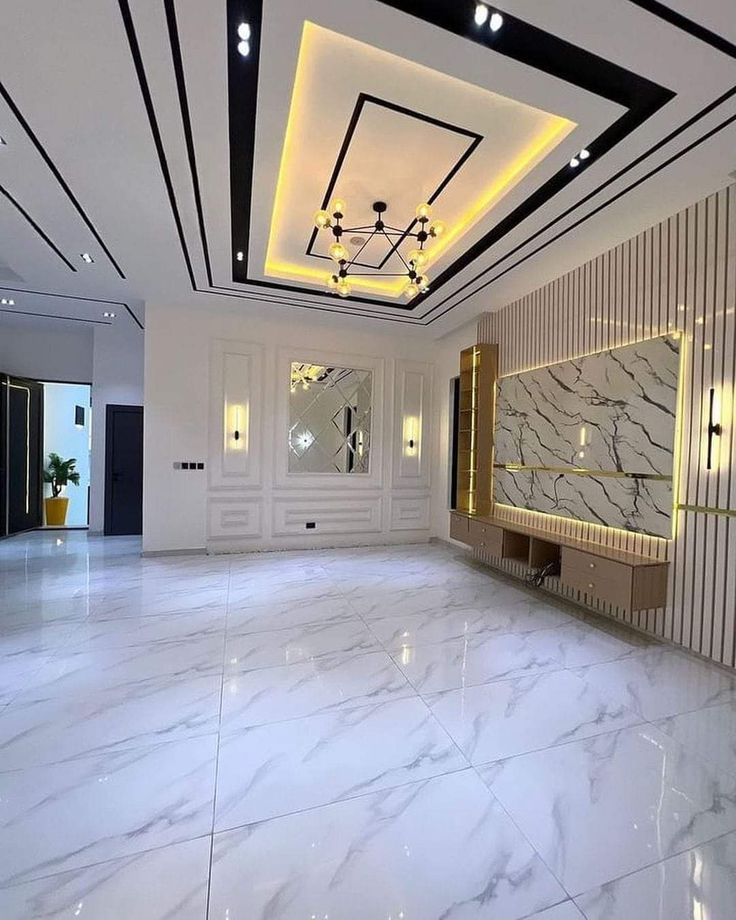
1. 20 Modern Gypsum Ceiling Designs for Kenyan Homes
Gypsum boards allow designers to create different shapes, levels and decorative details. Below are 20 ideas to consider when planning your home ceiling.
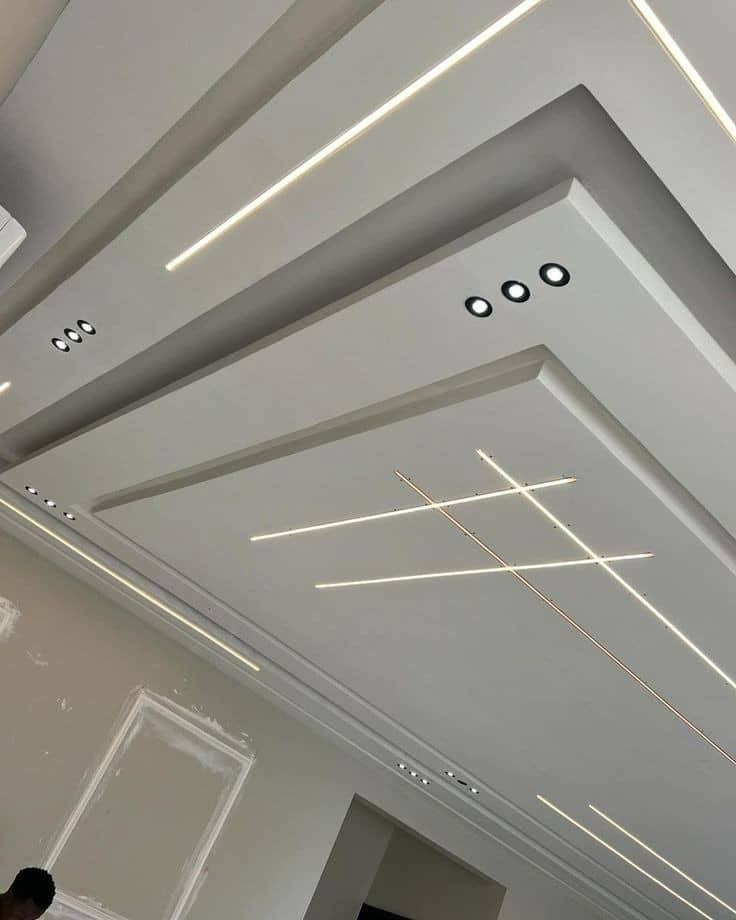
1. Simple Flat Gypsum Ceiling Design
A simple flat gypsum ceiling features a smooth, level surface without complicated patterns or decorative sections. It creates a clean appearance and works well in both traditional and contemporary homes.
You can finish it with white paint or choose a colour that complements your walls. Additionally, recessed LED downlights can provide general illumination without making the ceiling look crowded.
Best for: Small houses, apartments, bedrooms, corridors and minimalist living rooms.
Why choose it: It provides a neat finish, keeps the design simple and offers a practical option for homeowners working with a limited budget.
2. Modern Stepped Gypsum Ceiling Design
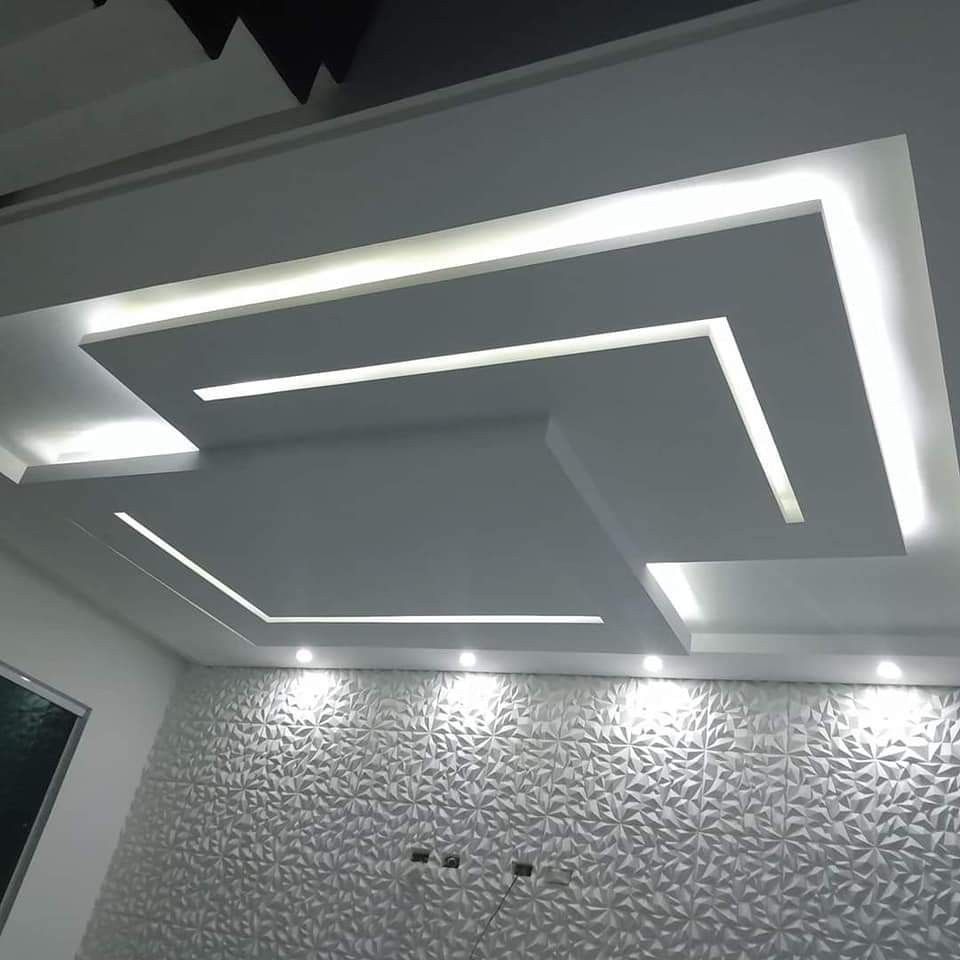
A stepped ceiling uses two or more levels to create depth around the ceiling perimeter or central section. The different levels introduce a decorative effect without requiring elaborate patterns.
You can also incorporate concealed LED strips along the recessed edges. This creates a soft lighting effect and highlights the ceiling shape.
Best for: Modern living rooms, dining rooms and spacious bedrooms.
Why choose it: It adds visual interest while allowing you to combine decorative ceiling details with practical lighting.
3. Tray Gypsum Ceiling Design
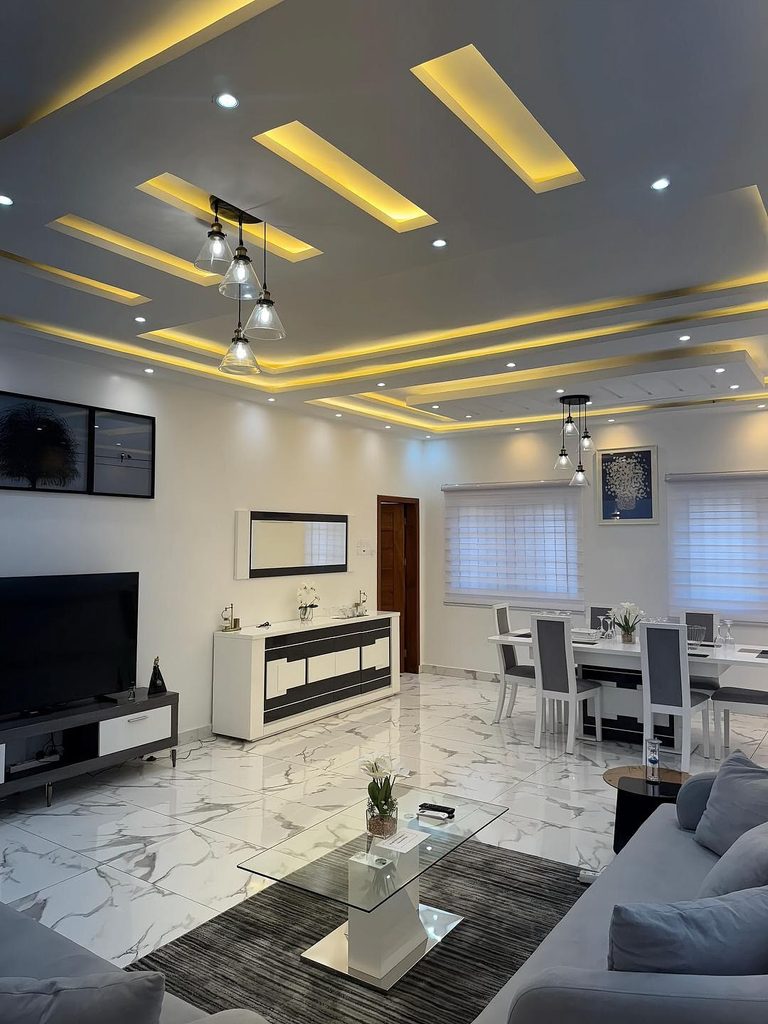
A tray ceiling features a recessed central section surrounded by a raised or layered perimeter. This creates the appearance of a shallow tray above the room.
You can use a rectangular, square or customised tray depending on the room layout. Concealed lighting around the edges can also enhance the design.
Best for: Master bedrooms, large living rooms and dining areas.
Why choose it: It creates a focal point and gives the ceiling a more defined appearance.
4. Floating Gypsum Ceiling Design
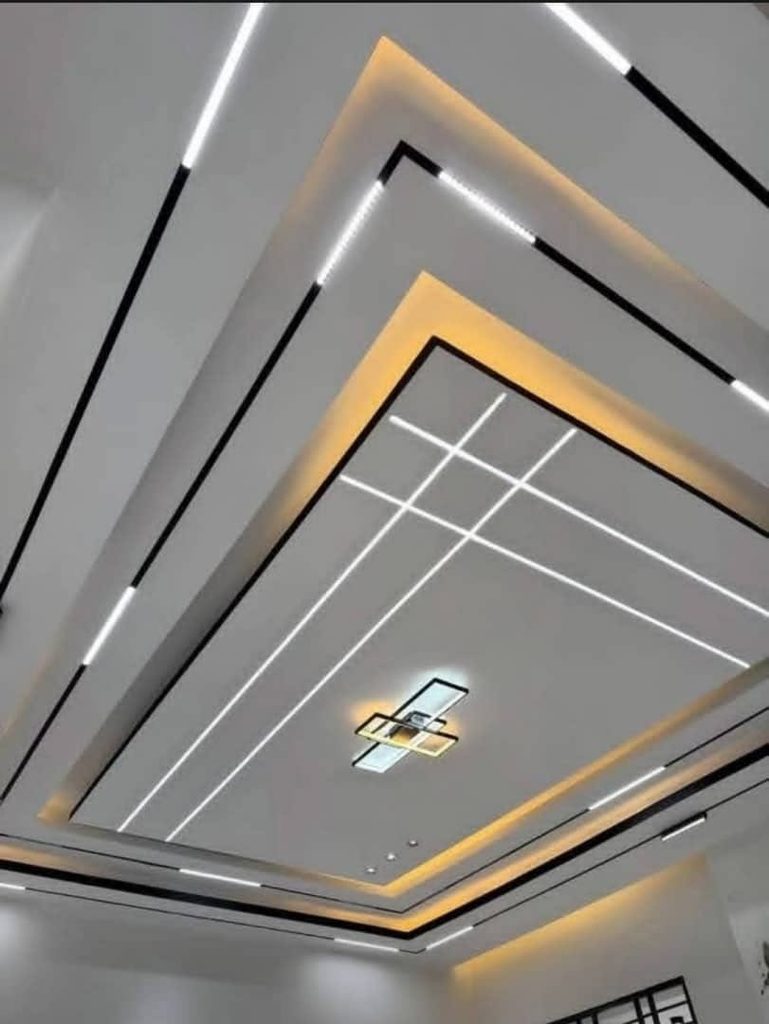
A floating ceiling creates the impression that a decorative gypsum panel is suspended below the main ceiling. Installers achieve this effect through recessed edges and concealed lighting.
The central panel can feature a rectangular, square or customised shape. You can also use a contrasting paint finish to make the feature more noticeable.
Best for: Contemporary living rooms, master bedrooms and modern apartments.
Why choose it: It creates a distinctive modern appearance without requiring decorative details across the entire ceiling.
5. Gypsum Ceiling with LED Cove Lighting
Cove lighting uses concealed LED strips installed within a recessed ceiling channel. The light reflects onto the ceiling or nearby walls, creating a softer appearance.
You can incorporate this feature into flat, stepped, tray and floating ceiling designs. It also allows you to create different lighting moods when paired with compatible controls.
Best for: Living rooms, bedrooms, lounges and selected dining spaces.
Why choose it: It combines decorative lighting with a clean ceiling finish.
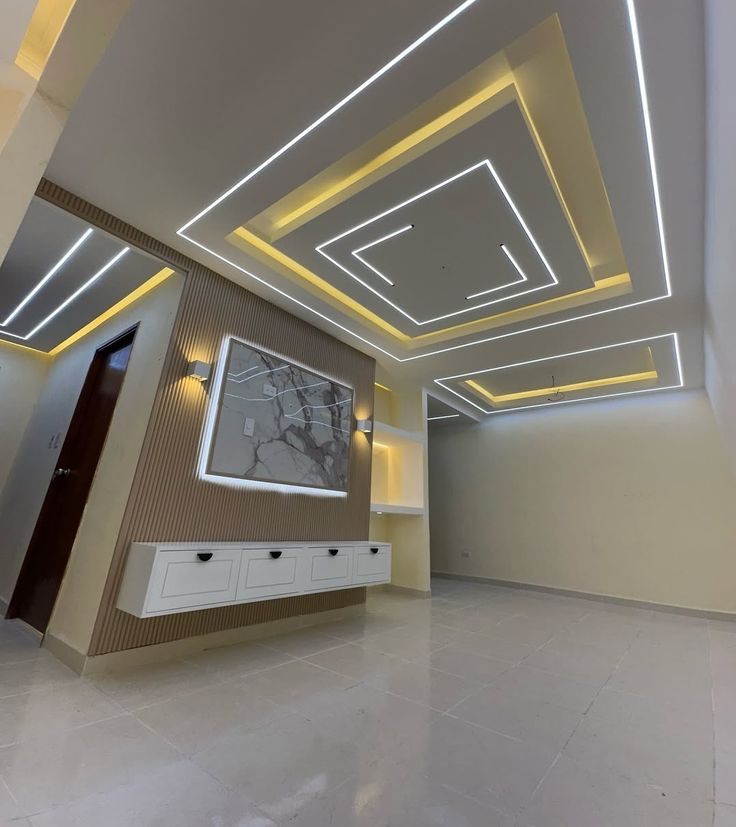
6. Coffered Gypsum Ceiling Design
A coffered ceiling features a series of recessed squares or rectangular sections arranged in a grid. These sections create a structured and decorative appearance.
You can use simple square patterns or larger rectangular sections depending on the room dimensions. Selected sections can also include concealed lighting.
Best for: Large living rooms, dining rooms and spacious executive-style interiors.
Why choose it: It creates a formal, architectural appearance and works well in rooms with sufficient ceiling height.
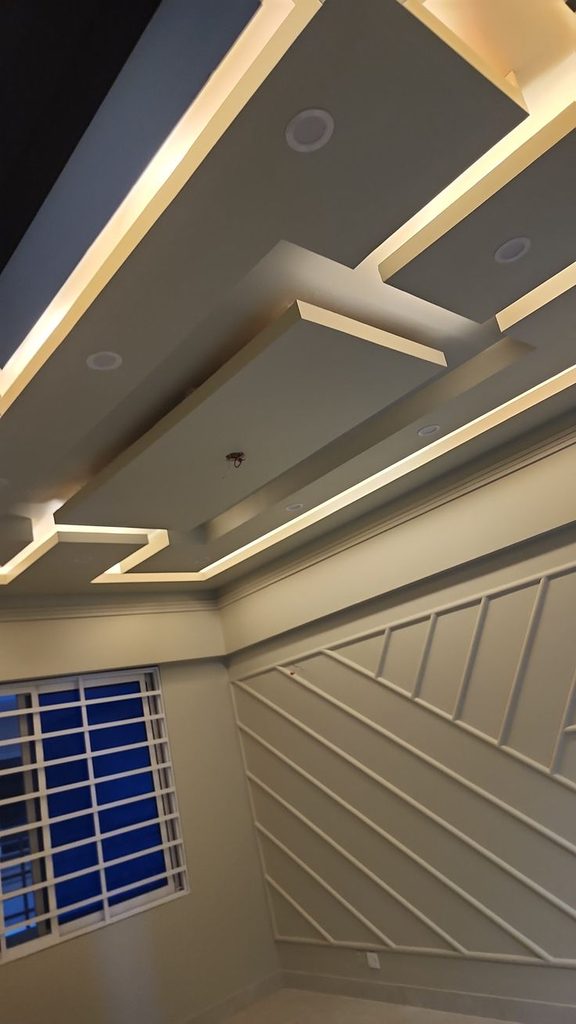
7. Circular Gypsum Ceiling Design
A circular gypsum ceiling uses a round decorative feature at the centre of the ceiling. The design may include a recessed circular section, layered rings or a curved perimeter.
You can combine it with a chandelier, pendant light or concealed LED strip. However, the size of the circular feature should match the room dimensions.
Best for: Spacious living rooms, dining rooms and master bedrooms.
Why choose it: It creates a central focal point and introduces softer shapes into a room with mostly straight architectural lines.
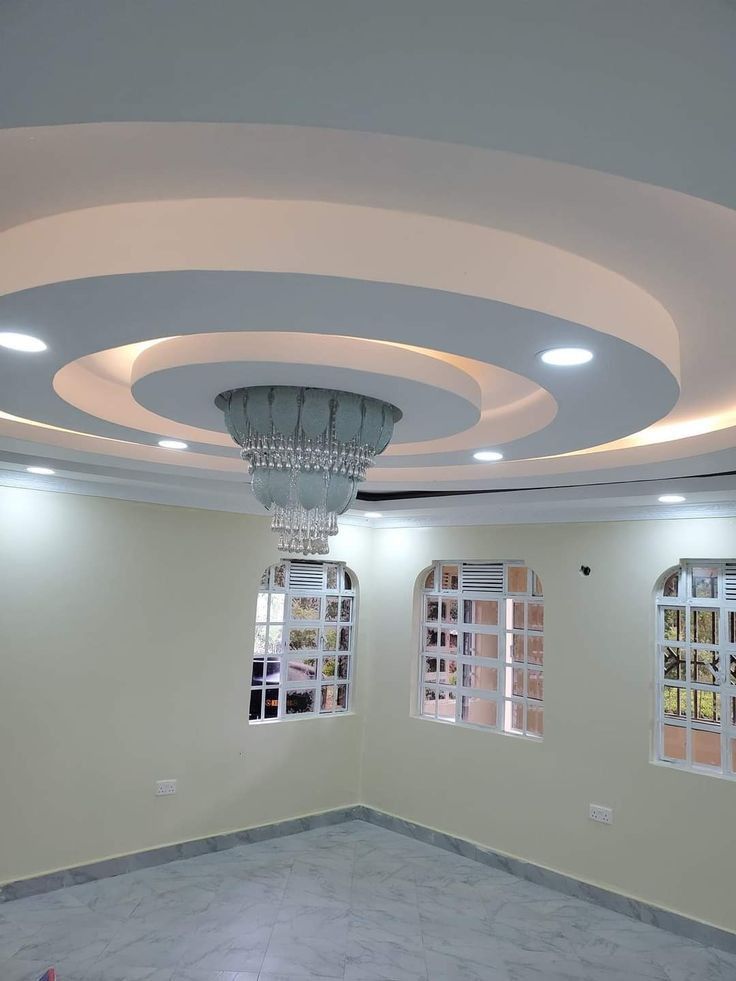
8. Rectangular Gypsum Ceiling Design
Rectangular ceiling designs use clean geometric shapes to create a decorative feature around the central section or room perimeter.
For example, you can install a rectangular recessed border above the seating area and incorporate LED strips along selected edges.
Best for: Rectangular living rooms, dining rooms and modern apartments.
Why choose it: It complements common room layouts and provides a simple way to introduce layered ceiling details.
9. Geometric Gypsum Ceiling Design
Geometric designs use shapes such as squares, rectangles, diagonal lines and selected angular patterns. They create a contemporary appearance and can make the ceiling a major design feature.
However, the pattern should complement the furniture, wall finishes and overall interior style. Too many shapes can make a small room feel visually busy.
Best for: Modern homes, large living rooms, entertainment spaces and contemporary apartments.
Why choose it: It offers flexibility for homeowners who want a distinctive ceiling design.
10. Minimalist Gypsum Ceiling Design
Minimalist ceilings focus on simplicity, clean edges and limited decoration. Instead of using several levels, the design may include one shallow perimeter detail or a small recessed feature.
You can pair it with subtle recessed lighting and a neutral paint finish.
Best for: Apartments, small houses, bedrooms and contemporary homes.
Why choose it: It maintains a neat appearance and complements simple furniture and modern interior finishes.
11. Gypsum Ceiling with Wooden Accents
This design combines gypsum boards with selected wooden or wood-finish details. The wood can appear as a decorative strip, central panel or feature section.
The contrast between the smooth gypsum surface and the warmer wood finish can create an attractive interior.
Best for: Living rooms, dining areas, home offices and contemporary houses.
Why choose it: It introduces texture and warmth while maintaining a modern ceiling design.
12. Curved Gypsum Ceiling Design
Curved ceilings use rounded edges, flowing shapes or arched details instead of relying entirely on straight lines.
You can create a curved feature around a central ceiling section or use a gentle curve to separate two areas in an open-plan interior.
Best for: Spacious living rooms, lounges and homes with contemporary interior themes.
Why choose it: It softens the appearance of the ceiling and creates a customised design.
13. Gypsum Ceiling with Decorative Cornices
Cornices are decorative details installed where the wall meets the ceiling. Gypsum cornices can range from simple straight profiles to more elaborate patterns.
You can use them with a flat ceiling or combine them with a shallow perimeter design.
Best for: Living rooms, bedrooms, dining rooms and homes with classic or transitional interiors.
Why choose it: It creates a finished transition between the wall and ceiling without requiring a complicated design.
14. Multi-Level Gypsum Ceiling Design
A multi-level ceiling combines several layers to create depth and decorative contrast. The design may include a central feature, perimeter drops and recessed lighting sections.
Although this style can look impressive, it requires sufficient ceiling height and careful planning.
Best for: Large living rooms, spacious master bedrooms and luxury homes.
Why choose it: It creates a dramatic ceiling feature and offers several opportunities for integrated lighting.
15. Gypsum Ceiling with Recessed LED Downlights
This design combines a smooth or lightly layered gypsum ceiling with recessed LED downlights. The fittings sit inside ceiling openings, creating a clean and organised appearance.
You can arrange the lights in rows, around the room perimeter or according to the furniture layout.
Best for: Kitchens, living rooms, bedrooms, corridors and home offices.
Why choose it: It provides practical illumination while keeping the ceiling surface relatively simple.
16. Gypsum Ceiling with a Chandelier Feature
A chandelier feature ceiling creates a decorative central section designed around a hanging light fitting.
The gypsum design may include a circular, rectangular or tray-shaped recess that frames the chandelier. The supporting structure must also suit the fitting’s weight.
Best for: Large living rooms, dining rooms and spacious entrance areas.
Why choose it: It combines a decorative ceiling feature with a central lighting focal point.
17. Gypsum Ceiling with Linear LED Lighting
Linear LED lighting introduces straight lines of light into the ceiling design. Installers can position the fittings within recessed channels or use suitable surface-mounted options.
This creates a contemporary appearance and works particularly well with rectangular or minimalist ceiling designs.
Best for: Modern living rooms, kitchens, corridors and home offices.
Why choose it: It creates clean lighting lines and complements contemporary interior styles.
18. Small Perimeter Gypsum Ceiling Design
A small perimeter ceiling design uses a shallow gypsum border around the room rather than a large central feature.
You can add concealed LED strips or a few recessed downlights along the border. This option is useful when you want some decorative detail without lowering the entire ceiling significantly.
Best for: Small houses, compact apartments, bedrooms and smaller living rooms.
Why choose it: It introduces depth while keeping the design relatively simple.
19. Open-Plan Gypsum Ceiling Design
Open-plan homes combine areas such as the living room, dining room and kitchen within one connected space. A coordinated gypsum ceiling can help define these areas without building additional walls.
For example, you can use a rectangular ceiling feature above the lounge and a separate lighting detail above the dining table.
Best for: Open-plan apartments and modern family homes.
Why choose it: It helps create visual zones while maintaining a connected interior.
20. Luxury Custom Gypsum Ceiling Design
Custom gypsum ceilings combine different shapes, levels, finishes and lighting features according to a specific interior concept.
A design may include a central tray, floating sections, concealed LED strips, decorative cornices and selected geometric details.
However, custom designs require careful measurements and coordination. The final result should complement the room rather than introduce unnecessary decoration.
Best for: Luxury homes, spacious living rooms, master bedrooms and large entertainment areas.
Why choose it: It allows homeowners to create a ceiling that reflects their preferred interior style and room layout.
2. Best Gypsum Ceiling Designs for Different Rooms
The best ceiling design depends on the function, size and layout of each room. Consider the following ideas when planning your home.
Living Room Gypsum Ceiling Designs
The living room often provides the best opportunity to introduce a decorative ceiling feature because it is one of the main shared spaces in a home.
Popular options include tray ceilings, stepped ceilings, floating panels, geometric designs and concealed LED lighting.
For a small living room, choose a simple flat ceiling or shallow perimeter design. On the other hand, a larger living room may accommodate a coffered ceiling or a more decorative multi-level feature.
Bedroom Gypsum Ceiling Designs
Bedroom ceilings should complement the furniture and create a comfortable atmosphere.
A simple flat ceiling with recessed lights works well in compact bedrooms. Meanwhile, master bedrooms can accommodate tray ceilings, floating features and concealed LED lighting.
You can also create a decorative feature above the bed, provided it does not make the room feel crowded.
Kitchen Gypsum Ceiling Designs
Kitchen ceilings should prioritise practical lighting and easy coordination with other finishes.
A simple flat gypsum ceiling with recessed downlights can provide a clean appearance. Linear LED lighting can also complement modern kitchen layouts.
Because kitchens experience moisture and cooking-related conditions, discuss suitable board specifications and ventilation with the installer. Select moisture-resistant materials where the application requires them.
Dining Room Gypsum Ceiling Designs
A tray, coffered or rectangular ceiling can help define the dining area. You can also position a pendant light above the dining table to create a central feature.
The ceiling shape and light fitting should follow the table layout. This helps maintain a balanced appearance.
Corridor and Hallway Gypsum Ceiling Designs
Corridors often benefit from simple ceiling details because they have limited width.
Consider a flat ceiling with recessed downlights, a slim perimeter border or a linear lighting channel. Avoid deep multi-level designs where they would make the passage feel enclosed.
Home Office Gypsum Ceiling Designs
A home office needs a ceiling that supports comfortable working conditions.
Flat gypsum ceilings with suitable recessed lights or linear fittings can provide a practical solution. Consider glare, screen positions and the amount of natural light entering the room.
3. Modern Gypsum Ceiling Designs for Small Houses
Small houses and apartments require careful ceiling planning. A design that looks attractive in a large house may not suit a compact room.
Consider these options:
- Flat gypsum ceiling: Maintains a clean appearance without unnecessary layers.
- Slim perimeter border: Adds a decorative edge without creating a large ceiling drop.
- Shallow tray ceiling: Introduces depth while keeping the central section simple.
- Floating feature panel: Creates one focal point instead of decorating the entire ceiling.
- Simple LED cove: Provides indirect lighting along selected ceiling edges.
- Minimalist recessed lighting: Keeps the ceiling uncluttered.
Before choosing a design, measure the available ceiling height. A shallow and well-proportioned design is often more suitable than several deep layers in a compact room.
4. Modern Gypsum Ceiling Colours and Finishes
The ceiling colour influences how the entire room looks. White remains a common choice because it works with many wall colours and interior styles. However, you can consider other finishes depending on your preferred design.
White Gypsum Ceiling
White creates a clean and versatile finish. It works well with minimalist, contemporary and classic interiors.
Off-White and Cream Ceiling
Off-white and cream finishes introduce a softer appearance. They can complement warm wall colours, wooden furniture and neutral flooring.
Grey Gypsum Ceiling
Grey can create a contemporary appearance when used carefully. It may work particularly well with white walls, darker furniture and modern lighting.
Two-Tone Gypsum Ceiling
A two-tone ceiling combines two complementary colours or finishes. For example, a white ceiling may include a grey or wood-finish central feature.
Use contrasting colours carefully to ensure that the ceiling complements the rest of the room.
5. How Much Do Modern Gypsum Ceiling Designs Cost in Kenya?
The cost of modern gypsum ceiling designs in Kenya depends on the room size, design complexity, board specification, framework, labour, finishing and lighting requirements.
The following figures are indicative planning ranges based on published Kenyan gypsum ceiling cost guides.
| Gypsum ceiling design | Indicative cost per m² |
|---|---|
| Plain flat gypsum ceiling | KES 1,000–1,500 |
| Simple modern ceiling | KES 1,500–2,500 |
| Stepped or bulkhead design | KES 2,000–3,500+ |
| Feature ceiling with cove lighting | KES 2,500–4,500+ |
| Complex premium ceiling | KES 4,000–6,000+ |
These are budgeting estimates, not fixed quotations. Confirm whether the contractor includes the framework, gypsum boards, jointing, skimming, painting, LED strips, downlights and electrical work.
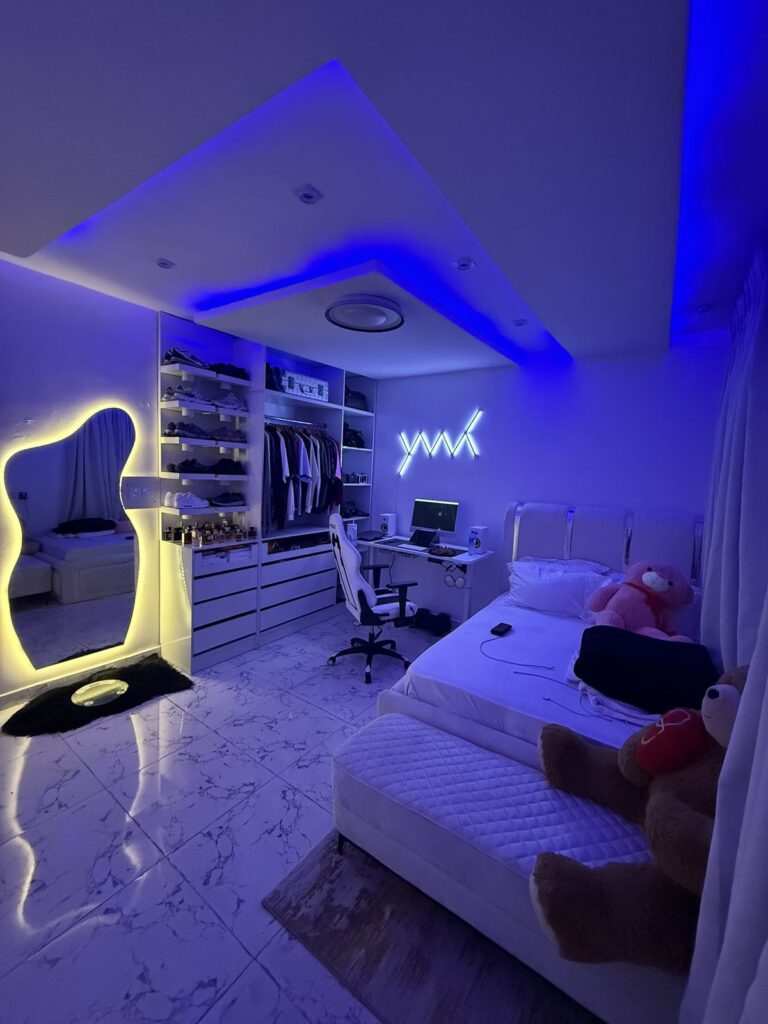
Example: Estimated Cost for a 20 m² Living Room
Suppose you want a modern gypsum ceiling for a 20 m² living room.
For a simple modern design at KES 1,500–2,500 per m²:
- Lower estimate: 20 × KES 1,500 = KES 30,000.
- Upper estimate: 20 × KES 2,500 = KES 50,000.
For a feature ceiling with cove lighting at KES 2,500–4,500 per m²:
- Lower estimate: 20 × KES 2,500 = KES 50,000.
- Upper estimate: 20 × KES 4,500 = KES 90,000.
These examples provide an initial budget only. The final quotation depends on the selected materials, lighting specifications and work included.
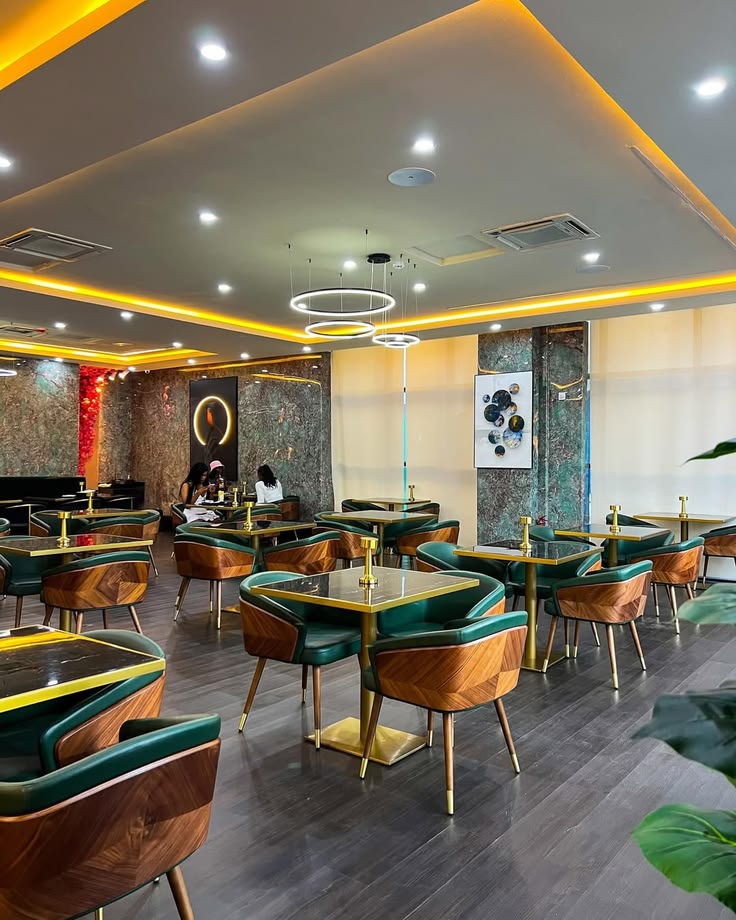
Factors That Affect Gypsum Ceiling Installation Costs
Room size: Larger ceiling areas require more materials and labour.
Design complexity: Curved, geometric, coffered and multi-level designs may require additional setting-out and finishing work.
Board specification: Standard and moisture-resistant boards serve different applications and may have different prices.
Lighting: LED strips, recessed lights, drivers, switches and electrical connections affect the total project budget.
Finishing: Jointing, skimming, sanding and painting contribute to the final cost.
Existing ceiling condition: Repairs, removal of old materials and electrical changes may increase the project scope.
For an accurate quotation, provide the room measurements and preferred design. Ask the contractor to itemise the materials, labour and lighting components.
6. How to Choose the Right Gypsum Ceiling Design for Your Home
Choosing a design should involve more than selecting a picture you like. Consider the following factors before making your decision.
Consider the Room Size
A small room usually benefits from simple ceiling designs with limited decorative levels. Larger rooms can accommodate more elaborate features, provided they complement the interior.
Check the Ceiling Height
The ceiling design should suit the available vertical space. Deep drops and multiple levels can make low rooms feel smaller.
Match the Design with Your Interior Style
A minimalist home may suit flat ceilings, shallow borders and clean geometric shapes. A more decorative interior may accommodate cornices, tray ceilings and selected custom features.
Plan the Lighting
Decide whether the room needs recessed downlights, concealed LED strips, pendant fittings or a combination of these options.
Lighting should support the room’s activities rather than serve only as decoration.
Consider Maintenance
Select a design that allows access to components that may require maintenance, especially LED drivers and electrical connections.
Work Within Your Budget
Choose a design that balances appearance, materials and installation requirements. A simple ceiling with well-planned lighting can be more effective than an unnecessarily complicated design.
7. Gypsum Ceiling Installation Process
A professional installation process helps achieve a consistent finish and reduces avoidable mistakes.
Step 1: Consultation and design selection
Discuss your preferred design, room measurements, lighting requirements and budget.
Step 2: Site assessment
The installer assesses the existing ceiling, room height, electrical layout and site conditions.
Step 3: Measurements and layout
The team measures the ceiling and marks the proposed design, framework and lighting positions.
Step 4: Framework installation
The supporting framework is installed according to the project specification.
Step 5: Gypsum board installation
The boards are fixed to the framework and shaped to match the approved design.
Step 6: Jointing and finishing
The installers tape and finish the joints, prepare the surface and complete the agreed painting work.
Step 7: Lighting installation and inspection
The electrical team completes the planned lighting connections, tests the fittings and checks the finished ceiling.
8. Common Gypsum Ceiling Mistakes to Avoid
Even an attractive ceiling design can disappoint when installation receives insufficient attention.
Avoid these mistakes:
- Choosing a design without considering ceiling height.
- Using too many decorative levels in a small room.
- Planning LED positions after the ceiling has been installed.
- Selecting unsuitable board specifications for the room conditions.
- Ignoring access to electrical components.
- Using lighting that creates glare or uneven illumination.
- Failing to check the supporting framework and finishing quality.
- Choosing a design that clashes with the furniture and wall finishes.
- Accepting a quotation without checking its inclusions and exclusions.
A proper design plan and coordinated installation can help prevent these problems.
9. Why Choose Professional Gypsum Ceiling Installation?
Gypsum ceiling installation involves design planning, measurements, framework, board fixing, joint finishing, painting and coordination with electrical work.
A professional interior design and fit-out team can help bring these activities together. This is particularly important when the ceiling forms part of a larger renovation or interior finishing project.
At Office Interiors, we focus on planning functional and attractive interior spaces. We consider the ceiling design alongside lighting, furniture, wall finishes and the overall room layout.
Whether you are improving a commercial space or coordinating a larger interior project, proper planning helps create a consistent final appearance.
10. Areas We Serve Across Kenya
Our interior design and fit-out coverage includes Nairobi, Mombasa, Kiambu, Murang’a, Nyeri, Kirinyaga, Nyandarua, Kilifi, Kwale, Tana River, Lamu, Taita-Taveta, Machakos, Kitui, Makueni, Embu, Tharaka-Nithi, Meru, Isiolo, Marsabit, Garissa, Wajir, Mandera, Kisumu, Siaya, Homa Bay, Migori, Kisii, Nyamira, Nakuru, Uasin Gishu, Elgeyo-Marakwet, Nandi, Baringo, Laikipia, Narok, Kajiado, Kericho, Bomet, Samburu, Turkana, West Pokot, Trans Nzoia, Kakamega, Vihiga, Bungoma and Busia, subject to project assessment and availability.
In Nairobi, our service areas include Nairobi CBD, Westlands, Upper Hill, Kilimani, Kileleshwa, Lavington, Parklands, Riverside, Gigiri, Runda, Karen, Muthaiga, Spring Valley, Rosslyn, Ridgeways, Ngara, Hurlingham, South C, South B, Lang’ata, Industrial Area, Embakasi, Donholm, Umoja, Kasarani, Roysambu, Zimmerman, Kahawa West, Kahawa Sukari, Garden Estate, Thome, Thika Road and Mombasa Road.
In Mombasa, our coverage includes Mombasa Island, Nyali, Bamburi, Shanzu, Kizingo, Tudor, Ganjoni, Likoni, Changamwe, Kisauni, Mtwapa, Diani, Ukunda, Miritini, Port Reitz, Jomvu, Mkomani, Kongowea, Mwembe Tayari and Majengo.
11. Related Interior Design Services
Explore other services that can complement your home or property improvement project:
- Interior Design and Fit-Out Services – Interior planning and coordinated finishing solutions.
- Interior Finishes – Flooring, wall finishes, ceilings and other finishing solutions.
- Renovation Services – Renovation and interior improvement projects.
- SUIMAS Interior Design – Interior design and project fit-out solutions.
- Office Interior Design – Workspace planning and commercial interior solutions.
12. Contact Office Interiors
Planning to install a modern gypsum ceiling in your property? Contact Office Interiors to discuss your design requirements, arrange a project assessment and request a quotation.
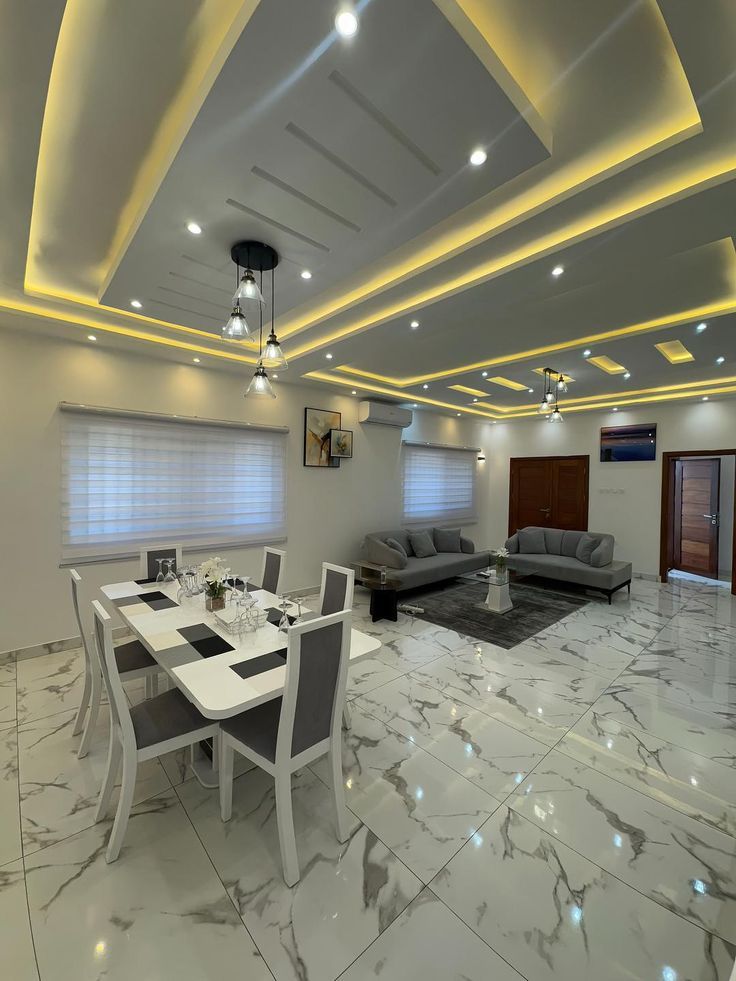
Phone: 0717 044 443 | 0739 255 050 | 0725 021 709
Email: info@interiordesigners.co.ke
Website: OfficeInteriors.co.ke
Location: Nairobi CBD
Frequently Asked Questions
1. Which gypsum ceiling design is best for a modern Kenyan home?
Flat, stepped, tray, floating and minimalist gypsum ceilings are popular options for modern homes. The best choice depends on the room size, ceiling height, lighting requirements and preferred interior style.
2. Which gypsum ceiling design is best for a small house?
A flat ceiling, slim perimeter border, shallow tray or simple LED cove design can work well in a small house. These options introduce decorative detail without requiring several deep ceiling levels.
3. How much does a gypsum ceiling cost in Kenya?
Indicative installation costs range from KES 1,000–1,500 per m² for a plain ceiling to KES 4,000–6,000+ per m² for complex premium designs. The actual quotation depends on materials, labour, design details and lighting inclusions.
4. Can gypsum ceilings include LED lights?
Yes. Gypsum ceilings can accommodate concealed LED strips, recessed downlights and selected linear lighting systems. Plan the wiring and fitting positions before the installers close the ceiling.
5. Are gypsum ceilings suitable for bedrooms?
Yes. Flat, tray, floating and stepped designs can suit bedrooms. Choose a style that complements the furniture, room size and preferred lighting atmosphere.
6. Can I install gypsum ceilings in a kitchen?
Yes, but material selection and ventilation matter. Discuss moisture exposure and suitable board specifications with the installer before choosing the design.
7. Do gypsum ceilings make rooms look smaller?
They can reduce the available ceiling height, particularly when the design includes several deep levels. However, simple flat ceilings and shallow perimeter details can work well in compact rooms.
8. Which is better: a flat or stepped gypsum ceiling?
A flat ceiling offers a simple, clean appearance and is generally more economical. A stepped ceiling introduces depth and creates more opportunities for concealed lighting. Your room dimensions and budget should guide the decision.
9. How long does gypsum ceiling installation take?
The installation period depends on the room size, design complexity, electrical work and finishing requirements. Ask for a project-specific timeline after the site assessment.
10. Can gypsum ceilings be repainted?
Yes. A properly prepared and finished gypsum ceiling can be repainted when necessary. Prepare the surface correctly and use a suitable paint system.
11. Can I combine gypsum ceilings with wooden finishes?
Yes. Selected wood or wood-finish details can complement gypsum boards and introduce warmth. The combination should match the room’s furniture, flooring and overall interior style.
12. How do I choose a gypsum ceiling contractor in Kenya?
Review previous projects, ask about materials and framework specifications, request a written quotation and confirm what the installation includes. Also, ensure the contractor coordinates electrical work and provides a clear project timeline.