Modern Interior Finishes in Kenya: Materials, Ideas, Trends and Costs
Modern interior finishes in Kenya are changing how homeowners, property developers and businesses transform their spaces. Instead of relying only on ordinary paint, standard floor tiles and plain ceilings, more property owners are choosing decorative wall panels, contemporary flooring, gypsum ceilings, custom cabinetry, glass partitions and carefully coordinated lighting.
These finishes improve more than the appearance of a room. They can make spaces easier to maintain, improve functionality, create better storage and give homes and commercial properties a consistent design.
However, choosing the right modern interior finishes requires careful consideration. A material that works well in a living room may not be suitable for a bathroom or a busy commercial corridor. Similarly, an attractive wall finish may require special surface preparation or maintenance.
Whether you are renovating an apartment, completing a new house, upgrading an office or fitting out a hotel, understanding the available materials will help you make better decisions.
This guide explores modern interior finishes in Kenya, including flooring, wall panels, ceilings, kitchen finishes, bathroom materials, lighting, glass partitions and custom joinery. It also explains their applications, benefits, estimated costs and what to consider when selecting an interior finishing contractor.
What Are Modern Interior Finishes?
Modern interior finishes are the materials, surface treatments and installations used to complete and improve the appearance and functionality of indoor spaces.
They include the visible surfaces and architectural details that give a room its final character. Examples include floor tiles, timber-look flooring, decorative wall panels, textured paint, gypsum ceilings, kitchen cabinets, wardrobes, glass partitions and lighting features.
Modern interior finishes combine three important elements:
Appearance: Materials, colours, patterns and textures should create a coordinated interior.
Functionality: Each finish should suit the purpose of the room and the activities taking place there.
Durability: Materials should withstand normal use, cleaning, moisture exposure and other conditions associated with the space.
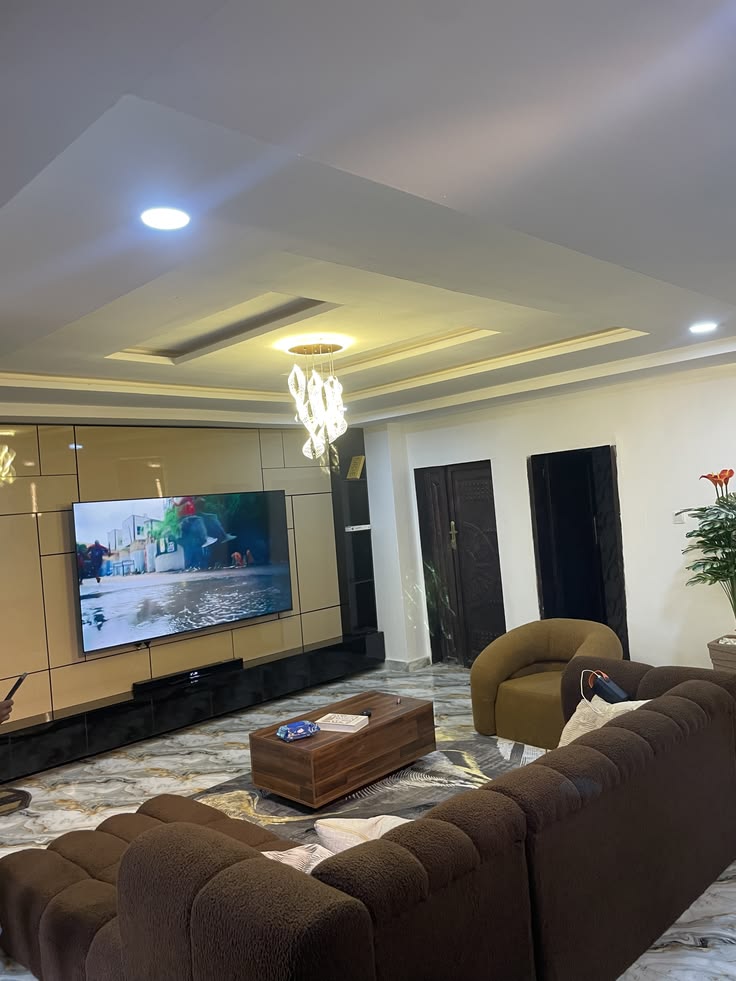
For example, a modern living room may combine porcelain flooring, neutral wall paint, a fluted TV feature wall, a gypsum ceiling and concealed LED lighting. A contemporary office may use glass partitions, acoustic finishes, commercial flooring and branded reception features.
The best results come from coordinating these elements instead of selecting each material independently.
12 Modern Interior Finishes Popular in Kenya
Modern interior finishing offers several options for residential, commercial and hospitality properties. The following materials and installations can help create attractive and functional spaces.
1. Decorative Wall Panels and Feature Walls
Decorative wall panels are among the most versatile options for modern interior finishing. They add texture, depth and visual interest without requiring every wall to have an elaborate design.
Common options include MDF panels, WPC panels, fluted panels, PVC panels, timber panels and decorative wall boards.
They can be used in:
- Living room TV walls.
- Bedroom headboard walls.
- Office reception areas.
- Hotel lobbies.
- Restaurant interiors.
- Retail display spaces.
- Meeting rooms and executive offices.
Fluted panels create a series of vertical or horizontal grooves that introduce texture to a plain surface. Timber-look panels can bring warmth into contemporary spaces, while decorative boards can provide a smooth or patterned finish.
When choosing wall panels, consider the material composition, fixing system, surface quality, moisture exposure and cleaning requirements. Also check whether the product has suitable fire-performance documentation for the intended commercial application.
A feature wall should complement the room rather than overwhelm it. Combining one decorative wall with simpler surrounding finishes often produces a more balanced result.
2. Modern Flooring Solutions
Flooring is one of the most important parts of interior finishing because it covers a large surface area and influences the appearance and usability of a room.
Modern flooring options in Kenya include porcelain tiles, ceramic tiles, SPC flooring, luxury vinyl, laminate, engineered timber, carpet tiles and epoxy flooring.
| Flooring option | Common applications | Main considerations |
|---|---|---|
| Porcelain tiles | Living rooms, kitchens and corridors | Durability, slip resistance and maintenance |
| Ceramic tiles | Bedrooms, kitchens and selected living areas | Affordability and ease of cleaning |
| SPC flooring | Selected homes, offices and apartments | Subfloor condition and moisture management |
| Luxury vinyl flooring | Homes, offices and retail spaces | Wear layer, installation and maintenance |
| Laminate flooring | Bedrooms and selected living spaces | Moisture exposure and surface protection |
| Engineered timber | Premium residential interiors | Installation conditions and maintenance |
| Carpet tiles | Offices and commercial spaces | Traffic levels and replacement convenience |
| Epoxy flooring | Selected commercial and service areas | Substrate preparation and coating specification |
The right flooring depends on the room’s purpose, expected foot traffic, moisture exposure and maintenance requirements.
For example, porcelain tiles may work well in busy living areas, while carpet tiles can provide a softer surface in selected office environments. SPC and vinyl flooring can create a timber-inspired appearance, but the substrate must be suitable and installation must follow the manufacturer’s requirements.
Before installation, inspect the subfloor, check moisture conditions and confirm the correct adhesives, underlays, joints and transition profiles.
Explore our flooring solutions and installation services for suitable options for residential and commercial spaces.
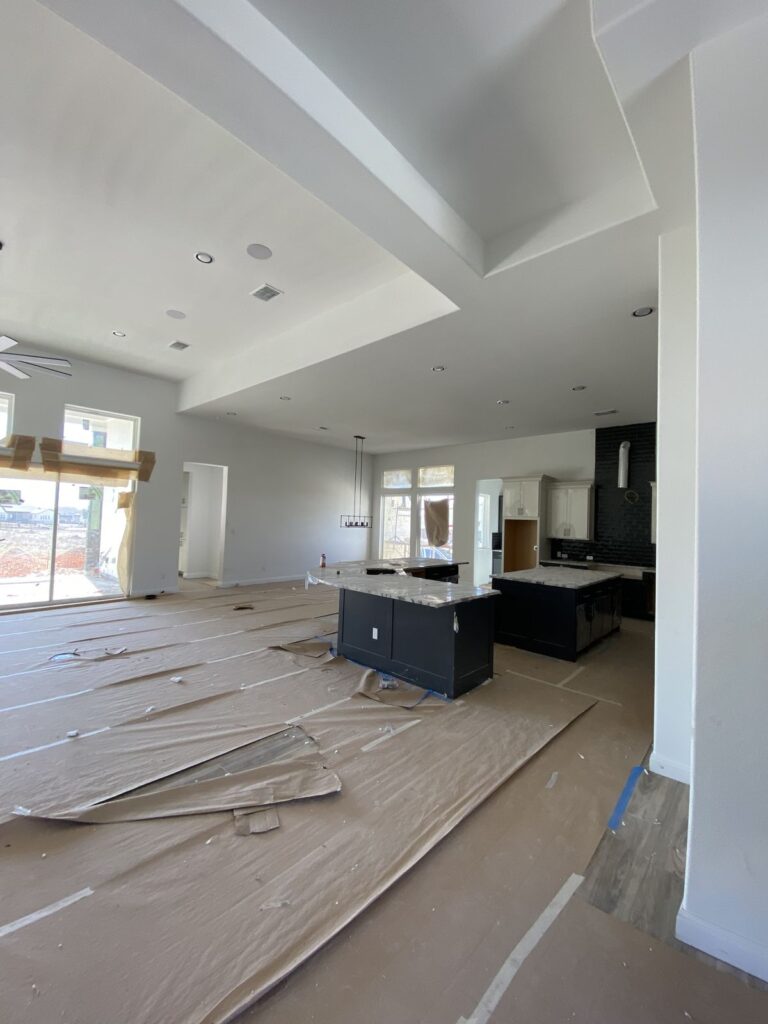
3. Modern Gypsum Ceiling Designs
Gypsum ceilings are widely used in modern homes, offices, hotels and commercial interiors. They create clean ceiling surfaces and provide opportunities to integrate lighting, conceal selected services and introduce architectural details.
Popular gypsum ceiling designs include:
- Plain suspended ceilings.
- Tray ceilings.
- Cove ceilings.
- Bulkhead ceilings.
- Two-level and multi-level ceilings.
- Coffered ceilings.
- Floating ceiling designs.
- Decorative ceiling features.
A plain gypsum ceiling can create a neat and simple appearance. More detailed designs can introduce concealed LED lighting, recessed downlights and defined ceiling zones.
However, ceiling design should consider the height of the room. Elaborate designs may not suit rooms with limited ceiling clearance.
Moisture-resistant or other specialised gypsum boards should be selected according to the manufacturer’s specifications and the conditions of the installation area. Proper framing, joint treatment, access panels and coordination with electrical services are also essential.
For a modern result, coordinate the ceiling design with the lighting plan before installation begins.
4. Modern Kitchen Finishes and Cabinetry
The kitchen is an important part of any residential interior. Modern kitchen finishing combines practical storage, durable surfaces, organised work areas and coordinated materials.
Common kitchen finishing options include:
Cabinet finishes: Laminate, melamine-faced boards, painted MDF, veneer and other decorative surfaces.
Countertops: Granite, engineered quartz, sintered stone and other suitable worktop materials.
Backsplashes: Ceramic tiles, porcelain tiles, glass and selected decorative panels designed for the intended conditions.
Storage systems: Pull-out drawers, pantry units, corner storage, cutlery organisers and full-height cabinets.
Modern kitchens often use simple cabinet profiles, neutral colours, integrated storage and carefully selected hardware. Handleless designs and concealed storage can create a clean appearance when properly specified.
Material selection should account for heat, moisture, cleaning products and everyday use. Ask for details about board thickness, edge treatment, hinges, drawer runners and countertop installation before approving a kitchen quotation.
5. Modern Bathroom Finishes
Bathroom finishing requires materials that can perform in wet and humid conditions while maintaining an attractive appearance.
Popular modern bathroom finishes include large-format porcelain tiles, textured wall tiles, glass shower screens, floating vanity units, modern sanitary ware and coordinated taps.
Other features include:
- Wall-hung or floor-mounted toilets.
- Countertop washbasins.
- Vanity cabinets with storage.
- Frameless or framed shower enclosures.
- Recessed shower niches.
- LED bathroom mirrors.
- Concealed shower fittings.
- Non-slip floor tiles.
Large-format tiles can create a more continuous appearance by reducing the number of visible grout joints. However, the substrate must be properly prepared and installation requires suitable adhesives and workmanship.
Waterproofing, drainage slopes, ventilation and correctly sealed joints are essential. Decorative materials should never replace the waterproofing system required for a wet area.
6. Modern Wall Paint and Decorative Finishes
Paint remains one of the most practical ways to transform an interior. Modern painting options include matte, satin, washable, textured and decorative finishes.
Homeowners can combine neutral wall colours with selected accent colours to create a balanced interior.
Common modern colour directions include:
- Warm white and cream.
- Beige and sand.
- Light and warm grey.
- Olive and muted green.
- Terracotta and earthy brown.
- Charcoal and selected darker accents.
Decorative treatments such as textured paint, Venetian plaster, limewash-style finishes and other specialist wall coatings can add depth to feature areas.
Before choosing a paint finish, consider the condition of the wall, the amount of natural light and the cleaning requirements. Proper preparation, priming and application are important for achieving a consistent finish.
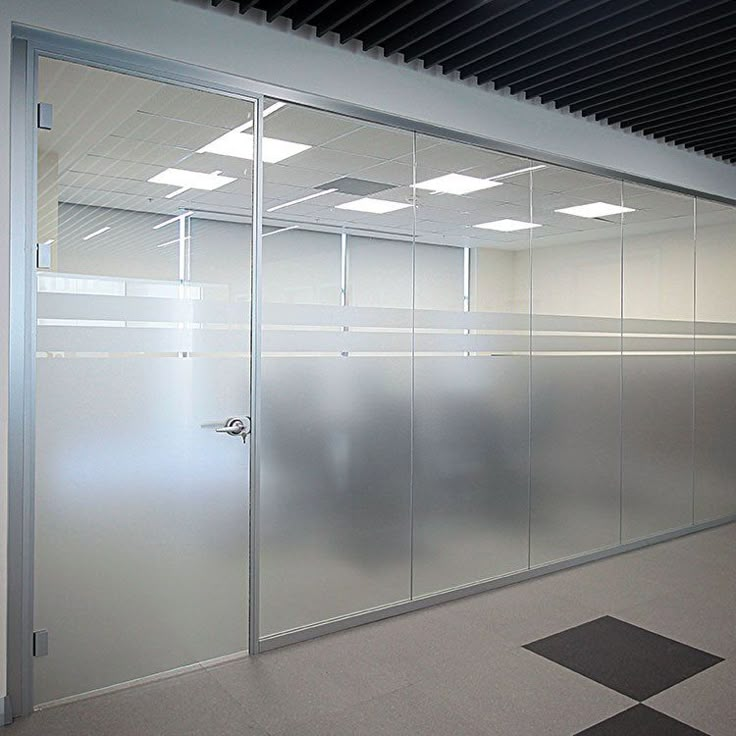
7. Glass and Aluminium Interior Partitions
Glass and aluminium partitions are useful in modern offices, commercial buildings and selected residential spaces.
They allow spaces to be divided without making the interior feel completely enclosed. Depending on the system, they can also support privacy, daylight distribution and acoustic separation.
Common options include:
- Frameless glass partitions.
- Framed glass partitions.
- Aluminium-framed glass systems.
- Frosted glass partitions.
- Double-glazed partitions.
- Glass doors and screens.
Clear glass is useful where visual openness is important. Frosted glass or privacy film can provide additional visual separation for meeting rooms, consultation areas and private offices.
Double-glazed systems may provide improved acoustic performance when correctly specified and installed. However, the actual result depends on glass thickness, framing, seals, doors and the complete partition design.
For office projects, consider circulation, safety markings, privacy, door hardware and acoustic requirements before selecting a partition system.
8. Custom Joinery and Built-In Storage
Custom joinery helps create interiors that use available space efficiently. It includes fitted wardrobes, kitchen cabinets, TV units, bookshelves, reception counters, office storage and other built-in furniture.
Modern joinery often uses simple lines, coordinated finishes, concealed storage and practical internal layouts.
Common materials include MDF, plywood, blockboard, decorative laminates, timber veneer and other suitable boards.
The right material depends on the intended use, expected loading, moisture exposure and budget.
For wardrobes, consider hanging rails, shelves, drawers and shoe storage. For TV units, plan cable routes, ventilation and equipment access. For office storage, consider document sizes, security and how frequently items will be accessed.
Custom joinery should be measured carefully and coordinated with electrical points, wall finishes and flooring before fabrication begins.
9. Modern Lighting and Ceiling Features
Lighting has a major effect on how modern interior finishes appear. Even good materials can look unappealing if the room has poor lighting.
Modern interiors often combine different lighting layers:
Ambient lighting: Provides general illumination throughout a room.
Task lighting: Supports specific activities such as cooking, reading and working.
Accent lighting: Highlights artwork, feature walls, shelves, architectural details and decorative objects.
Common modern lighting installations include recessed LED downlights, pendant lights, track lighting, concealed LED strips, wall lights and feature chandeliers.
When planning lighting, consider the room’s size, ceiling height, furniture arrangement and natural daylight. Also plan access to drivers, transformers and other components that may require maintenance.
The aim should be comfortable and useful illumination rather than simply installing as many lights as possible.
10. Wallpaper and Decorative Wall Coverings
Wallpaper offers a wide range of patterns, colours and textures for residential and commercial interiors.
It can be used to create feature walls in living rooms, bedrooms, hotel rooms, reception areas and selected retail spaces.
Options include:
- Vinyl wallpaper.
- Textured wallpaper.
- Fabric-look wallpaper.
- Geometric patterns.
- Nature-inspired prints.
- Custom murals.
Before installation, check whether the wall is dry, smooth and properly prepared. The adhesive must also be suitable for the wallpaper and surface.
In areas exposed to moisture, select products specifically rated for the intended environment and follow the manufacturer’s installation guidance.
11. Modern Window Treatments
Window treatments improve privacy, light control and the overall appearance of a room.
Popular options include roller blinds, Venetian blinds, vertical blinds, Roman blinds, curtains and decorative window films.
Modern window treatments can complement glass partitions, flooring, wall colours and furniture. They also help manage glare in offices and reduce excessive sunlight in selected residential spaces.
Consider window dimensions, mounting arrangements, ease of cleaning, light control and the room’s intended use before choosing a system.
12. Stone, Metal and Decorative Surface Finishes
Stone, metal and other decorative materials can introduce contrast and texture into contemporary interiors.
Common applications include:
- Stone cladding on selected feature walls.
- Granite or quartz countertops.
- Decorative metal trims.
- Stainless-steel details.
- Aluminium profiles.
- Stone-look wall boards.
- Decorative mirror panels.
These finishes can work well in reception areas, kitchens, hotel interiors, living rooms and commercial spaces.
The important consideration is balance. Too many competing materials can make a room appear crowded. Choose a main surface material and use additional finishes to complement it.
Modern Interior Finishes for Different Spaces
Not every modern finish is suitable for every room. The best selection depends on the activities taking place in the space, the expected maintenance and the design direction.
| Space | Recommended modern finishes |
|---|---|
| Living room | Porcelain or SPC flooring, feature wall panels, gypsum ceiling and layered lighting |
| Bedroom | Timber-look flooring, fitted wardrobes, soft wall colours and headboard panels |
| Kitchen | Durable cabinets, practical countertops, easy-to-clean backsplash and task lighting |
| Bathroom | Porcelain tiles, suitable waterproofing, glass shower screens and modern vanity units |
| Home office | Practical flooring, organised storage, suitable lighting and acoustic treatments |
| Corporate office | Glass partitions, commercial flooring, acoustic finishes and branded reception walls |
| Hotel | Durable flooring, decorative wall treatments, coordinated lighting and custom joinery |
| Restaurant | Easy-to-maintain finishes, suitable lighting, durable flooring and decorative feature walls |
| Retail shop | Commercial flooring, display shelving, branded walls and focused lighting |
For commercial properties, material selection should also consider traffic levels, safety, cleaning schedules, accessibility and operational requirements.
Modern Interior Finishes for Residential Properties in Kenya
Modern residential finishing should balance appearance with everyday comfort. The materials used in a family home need to suit the occupants, room sizes, lifestyle and available budget.
Modern Finishes for Apartments
Apartments often benefit from coordinated flooring, simple ceiling designs, fitted storage and carefully selected feature walls.
For smaller apartments, avoid using too many dark or heavily patterned materials. A consistent colour palette, good lighting and practical storage can help the available space feel more organised.
Modern Finishes for Maisonettes
Maisonettes provide opportunities to coordinate finishes across different floors and rooms.
You can use consistent flooring in connected living spaces, introduce different wall treatments in selected rooms and create a more distinctive master bedroom through custom joinery and lighting.
Staircase finishes, balustrades, wall treatments and lighting should also be considered as part of the overall design.
Modern Finishes for Villas and Luxury Homes
Larger homes can accommodate more specialised finishes such as engineered timber, natural stone, custom cabinetry, decorative ceilings, feature lighting and bespoke wall treatments.
However, luxury does not necessarily mean using expensive materials everywhere. The best results come from selecting a few quality finishes and coordinating them carefully.
Modern Interior Finishes for Offices and Commercial Spaces
Commercial interiors need to support business operations as well as create a positive impression.
A modern office may require glass partitions, reception counters, acoustic treatments, commercial flooring, ceiling systems, lighting and branded wall features.
Office Reception Areas
The reception area is often the first space visitors see. A well-designed reception can combine a branded feature wall, custom reception desk, suitable flooring, lighting and comfortable seating.
Meeting Rooms
Meeting rooms need suitable lighting, comfortable layouts, privacy and acoustic performance. Glass partitions can maintain visual openness, while frosting or other privacy treatments can improve confidentiality.
Open-Plan Offices
Open-plan offices benefit from practical flooring, organised workstations, suitable lighting and carefully positioned partitions. Acoustic considerations are important because hard surfaces can contribute to unwanted noise.
Hotels and Restaurants
Hospitality interiors require materials that combine appearance, durability and ease of maintenance. Flooring, wall finishes, lighting, furniture and joinery should reflect the property’s identity while supporting daily operations.
Modern Interior Finishes in Kenya: Estimated Material Costs
The cost of modern interior finishes depends on the material, quality, design, installation method, surface preparation and project location.
The following figures are indicative planning ranges for selected decorative wall finishes. They are not fixed supplier prices or complete project quotations.
| Interior finish | Indicative cost |
|---|---|
| Textured paint | KES 800–3,500 per m² |
| Venetian plaster | KES 2,500–12,000 per m² |
| Fluted panels and wainscoting | KES 3,000–16,000 per m² |
| WPC wall panels | KES 4,000–18,000 per m² |
The final quotation may vary depending on the product specification, wall condition, accessories, installation method and finishing details.
Other modern finishes, including porcelain tiles, SPC flooring, gypsum ceilings, kitchen cabinets, glass partitions and custom wardrobes, should be priced according to actual measurements and selected specifications.
What Determines the Cost of Modern Interior Finishes?
1. Material quality: Premium products, specialised surfaces and imported materials may cost more than standard alternatives.
2. Surface preparation: Uneven walls, damaged plaster and unsuitable subfloors may require additional work before installation.
3. Design complexity: Custom patterns, curved surfaces, decorative details and integrated lighting may increase fabrication and installation costs.
4. Project size: Larger spaces generally require more materials and labour, although the cost per unit may vary with project scale.
5. Installation method: Some systems require specialist installers, frames, adhesives, fixings or additional technical preparation.
6. Location and transport: Material delivery and labour arrangements can influence the overall quotation, particularly for projects outside major supply centres.
For a more detailed breakdown, see our complete house finishing materials list and prices in Kenya.
How to Choose the Best Modern Interior Finishes for Your Property
Selecting finishes should start with the purpose of the space rather than the appearance of a material in a showroom or online photograph.
Use the following considerations when making your choices.
1. Consider the Function of Each Room
A kitchen needs surfaces that can handle regular cleaning and normal cooking conditions. A living room may allow more decorative materials, while an office corridor needs flooring that can withstand frequent foot traffic.
Choose each material according to the activities that take place in the room.
2. Set a Realistic Budget
Decide how much you want to spend before selecting materials. Divide the budget into flooring, ceilings, walls, joinery, lighting, partitions and installation.
This makes it easier to prioritise important items and avoid selecting expensive finishes that exceed the project budget.
3. Compare Material Specifications
Do not compare products based on appearance alone. Check the thickness, composition, surface treatment, moisture suitability, fire-performance information where relevant, warranty and maintenance instructions.
For flooring, consider wear resistance and slip resistance. For wall panels, check the fixing method and suitability for the installation area.
4. Consider Maintenance Requirements
Some finishes require more regular cleaning, sealing or specialist care than others.
Before purchasing a material, understand how it should be cleaned, whether it needs periodic treatment and how easy it will be to replace if damaged.
5. Coordinate Colours and Textures
Choose a consistent design direction for the property. You can combine neutral walls, timber-look flooring, stone-inspired surfaces and selected decorative panels without making every room identical.
Request physical samples where possible and view them in the actual room because lighting can change how colours and textures appear.
6. Check the Condition of Existing Surfaces
Before installing new finishes, inspect the walls, floors and ceilings. Moisture, cracks, uneven surfaces and damaged plaster can affect the quality of the final installation.
Correct underlying problems before covering them with decorative materials.
7. Work With Experienced Interior Finishing Contractors
A professional finishing contractor can help you compare materials, prepare measurements, coordinate installations and monitor workmanship.
Ask for previous project examples, detailed quotations, material specifications and a clear project schedule before proceeding.
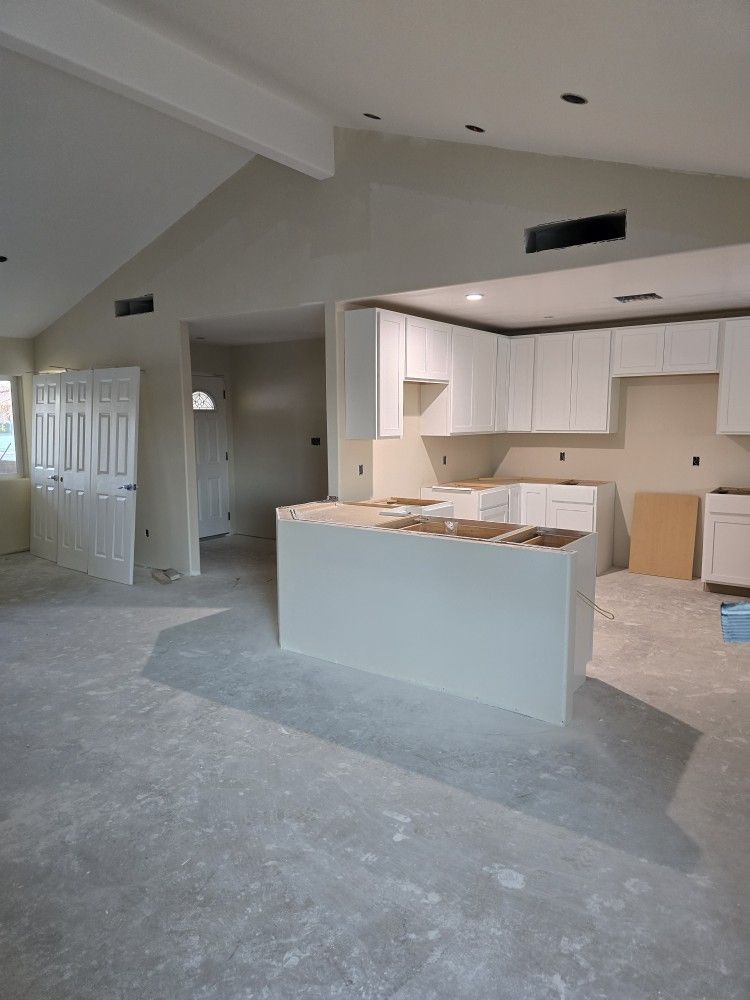
Modern Interior Finishing Process: From Design to Installation
A successful finishing project requires proper planning and coordination. Although the exact process depends on the property, most projects follow these stages.
Step 1: Consultation and Site Assessment
The process begins by understanding the property, the client’s requirements, the available budget and the expected completion date.
A site assessment helps identify existing conditions, measurements, access requirements and technical limitations.
Step 2: Space Planning and Design
The design stage establishes how the rooms will function and how the different finishes will work together.
This may include floor plans, furniture layouts, ceiling designs, lighting plans, colour selections and material specifications.
Step 3: 3D Visualisation and Material Selection
For projects that require detailed coordination, 3D renders can help clients understand the proposed interior before installation begins.
Material samples and finish boards can also help confirm colours, textures and combinations.
Step 4: Quotation and Project Scheduling
Once the scope is clear, the contractor prepares an itemised quotation showing the work, materials, quantities, labour, exclusions and expected programme.
Long-lead materials and specialist installations should be considered when preparing the schedule.
Step 5: Surface Preparation and Installation
The installation stage may include floor preparation, electrical coordination, ceiling framing, partitioning, wall treatments, tiling, painting, cabinetry and other finishing works.
The order matters. Concealed electrical and plumbing work should be coordinated before walls and ceilings are closed.
Step 6: Quality Inspection and Handover
The final stage involves checking the installed materials, alignment, joints, fittings, finishes and agreed scope.
Any outstanding issues should be recorded and addressed before handover. The client should also receive relevant care instructions and product information.
Why Choose Interior Finishes Kenya for Modern Interior Finishing?
Creating a modern interior involves more than selecting attractive materials. Flooring, ceilings, wall finishes, lighting, partitions and joinery need to work together as one coordinated design.
Interior Finishes Kenya provides residential and commercial interior design, finishing and fit-out services. The team works on projects ranging from individual room improvements to complete interior fit-outs.
Our services include:
- Wall finishes and feature walls: Decorative painting, wallpaper, timber panels, fluted panels, stone cladding and media walls.
- Flooring solutions: Ceramic and porcelain tiles, engineered timber, laminate, luxury vinyl, carpet and resin flooring.
- Gypsum ceilings: Flat, tray, cove, coffered and other ceiling designs with coordinated lighting.
- Interior fit-outs: Coordinated ceilings, partitions, flooring, lighting, joinery and installation.
- Office partitioning: Glass, aluminium, plasterboard and timber partition systems.
- Custom joinery: Kitchen cabinets, wardrobes, reception counters, TV units and storage solutions.
- Residential and commercial design: Interior planning for homes, offices, retail premises and hospitality spaces.
Our approach considers the intended use of the space, available budget, material performance and installation requirements.
Explore our interior design and finishing services to learn more about the available solutions.
Areas We Serve Across Kenya
Interior Finishes Kenya provides interior design, finishing and fit-out services across all 47 counties in Kenya. Our service coverage includes Nairobi, Kiambu, Machakos, Kajiado, Nakuru, Uasin Gishu, Mombasa, Kisumu, Nyeri, Meru, Kirinyaga, Murang’a, Nyandarua, Laikipia, Embu, Tharaka-Nithi, Kitui, Makueni, Kilifi, Kwale, Taita-Taveta, Tana River, Lamu, Garissa, Wajir, Mandera, Marsabit, Isiolo, Samburu, Turkana, West Pokot, Trans Nzoia, Elgeyo-Marakwet, Nandi, Baringo, Kericho, Bomet, Kakamega, Vihiga, Bungoma, Busia, Siaya, Homa Bay, Migori, Kisii, Nyamira and Narok.
Modern Interior Finishes in Nairobi
Within Nairobi and its surrounding areas, we serve clients in Westlands, Kilimani, Lavington, Kileleshwa, Karen, Runda, Muthaiga, Parklands, Riverside, Upper Hill, South C, South B, Lang’ata, Ruaka, Ruiru, Thika Road, Nairobi CBD, Embakasi, Syokimau and Athi River.
Modern Interior Finishes in Mombasa
Our services extend across Mombasa and surrounding areas, including Nyali, Bamburi, Shanzu, Mtwapa, Kizingo, Tudor, Likoni, Changamwe, Mombasa Island and Diani.
For projects in other locations across Kenya, contact our team to discuss your requirements, site assessment and service arrangements.
Request Modern Interior Finishing Services in Kenya
Are you planning to upgrade your home, office, hotel, restaurant or commercial property? Interior Finishes Kenya can help you explore suitable materials and coordinate the finishing work required for your space.
Whether you need modern wall panels, flooring, gypsum ceilings, custom cabinetry, glass partitions or a complete interior fit-out, our team can discuss your requirements and recommend a suitable project scope.
Contact Interior Finishes Kenya
- Address: Solar House, Fourth Floor, Nairobi, Kenya
- Phone: 0717 044 443 / 0739 255 050 / 0725 021 709
- Email: info@interiorfinishes.co.ke
- Website: https://interiorfinishes.co.ke/
- Contact page: Request a consultation
Frequently Asked Questions About Modern Interior Finishes in Kenya
1. What are the best modern interior finishes in Kenya?
Popular options include porcelain flooring, SPC and luxury vinyl flooring, decorative wall panels, fluted panels, gypsum ceilings, textured paint, modern kitchen cabinets, glass partitions and custom joinery. The best choice depends on the room, budget, maintenance requirements and intended use.
2. What are the latest modern wall finishes in Kenya?
Modern wall finishes include fluted panels, WPC panels, MDF decorative panels, wallpaper, textured paint, Venetian plaster, timber cladding and stone-inspired surfaces. These options can create feature walls in living rooms, bedrooms, offices, hotels and commercial spaces.
3. How much do modern interior finishes cost in Kenya?
The cost varies according to material, design, installation and project size. As an indicative guide, textured paint may cost KES 800–3,500 per m², Venetian plaster KES 2,500–12,000 per m², fluted panels KES 3,000–16,000 per m² and WPC wall panels KES 4,000–18,000 per m². Request a project-specific quotation for accurate pricing.
4. Which flooring is best for modern homes in Kenya?
Porcelain tiles, ceramic tiles, SPC flooring, luxury vinyl, laminate and engineered timber are common choices. Porcelain is useful in many high-traffic areas, while timber-look flooring can introduce warmth into bedrooms and selected living spaces. The right choice depends on moisture exposure, maintenance, foot traffic and installation conditions.
5. Are WPC wall panels suitable for modern homes?
WPC panels can be used for selected living room feature walls, bedroom accents and other decorative applications. However, suitability depends on the product’s composition, manufacturer specifications and installation environment. Do not assume every WPC product is suitable for continuous water exposure or every wet area.
6. What is the difference between modern interior design and interior finishing?
Interior design involves planning the layout, functionality, colours, lighting, furniture and overall appearance of a space. Interior finishing focuses on the materials and installation work that complete the surfaces and features, including flooring, painting, ceilings, wall treatments, partitions and cabinetry. The two activities often work together in a complete project.
7. Can modern interior finishes be installed during renovation?
Yes. Many finishes can be used in renovation projects, provided the existing surfaces are suitable. Decorative panels, new flooring, painting, ceiling upgrades and selected joinery can transform an existing interior. A site assessment is important to identify moisture, uneven surfaces and other issues before installation.
8. Which modern finishes are suitable for offices?
Offices can use commercial flooring, glass partitions, acoustic treatments, gypsum or mineral-fibre ceilings, decorative reception walls, custom workstations and suitable lighting. Material selection should consider foot traffic, privacy, cleaning, acoustics and workplace requirements.
9. How do I choose a modern interior finishing contractor in Kenya?
Review the contractor’s previous projects, material specifications, installation experience, quotation and project schedule. Request a written scope showing the materials, labour, exclusions and payment arrangements. A site assessment can help establish the actual work required.
10. Can I combine different modern interior finishing materials?
Yes. Combining materials can create a balanced and distinctive interior. For example, you can pair neutral painted walls with timber-look flooring, a fluted feature wall and a simple gypsum ceiling. Use a coordinated colour palette and avoid introducing too many competing textures.
Related Interior Design Services We Offer
Explore more services and practical guides to help plan your residential or commercial interior:
- Interior Design and Finishing Services in Kenya
- Interior Finishing Materials and Textures for Kenyan Homes
- Modern Home Design and Decoration Trends in Kenya
- Complete House Finishing Materials List and Prices in Kenya
- Residential Interior Design Services in Kenya
- House Renovation Services in Kenya
- Office Interior Design Services
- Aluminium Windows and Doors in Kenya
- Interior Design and Fit-Out Services
For professional advice on materials, installation and modern interior finishing, contact Interior Finishes Kenya through our official contact page.