Gypsum Ceiling Designs with LED Lights in Kenya: Modern Ideas and Costs
Gypsum ceiling designs with LED lights are a popular choice for modern homes, offices and commercial spaces in Kenya. They combine attractive ceiling shapes with practical lighting to create comfortable, well-organised and visually appealing interiors. Whether you are upgrading a living room, bedroom, apartment or office, the right combination of gypsum and LED lighting can transform the entire space.
Unlike ordinary ceiling lighting, integrated LED designs allow you to position light around ceiling borders, recessed sections, decorative panels and selected architectural features. For example, a tray ceiling with concealed LED strips can create a soft ambient effect, while recessed LED downlights provide focused illumination.
However, a successful design requires more than choosing attractive lights. You should consider the room dimensions, ceiling height, lighting requirements, electrical layout and available budget before installation.
This guide explores modern gypsum ceiling designs with LED lights, suitable lighting combinations, room-by-room ideas, estimated installation costs and important planning considerations in Kenya.
1. Modern Gypsum Ceiling Designs with LED Lights
There are several ways to combine gypsum ceilings with LED lighting. The best option depends on your preferred interior style, room size and lighting requirements.
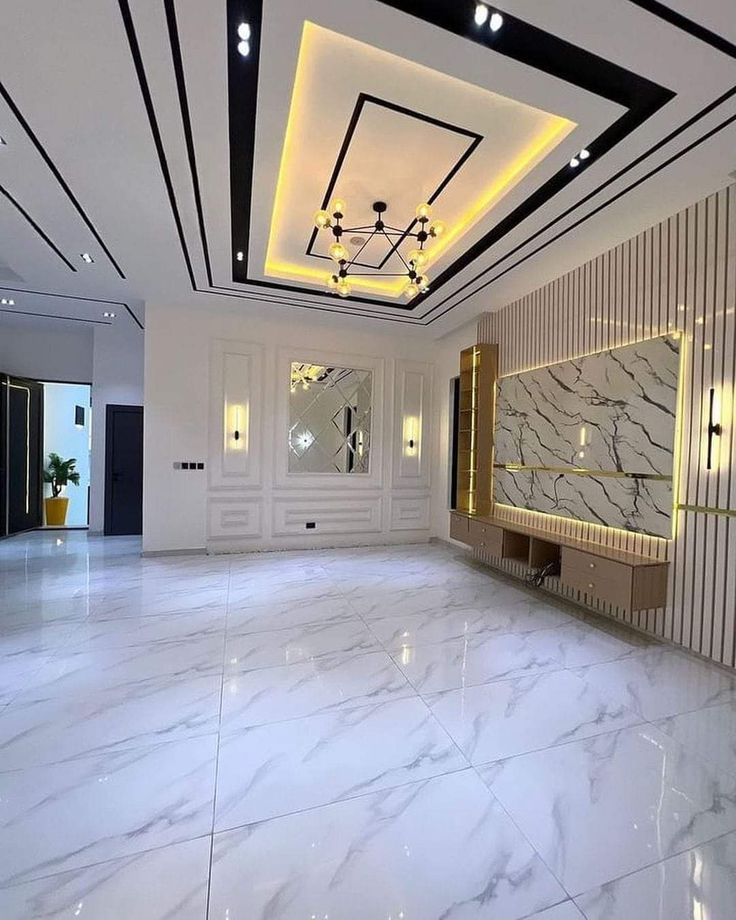
1.1 Tray Gypsum Ceiling with Concealed LED Lights
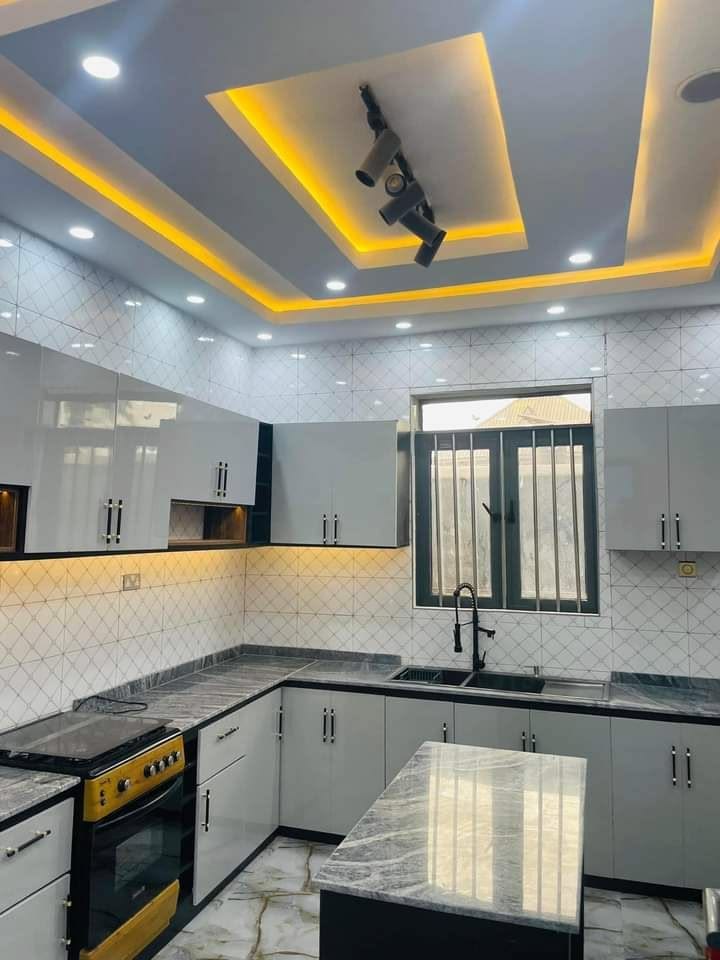
A tray ceiling features a central section that sits higher or lower than the surrounding ceiling border. Designers can install LED strips inside the recessed section to create a soft glow around the central area.
This design works particularly well in living rooms, dining rooms and master bedrooms. You can also add a chandelier or pendant light in the centre to create a focal point.
Why consider this design?
- Creates a layered ceiling appearance.
- Provides soft ambient lighting.
- Works with modern and contemporary interiors.
- Allows you to combine concealed lighting with a central light fitting.
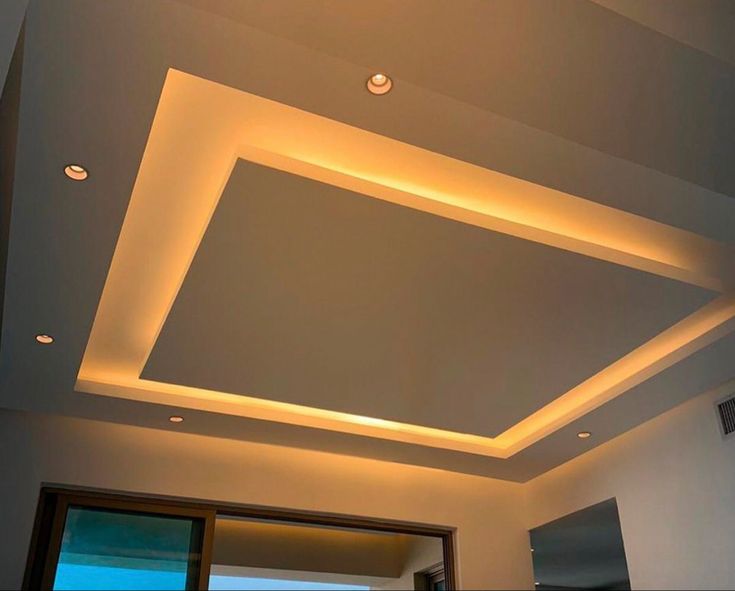
1.2 Floating Gypsum Ceiling with LED Backlighting
A floating gypsum ceiling creates the appearance of a suspended ceiling panel. Designers use a recessed gap around the panel to accommodate concealed LED strips.
The light creates a floating effect by illuminating the space between the main ceiling and the decorative panel. This arrangement can give a room a modern, clean appearance without requiring excessive decoration.
It works well in contemporary living rooms, bedrooms, reception areas and selected office interiors.
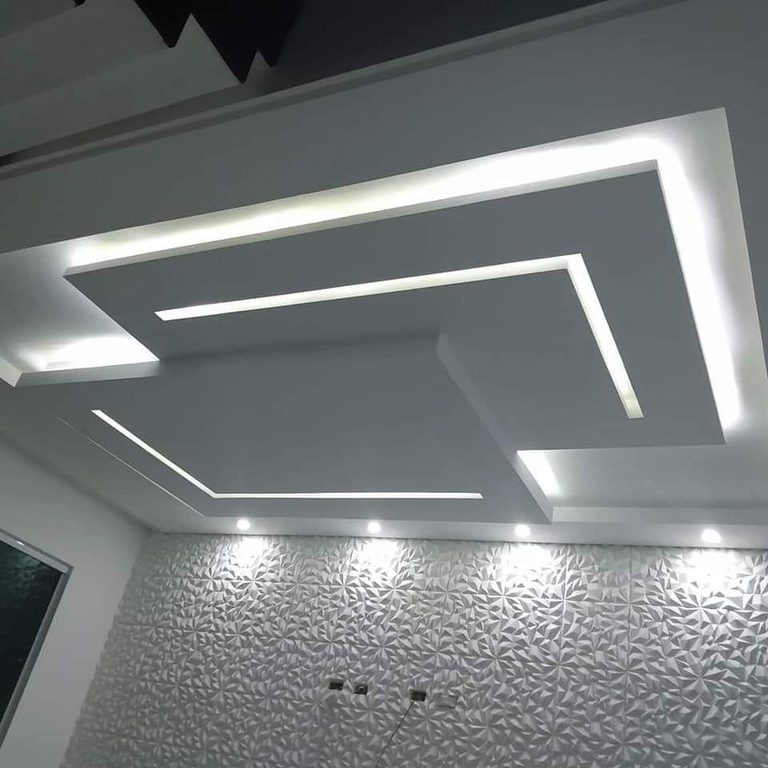
1.3 Stepped Gypsum Ceiling with LED Strip Lighting
Stepped ceilings feature two or more levels arranged around the ceiling perimeter or central section. LED strips can sit inside the recessed edges to highlight the different levels.
You can use this design to create a decorative border around a living room or define a particular section in an open-plan interior.
For smaller rooms, consider shallow steps instead of deep ceiling drops. This helps retain more of the available ceiling height.
1.4 Cove Gypsum Ceiling with Hidden LED Strips
Cove lighting uses a recessed channel to conceal LED strips. The light reflects off the ceiling or adjacent surfaces, producing a softer effect than a directly exposed light source.
This is one of the most versatile combinations because it can complement flat, stepped and tray gypsum ceilings.
Cove lighting works well in:
- Living rooms.
- Bedrooms.
- Hotel rooms.
- Reception areas.
- Boardrooms and selected office spaces.
When planning the design, make sure the LED strip sits inside a suitable channel and remains accessible for future maintenance.
1.5 Coffered Gypsum Ceiling with LED Accents
A coffered ceiling uses repeated recessed squares or rectangular sections. Designers can add LED strips inside selected recesses or around the outer ceiling border.
This arrangement creates a structured appearance and can suit large living rooms, executive offices, boardrooms and formal dining areas.
However, coffered ceilings require careful planning. The design may look crowded in a small room or one with limited ceiling height. Use simple patterns and restrained lighting where space is limited.
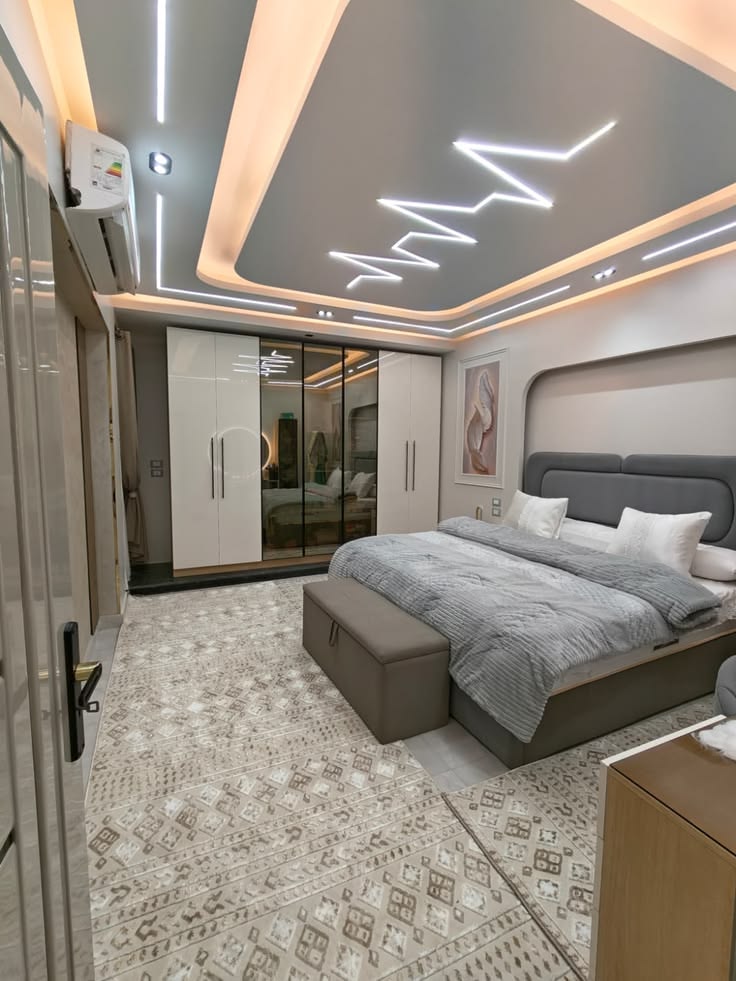
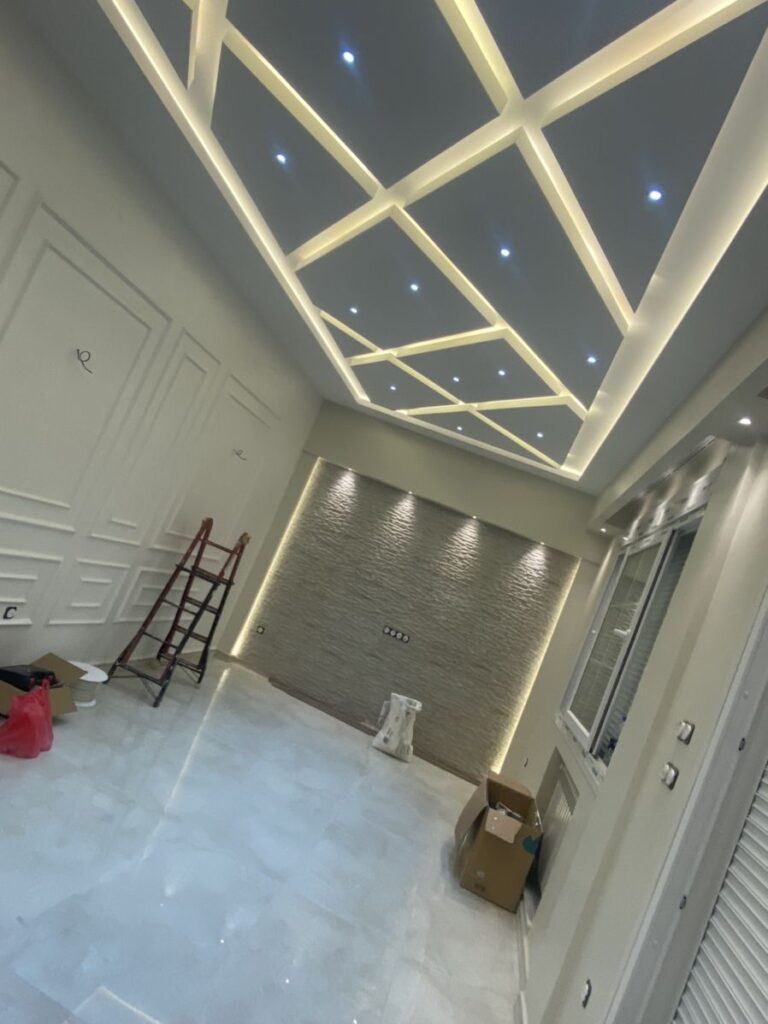
1.6 Geometric Gypsum Ceiling with LED Lighting
Geometric gypsum ceilings use shapes such as rectangles, squares, curves and angled patterns to create decorative ceiling features.
LED strips can follow selected lines or highlight the edges of the shapes. You can also combine the design with recessed downlights for general illumination.
This option suits contemporary homes, showrooms, reception spaces and modern commercial interiors.
1.7 Minimalist Gypsum Ceiling with Recessed LED Downlights
Not every modern ceiling needs multiple levels or decorative shapes. A simple flat gypsum ceiling can look attractive when paired with well-positioned recessed LED downlights.
The lights sit within the ceiling surface, creating a neat appearance. You can arrange them around the room perimeter, in rows or according to specific functional areas.
This design is suitable for apartments, bedrooms, offices, corridors and smaller living rooms.
1.8 Circular Gypsum Ceiling with LED Lighting
Circular ceiling designs use curved gypsum details to create a central decorative feature. Designers can place concealed LED strips around the circular shape and add a pendant light or chandelier in the centre.
This arrangement can work well above a dining table or in a spacious living room. However, the circular feature should complement the room layout rather than compete with other decorative elements.
1.9 Multi-Level Gypsum Ceiling with Different LED Zones
A multi-level ceiling combines several gypsum sections with different lighting arrangements. For example, a design may include perimeter cove lighting, recessed downlights and a central decorative light.
Separate lighting zones allow occupants to use different lighting combinations depending on the activity. However, the electrician and ceiling installer should coordinate the layout before construction begins.
This design generally suits larger spaces with enough ceiling height and a suitable project budget.
1.10 Gypsum Ceiling with Linear LED Lighting
Linear LED lighting creates clean lines across a ceiling. Designers can position the fittings within recessed gypsum channels or use suitable surface-mounted fittings.
This option works well in modern offices, corridors, kitchens, boardrooms and minimalist living spaces.
Linear lighting can also help define different areas in open-plan interiors without adding unnecessary decorative details.
2. Types of LED Lights Used in Gypsum Ceilings
Choosing the correct LED lighting is just as important as selecting the ceiling design. Different fittings create different effects, so consider how you intend to use each room.
LED Strip Lights
LED strips are flexible lighting products that can follow straight or curved ceiling details. Installers commonly place them inside concealed gypsum coves, perimeter recesses and floating ceiling gaps.
They are suitable for indirect ambient lighting and decorative ceiling effects.
Recessed LED Downlights
Recessed downlights sit inside ceiling openings and direct light downwards. They can provide general illumination or highlight selected areas.
For a balanced arrangement, consider the room size, fitting beam angle, spacing and required brightness before deciding how many lights to install.
Linear LED Lights
Linear fittings provide a continuous or visually connected lighting effect. They suit modern spaces that favour simple shapes and clean ceiling lines.
You can use them in offices, kitchens, corridors and contemporary reception areas.
LED Pendant Lights
Pendant lights hang from the ceiling and can act as decorative focal points. They work well in dining areas, reception spaces and selected living rooms.
A gypsum ceiling can include a suitable mounting point, but the support must match the fitting’s weight and installation requirements.
Smart LED Lighting
Smart lighting systems allow users to control compatible lights through supported switches, controllers or mobile applications.
Depending on the selected system, you may be able to adjust brightness, change lighting scenes or control separate zones. Plan the required wiring, compatible drivers and controls before closing the gypsum ceiling.
3. Gypsum Ceiling with LED Lighting Ideas for Different Rooms
The best ceiling and lighting combination depends on the room’s purpose. A living room may need flexible ambient lighting, while a kitchen requires more focused illumination.
Living Room Gypsum Ceiling with LED Lights
The living room is often one of the main areas where decorative ceiling lighting makes a difference.
Consider a tray ceiling with concealed LED strips, a floating centre panel or a stepped perimeter design. You can combine these features with recessed downlights to provide general illumination.
For open-plan living rooms, use lighting zones to distinguish the lounge and dining areas. However, keep the ceiling design consistent with the overall interior.
Bedroom Gypsum Ceiling with LED Lights
Bedrooms benefit from comfortable lighting that supports relaxation and everyday activities.
A shallow tray ceiling with warm LED cove lighting can create a calm atmosphere. Alternatively, a simple flat gypsum ceiling with recessed downlights may suit a minimalist bedroom.
For master bedrooms, consider a floating ceiling feature above the bed. Keep the lighting arrangement practical and avoid excessive brightness around sleeping areas.
Kitchen Gypsum Ceiling with LED Lights
Kitchen ceilings should combine attractive design with useful illumination.
A simple gypsum ceiling with recessed LED downlights can provide general lighting. You may also consider linear LED fittings for a clean contemporary appearance.
Remember that kitchen worktops need suitable task lighting. Ceiling lights alone may not illuminate every preparation area effectively.
Dining Room Gypsum Ceiling with LED Lights
A tray or coffered ceiling can help define the dining area. Combine concealed LED lighting with a suitable pendant fitting above the dining table.
Position the decorative light according to the table layout and ceiling height. The arrangement should provide sufficient illumination without obstructing movement or creating unnecessary glare.
Office Gypsum Ceiling with LED Lights
Modern offices need lighting that supports work activities and complements the overall interior.
Consider flat gypsum ceilings with recessed downlights, linear LED fittings or restrained perimeter cove lighting. Boardrooms may benefit from separate lighting zones for meetings and presentations.
The lighting design should also consider screen reflections, workstation positions and the room’s natural light.
Reception Area Gypsum Ceiling with LED Lights
A reception area creates the first impression for visitors. A floating gypsum panel with concealed LED strips can highlight the reception desk, while recessed lights provide general illumination.
You can also coordinate the ceiling design with branded feature walls, reception counters and waiting areas.
For professional reception planning, explore office reception design services.
4. Choosing the Right LED Lighting Colour
LED lighting colour influences the appearance and atmosphere of a room. The most suitable option depends on the room’s purpose and the finishes used in the interior.
Warm White Lighting
Warm white lighting creates a softer, warmer appearance. It can suit bedrooms, living rooms, hotel rooms and relaxation areas.
It also complements many wood finishes and warm interior colour schemes.
Neutral White Lighting
Neutral white lighting provides a balanced appearance between warm and cool tones. It can work well in kitchens, offices, dining areas and general living spaces.
Cool White Lighting
Cool white lighting creates a brighter, cooler appearance. It may suit selected work areas, utility spaces and commercial interiors where clear visibility is important.
However, the choice should depend on the actual activity and the overall lighting plan rather than appearance alone.
Should You Mix Different LED Colours?
You can use different lighting colours in separate rooms or zones. However, avoid combining too many colour temperatures in one small space without a clear design reason.
A coordinated lighting plan helps maintain consistency throughout the property.
5. How Much Do Gypsum Ceiling Designs with LED Lights Cost in Kenya?
The cost of gypsum ceiling designs with LED lights depends on the ceiling area, design complexity, gypsum materials, LED specifications, electrical work and finishing requirements.
For initial budgeting, the following are indicative planning ranges based on published Kenyan gypsum ceiling cost guides. They are not guaranteed quotations.
| Ceiling design | Indicative cost per m² |
|---|---|
| Plain gypsum ceiling | KES 1,000–1,500 |
| Simple modern gypsum ceiling | KES 1,500–2,500 |
| Stepped or bulkhead ceiling | KES 2,000–3,500+ |
| Feature ceiling with LED cove lighting | KES 2,500–4,500+ |
| Complex premium gypsum ceiling | KES 4,000–6,000+ |
These rates do not automatically include every lighting component. Ask whether the quotation covers LED strips, drivers, downlights, wiring, switches, dimmers, painting and installation.
Example: Budgeting for a 20 m² Ceiling
Suppose your living room has a ceiling area of 20 square metres and you prefer a feature design with concealed LED lighting.
At an indicative rate of KES 2,500–4,500+ per m², the estimated ceiling budget would be:
- Lower estimate: 20 × KES 2,500 = KES 50,000.
- Upper estimate: 20 × KES 4,500 = KES 90,000+.
This is a preliminary ceiling estimate. The final quotation may increase if the lighting equipment, electrical installation, painting or other finishing work falls outside the quoted rate.
Factors That Affect the Cost
1. Ceiling area: Larger rooms require more gypsum boards, framework materials and installation labour.
2. Design complexity: Curved, geometric, stepped and multi-level designs usually require more setting-out and finishing work.
3. LED specifications: Strip quality, brightness, colour temperature, drivers and controls affect the lighting budget.
4. Number of lighting points: Additional downlights, pendant points and separate lighting zones can increase electrical work.
5. Finishing requirements: Jointing, skimming, sanding and painting contribute to the overall project cost.
6. Existing ceiling conditions: Repairs, electrical changes and removal of old ceiling materials may add to the project scope.
7. Accessibility: Room height, working conditions and access to the installation area can affect labour requirements.
6. Important Considerations Before Installing LED Gypsum Ceilings
Good planning helps prevent unnecessary changes after installation.
Check the Available Ceiling Height
Layered gypsum ceilings can reduce the usable ceiling height. Before selecting a design, measure the existing ceiling and establish how much space the proposed framework will require.
For apartments and smaller rooms, shallow perimeter details or flat ceilings with recessed lights may be more practical.
Plan the Lighting Layout Before Installation
Decide where the LED strips, downlights, pendant fittings and switches will go before the installers close the ceiling.
This allows the electrician and ceiling team to coordinate their work and reduces the need for later alterations.
Select Suitable LED Drivers
LED strips require compatible power supplies or drivers. The correct specification depends on the selected lighting product and installation arrangement.
The installation team should also consider suitable access for maintenance or replacement.
Consider Dimming and Lighting Controls
Dimmers can help adjust compatible lighting to different activities. However, not every LED strip or fitting works with every dimmer.
Confirm compatibility between the LED products, drivers and controls before purchasing.
Allow for Heat Management and Maintenance
LED products and their power supplies need to operate within their specified conditions. The design should provide suitable installation space and access for maintenance.
Avoid permanently sealing components that may require inspection or replacement.
Coordinate the Ceiling with Other Interior Features
The ceiling should complement the floor, walls, furniture and overall interior design.
For example, a heavily decorated ceiling may compete with an elaborate feature wall. A simpler ceiling may create a better balance.
7. Common Mistakes to Avoid
A good-looking ceiling can still become inconvenient if the lighting and construction details receive insufficient attention.
Avoid these common mistakes:
- Choosing a complex design without checking the available ceiling height.
- Installing too many LED strips and downlights.
- Planning electrical connections after completing the ceiling.
- Selecting incompatible LED drivers and dimmers.
- Ignoring access for maintenance.
- Using lighting that creates glare or uneven illumination.
- Choosing a ceiling design that clashes with the room’s interior.
- Failing to confirm what the installation quotation includes.
A coordinated design, electrical and installation plan helps avoid many of these problems.
8. Our Gypsum Ceiling Design and Installation Process
A structured installation process helps ensure that the ceiling design and lighting work together.
Step 1: Initial Consultation
The team discusses your preferred ceiling style, room requirements, lighting needs and available budget.
Step 2: Site Assessment and Measurements
The installation team assesses the room, measures the ceiling area and reviews existing conditions.
Step 3: Design and Lighting Plan
The proposed ceiling layout identifies the gypsum details, LED positions, downlights, pendant points and lighting zones.
Step 4: Material and Lighting Selection
The project team selects suitable gypsum materials, framework components, LED products and related electrical accessories.
Step 5: Framework and Gypsum Installation
The installers prepare the supporting framework and fix the gypsum boards according to the approved design.
Step 6: Electrical and LED Installation
The electrician installs the planned lighting components, drivers, connections and controls in coordination with the ceiling work.
Step 7: Finishing and Inspection
The team completes jointing, surface preparation and painting where included. They then inspect the ceiling and test the lighting arrangement.
9. Why Choose Professional Gypsum Ceiling Installation?
Gypsum ceiling projects involve several connected activities, including design, measurements, framing, board installation, electrical coordination and finishing.
Working with an experienced interior design and fit-out team can help you coordinate these activities from the planning stage.
At Office Interiors, we focus on creating functional and well-coordinated interior spaces. Our approach considers the room layout, ceiling design, lighting requirements and other interior finishes when planning a project.
Whether you are improving an office, reception area, boardroom or commercial space, a coordinated design can help create a consistent final appearance.
10. Areas We Serve Across Kenya
We provide interior design and fit-out solutions across Kenya, subject to project assessment and availability. Our service coverage includes Nairobi, Mombasa, Kiambu, Murang’a, Nyeri, Kirinyaga, Nyandarua, Kilifi, Kwale, Tana River, Lamu, Taita-Taveta, Machakos, Kitui, Makueni, Embu, Tharaka-Nithi, Meru, Isiolo, Marsabit, Garissa, Wajir, Mandera, Kisumu, Siaya, Homa Bay, Migori, Kisii, Nyamira, Nakuru, Uasin Gishu, Elgeyo-Marakwet, Nandi, Baringo, Laikipia, Narok, Kajiado, Kericho, Bomet, Samburu, Turkana, West Pokot, Trans Nzoia, Kakamega, Vihiga, Bungoma and Busia.
In Nairobi, we serve areas including Nairobi CBD, Westlands, Upper Hill, Kilimani, Kileleshwa, Lavington, Parklands, Riverside, Gigiri, Runda, Karen, Muthaiga, Spring Valley, Rosslyn, Ridgeways, Ngara, Hurlingham, South C, South B, Lang’ata, Industrial Area, Embakasi, Donholm, Umoja, Kasarani, Roysambu, Zimmerman, Kahawa West, Kahawa Sukari, Garden Estate, Thome, Thika Road and Mombasa Road.
In Mombasa and the surrounding areas, our coverage includes Mombasa Island, Nyali, Bamburi, Shanzu, Kizingo, Tudor, Ganjoni, Likoni, Changamwe, Kisauni, Mtwapa, Diani, Ukunda, Miritini, Port Reitz, Jomvu, Mkomani, Kongowea, Mwembe Tayari and Majengo.
11. Related Interior Design Services
Explore other interior design and fit-out solutions that can complement your ceiling project:
- Office Interior Design and Fit-Out – Professional office layouts, finishes and complete workspace improvements.
- Commercial Interior Design – Interior planning and fit-out solutions for business environments.
- Interior Finishes – Flooring, wall finishes, ceilings and other interior finishing solutions.
- Renovation Services – Interior renovation and property improvement projects.
- SUIMAS Interior Design – Interior design, project planning and fit-out solutions.
12. Contact Office Interiors for Gypsum Ceiling Designs with LED Lights
Planning to install a modern gypsum ceiling with LED lights? Office Interiors can help you plan a ceiling design that complements your space, lighting requirements and overall interior.
Contact our team to discuss your project, arrange an assessment and request a quotation.
Phone: 0717 044 443 | 0739 255 050 | 0725 021 709
Email: info@interiordesigners.co.ke
Website: OfficeInteriors.co.ke
Location: Nairobi CBD
Frequently Asked Questions
1. Which gypsum ceiling design is best with LED lights?
Tray, stepped, floating and cove gypsum ceilings work particularly well with concealed LED strips. However, a simple flat gypsum ceiling with recessed LED downlights can also create a modern appearance.
2. How much does a gypsum ceiling with LED lights cost in Kenya?
A feature gypsum ceiling with cove lighting has an indicative planning range of KES 2,500–4,500+ per m². Complex premium designs may cost KES 4,000–6,000+ per m². Confirm whether LED strips, drivers, wiring, downlights and painting are included.
3. Can I install LED strip lights in an existing gypsum ceiling?
It may be possible, depending on the ceiling structure, available space, wiring and access. Some installations require additional channels or alterations. A site assessment can establish the most suitable option.
4. Are LED strip lights better than recessed downlights?
They serve different purposes. LED strips often provide indirect ambient or decorative lighting, while recessed downlights provide more direct illumination. Combining both can create a flexible lighting arrangement.
5. Which LED colour is best for a living room?
Warm white can create a relaxed atmosphere, while neutral white provides a more balanced appearance. The best option depends on your preferred ambience, furniture and interior finishes.
6. Can I use LED lights in a small room?
Yes. A small room can use a simple gypsum ceiling with a shallow LED cove or a few well-positioned recessed lights. Avoid deep ceiling drops that unnecessarily reduce the available height.
7. Can gypsum ceilings accommodate smart LED lighting?
Yes, provided the selected LED products, drivers, controls and electrical layout support the intended system. Plan the installation before closing the ceiling.
8. How long does gypsum ceiling installation take?
The duration depends on the ceiling area, design complexity, site conditions, electrical work and finishing requirements. A simple room may take less time than a large multi-level project with several lighting zones. Request a project-specific timeline before work begins.
9. Can I combine LED strips with a chandelier?
Yes. A tray or stepped gypsum ceiling can combine concealed LED strips with a central chandelier or pendant light. The ceiling support and electrical points should suit the selected fitting.
10. Do gypsum ceilings with LED lights require maintenance?
They require occasional inspection and cleaning. LED strips, drivers and other electrical components may need attention or replacement over time. A well-planned design should allow access to components that require maintenance.