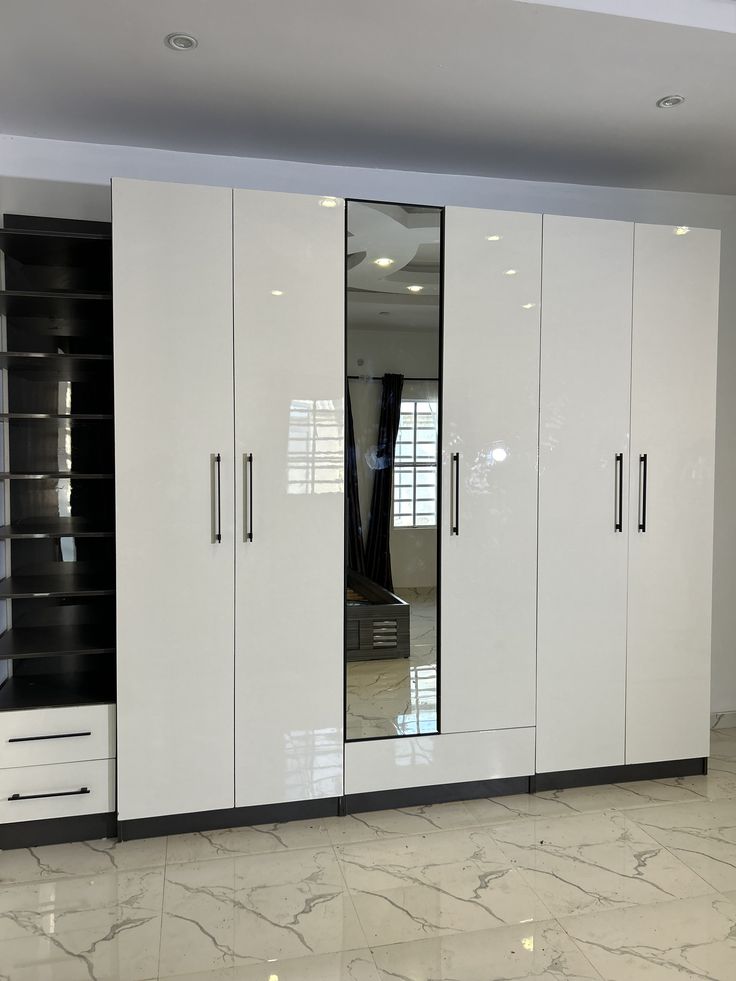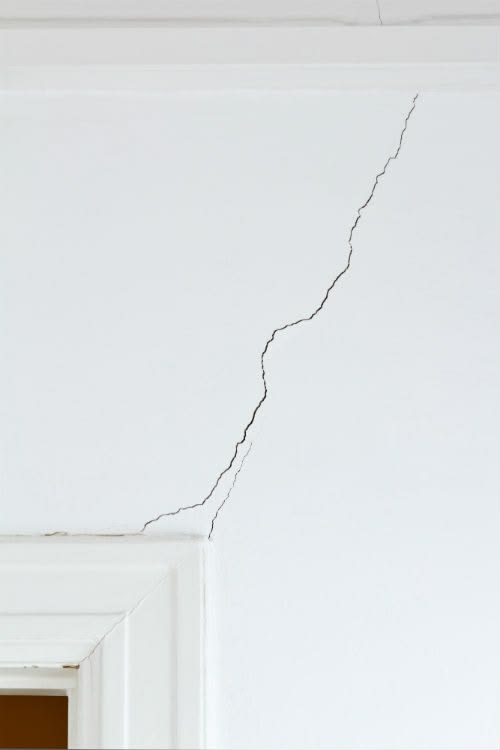
Gypsum ceilings can provide a smooth, modern finish, but cracks may appear around board joints, corners, light fittings or wall junctions after installation. Some are minor finishing defects, while others may indicate movement, moisture or problems with the supporting framework.
The correct repair depends on identifying the cause. Applying filler and repainting without investigating the problem may only hide the crack temporarily. Interior Finishes Kenya offers gypsum solutions and helps fix cracks.
1. Poor Joint Treatment
Gypsum boards meet at joints that must be finished using suitable jointing materials and the correct installation process. Cracks may develop when joint tape is omitted, incorrectly embedded, or covered with an unsuitable amount of compound.
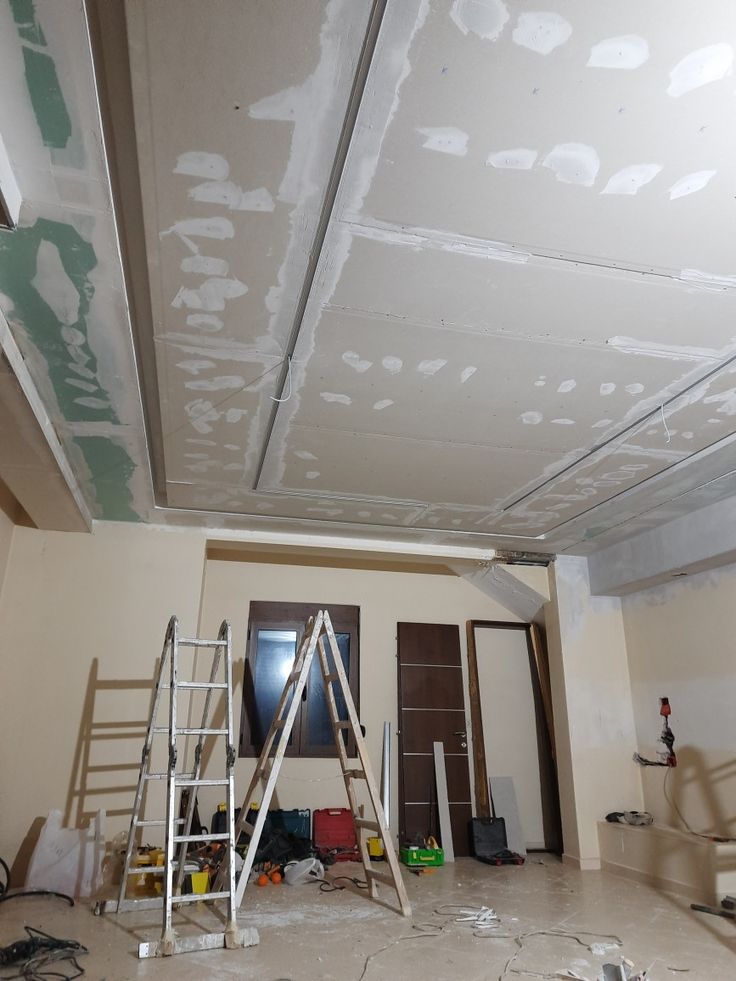
How to fix it: For a stable, localised joint crack, a repair may involve removing loose material, reapplying suitable joint tape and compound, allowing the repair to dry, sanding it smooth and repainting. The installer should first confirm that the boards and framing are stable.
2. Movement in the Ceiling Framework
An inadequately supported frame, incorrect fixing spacing or loose connections can allow boards to move. That movement can cause recurring cracks, visible fastener marks or uneven ceiling sections.
How to fix it: Inspect the supporting framework and fixings before patching the surface. If movement is the underlying cause, the affected support or installation may need correction. Simply filling the crack will not stabilise the ceiling.
3. Building Movement and Structural Changes
Minor movement in a building can show up at ceiling joints, especially where different materials meet. Larger or widening cracks may require more careful investigation.
How to fix it: Observe whether the crack is isolated or accompanied by other signs, such as wall cracks, doors that no longer close properly, or visible ceiling movement. If cracks are widening, recurring or associated with structural concerns, obtain an assessment from an appropriately qualified professional before cosmetic repairs.
4. Moisture and Water Leaks
Roof leaks, plumbing leaks and persistent dampness can weaken gypsum boards, damage joint finishes and cause staining or sagging.
How to fix it: Identify and repair the source of water first. Allow the affected area to dry and assess the board and framing. Water-damaged, softened or sagging boards may need replacement rather than surface patching. Repainting before the leak is fixed can allow stains and damage to return.
5. Incorrect Installation or Unsuitable Materials
Cracks may also result from unsuitable board selection, poor fixing practices, inadequate preparation or jointing materials used outside their intended application.
How to prevent recurrence: Confirm the board specification, framework, fixing method and finishing system before work begins. Materials should be compatible with the site conditions, and installers should follow the relevant product instructions.
How to Tell Whether a Crack Needs Repair or Replacement
| What you notice | Possible issue | Sensible next step |
|---|---|---|
| Fine crack along one joint | Jointing or local movement | Inspect stability, then repair the joint if appropriate |
| Crack that returns after repair | Movement or unresolved installation defect | Investigate the underlying cause |
| Brown or yellow staining | Possible water ingress | Trace the leak before repainting |
| Soft, swollen or sagging board | Moisture damage or support failure | Keep clear of the affected area and arrange an assessment |
| Wide or rapidly growing cracks | Potentially more serious movement | Seek a qualified assessment before cosmetic work |
This table is a practical guide, not a definitive diagnosis. A site inspection is needed where the cause is uncertain.
How to Reduce the Risk of Future Cracks
Use an experienced installer like Interior Finishes Kenya, ask your trusted foreman to check the ceiling framework before boards are closed in and ensure joints are finished correctly. Resolve roof or plumbing leaks before installation, and plan access to concealed services where maintenance may be needed.
For new installations, agree on the ceiling design, board specification, framework, joint treatment, painting scope and lighting cut-outs in advance. Good coordination reduces the risk of damage when electrical work or other trades return to the ceiling.
Interior Finishes Kenya offers gypsum ceiling services and interior finishing solutions. For existing defects, provide photographs and describe when the cracks first appeared, whether they are spreading, and whether there has been any water leakage.
Request a Ceiling Assessment
Call/WhatsApp: 0717 044 443 / 0700 775521 Email: info@interiorfinishes.co.ke Get a quote: https://interiorfinishes.co.ke/get-a-quote
Related Post Resources
- Gypsum Ceiling Services
- Gypsum Ceiling Installation Cost in Kenya
- Modern Ceiling Finishes for Homes and Offices in Nairobi
- Wall Finishes and Feature Walls
- Flooring Solutions
- Ceiling Finishes Explained: Gypsum, Paint, Special Effects
- Interior Finishes Cost Guide for Nairobi
- Interior Finishes Projects
- Wallpaper vs Paint: When Wallpaper Is the Better Interior Finish
- Building Renovation Services — SUIMAS
- Gypsum Ceiling Designs for Modern Kenyan Homes
- Cost of Full House Interiors in Kenya — SUIMAS
- How Much to Budget for a Complete Home Interior Makeover
- Choosing the Right Combination of Gypsum, Paint, Tiling and Flooring