A holiday home in Kilifi should feel relaxed, welcoming and easy to maintain. Whether the holiday home is a second home or a property intended for holiday stays, the interior must withstand coastal humidity, sand, frequent cleaning and periods when the house is unoccupied.
The best approach is to select finishes that combine comfort with durability. Flooring, wall treatments, cabinetry, lighting and outdoor areas should be planned together so the property looks cohesive without creating unnecessary maintenance.
Interior Finishes Kenya coordinates residential finishes and fit-outs, including projects beyond Nairobi. For a Kilifi property, the specification should take account of the coastal climate, the building’s condition and how frequently the home will be used.
1. Start With the Property and Its Intended Use
Before choosing tiles or furniture, establish whether the property is a private family retreat, a frequently occupied second home or a holiday rental.
A family home may prioritise personal comfort and storage. A rental property may need hard-wearing surfaces, easy cleaning and furniture that can withstand frequent guest turnover.
During the initial assessment, check for dampness, roof leaks, ventilation problems, damaged plaster and signs of corrosion. These issues should be addressed before decorative finishes are installed. Coastal conditions can accelerate the deterioration of unsuitable materials, so choosing attractive finishes alone is not enough.
2. Choose Flooring That Handles Sand and Portrays Comfort
Flooring is one of the most important decisions in a coastal home. Sand can scratch delicate surfaces, while wet feet and spills can make unsuitable floors slippery.
Porcelain and ceramic tiles
Porcelain tiles are a strong option for living rooms, kitchens, corridors and selected outdoor areas. They are available in stone, timber and neutral concrete effects, making it possible to create a relaxed coastal look without using natural timber throughout the property.
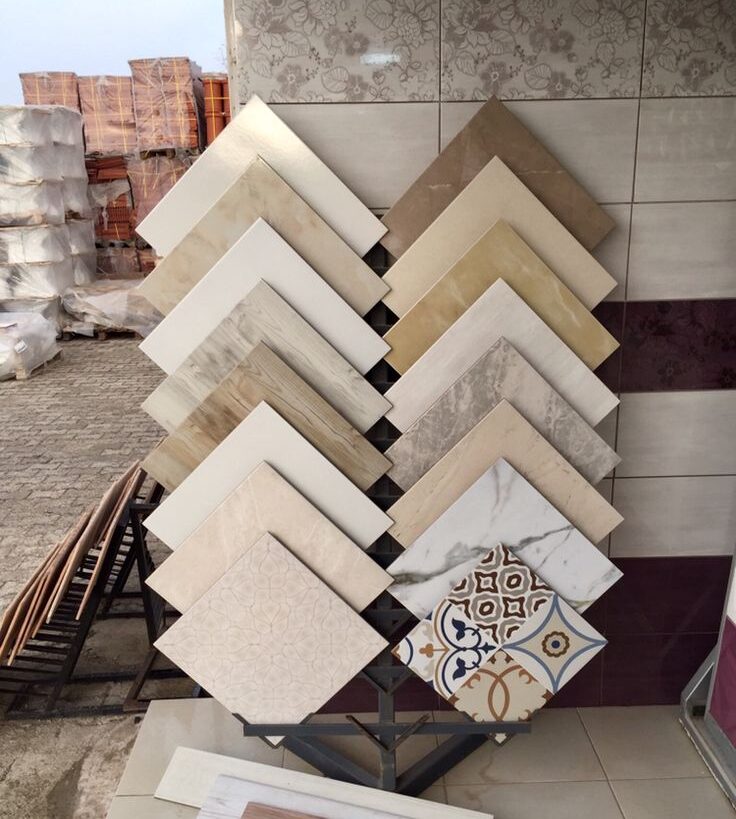
Choose a suitable slip-resistant finish in entrances, bathrooms and covered outdoor areas. The tile, adhesive, grout and installation method must all be appropriate for the location.
SPC and other resilient flooring
SPC flooring may suit selected dry interior spaces where a wood-look finish is desired. Check the manufacturer’s instructions for temperature, moisture exposure, substrate preparation and installation. Do not assume every SPC product is suitable for wet rooms or exposed outdoor areas.
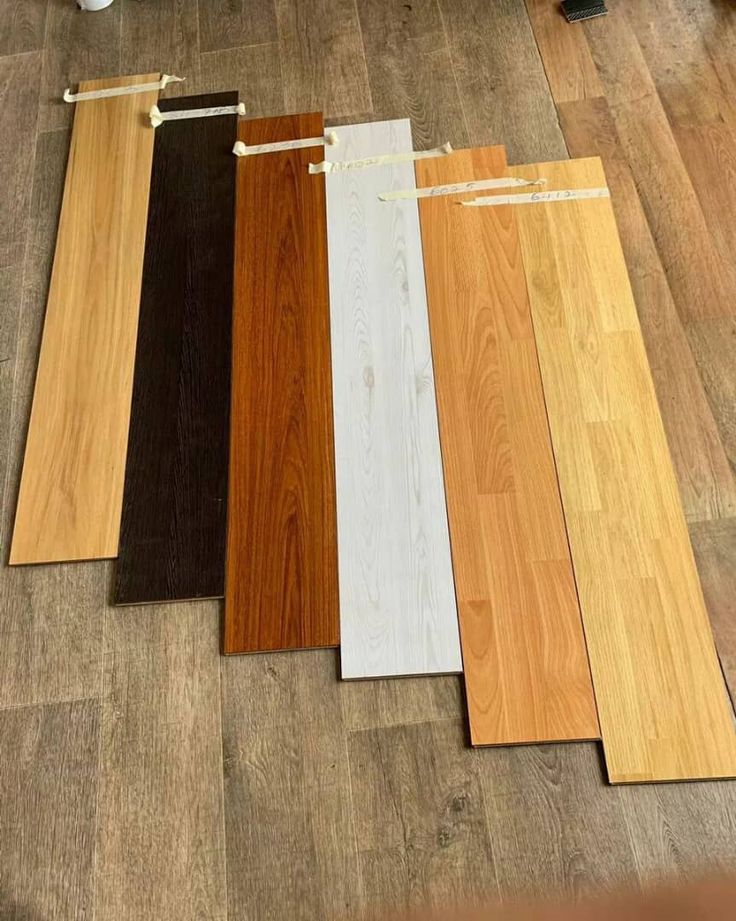
Create a practical entrance
Provide a suitable place to remove sandy footwear and store beach accessories. A well-planned entrance helps reduce the amount of sand carried into bedrooms and living areas.
3. Select Wall Finishes for Coastal Conditions
A coastal interior can look fresh without covering every wall in decorative panels or expensive finishes.
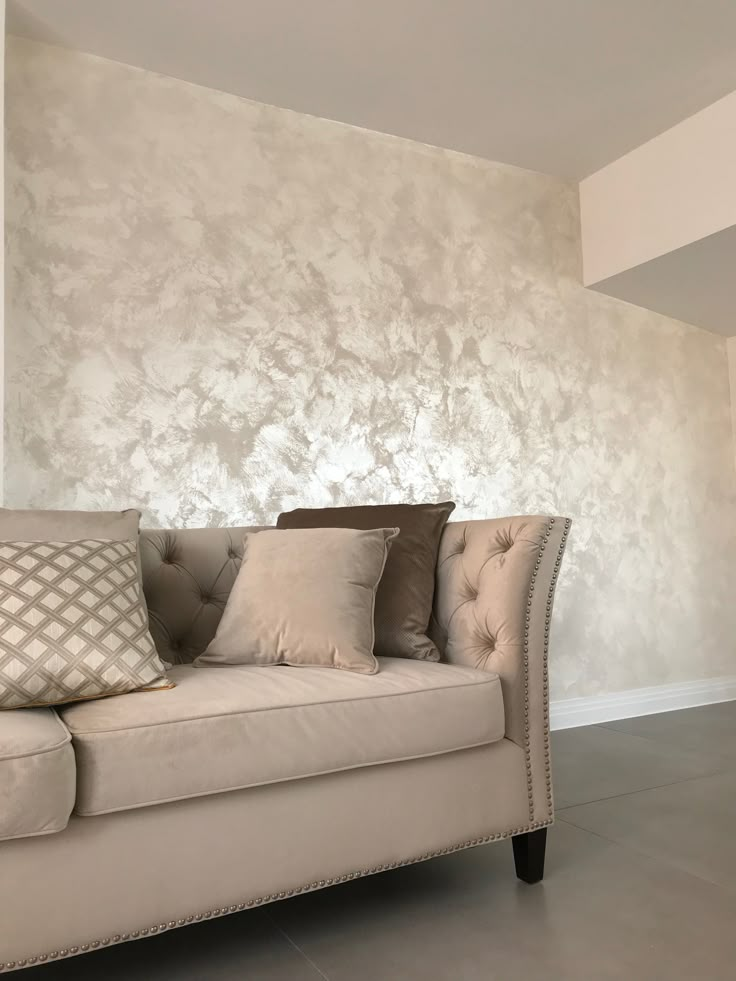
Washable interior paint in warm whites, soft sand tones, pale greys and muted greens can create a calm atmosphere. Feature walls can introduce timber-look panels, textured finishes or carefully selected decorative materials.
However, wall finishes should only be installed after the underlying surface has been checked for dampness and salt-related deterioration. Paint and decorative panels will not solve a moisture problem behind the wall.
For exposed or humid areas, select products suited to the actual conditions and ensure ventilation is adequate. Where wall cladding is used, consider how its joints, edges and concealed surfaces will be cleaned and maintained.
4. Plan Kitchen and Bedroom Joinery Carefully
Kitchen cabinets, wardrobes and vanity units need particular attention in coastal homes.
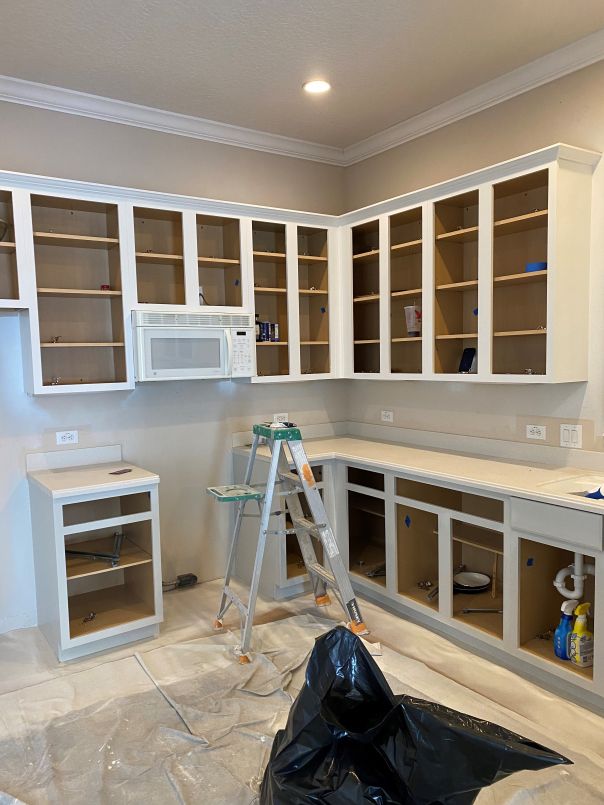
Choose board products, finishes and edge treatments suitable for their intended environment. Protect exposed edges, seal joints properly and avoid leaving cabinet bases vulnerable to standing water.
Marine-grade or moisture-resistant materials may be appropriate in selected locations, but the exact specification should be confirmed with the supplier. No cabinet board should be treated as immune to leaks or persistent dampness.
In bedrooms, built-in wardrobes can improve storage and reduce clutter. Use durable hinges and drawer runners, and consider how the doors and hardware will withstand regular use.
For holiday rentals, choose furniture with replaceable components and finishes that are easy to clean rather than delicate surfaces that require specialist maintenance.
5. Use Layered Lighting to Create a Relaxed Atmosphere
A holiday home needs different lighting for cooking, reading, dining and relaxing in the evening.
- General lighting: Recessed downlights or other suitable fittings provide everyday illumination.
- Ambient lighting: Concealed LEDs or wall lights create a softer atmosphere.
- Task lighting: Focused lights help with kitchen preparation, reading and other activities.
- Decorative lighting: Pendants and selected feature fittings add character to dining and living areas.
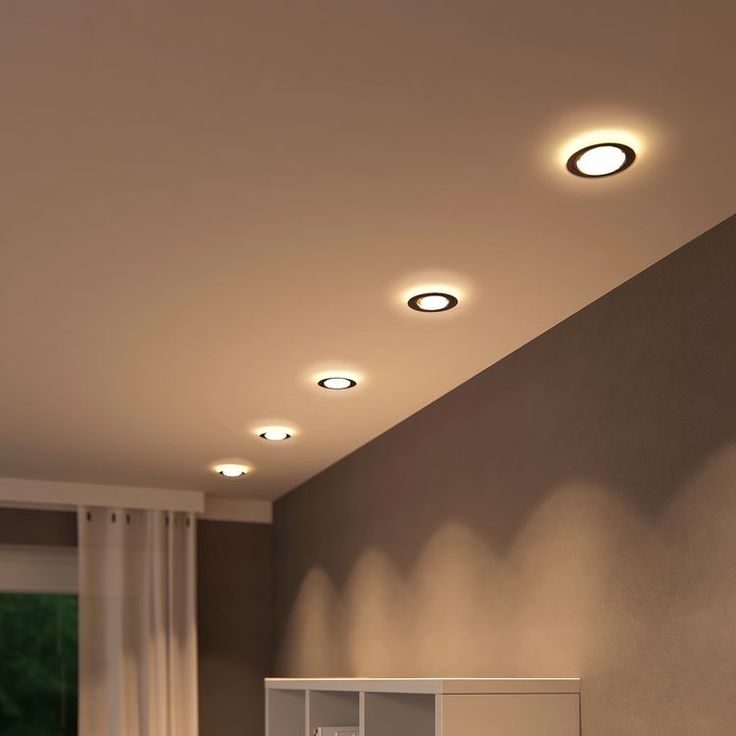
Warm-white lighting can complement sand, timber and natural-stone colours. Use appropriate fittings for humid or exposed locations, and confirm their suitability for the environment.
Plan the wiring and fitting positions before closing ceilings or installing custom joinery. Allow access to components that may need maintenance.
6. Make Indoor-Outdoor Living Feel Natural
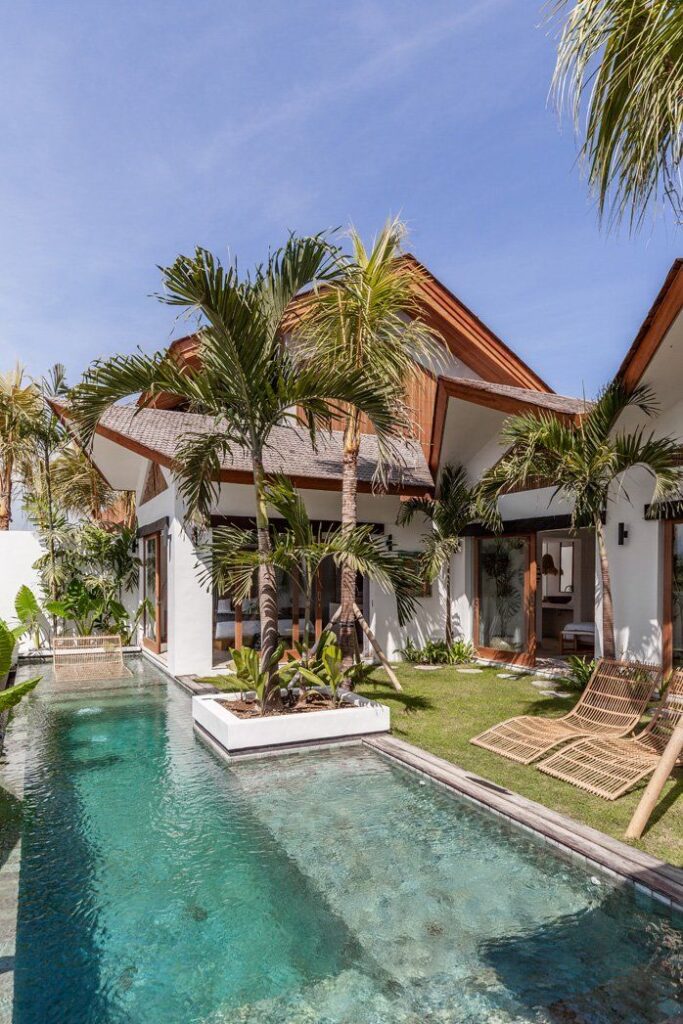
One of Kilifi’s attractions is the opportunity to connect interior spaces with gardens, verandas, terraces and outdoor dining areas.
Where the building layout allows, create a clear transition between indoor living areas and covered outdoor spaces. Consider large openings, suitable doors, shaded seating and durable flooring transitions.
The design should also manage rain, direct sunlight, insects and water entering the home. Outdoor furniture, hardware and finishes should be selected for their exposure conditions rather than simply matching the indoor palette.
Use a consistent material and colour scheme across the transition, but choose products rated for their actual installation location.
7. Design for Easy Maintenance When the Home Is Empty
A second home may remain closed for weeks or months. Choose finishes that are easy to inspect, clean and repair.
Prioritise accessible plumbing shut-offs, sensible ventilation, durable surfaces and straightforward lighting systems. If the property is rented, provide simple instructions for cleaning, appliance use and reporting leaks.
Avoid unnecessary decorative features that trap dust or make repairs difficult. A restrained, well-coordinated interior often remains attractive longer than one that relies on many delicate finishes.
Interior Finishes Kenya for Holiday Homes Beyond Nairobi
Interior Finishes Kenya helps coordinate flooring, wall treatments, ceilings, lighting, joinery and related finishes for residential properties. For a holiday home in Kilifi, the project scope should be developed around coastal exposure, maintenance requirements, the intended occupants and the available budget.
SUIMAS Interiors also offers residential interior design and renovation services for clients considering a broader design-and-build scope.
Request a Holiday Home Finishes Consultation
Share your property location, approximate size, photographs and intended use to discuss the appropriate finishing scope.
Call/WhatsApp: 0717 044 443 / 0739 255 050 / 0725 021 709
Email: info@interiorfinishes.co.ke
Get a quote: Interior Finishes Kenya
Related Post Resources
- Interior Finishes for a Holiday Home in Naivasha
- Best Kitchen Countertop Materials
- Residential Interior Finishing Contractors in Lavington
- Flooring Solutions
- Wall Finishes and Feature Walls
- Gypsum Ceiling Services
- Interior Finishes Projects
- Cost of Tiling a 2-Bedroom Apartment in Nairobi
- Best Non-Slip Bathroom Tiles in Kenya
- Wall Cladding for Modern Homes in Kenya
- Residential Interior Design Trends in Kenya — SUIMAS
- Mkeka wa Mbao vs Tiles
- Complete Home Interior Makeover Budget — SUIMAS
- Building Renovation Services in Kenya
- Bathtub Installation Services and Prices