SPC flooring, short for stone plastic composite, is a rigid luxury vinyl flooring product made with a mineral-rich core. It is popular in homes and offices because it is water-resistant, stable and available in realistic wood and stone-inspired designs. SPC flooring can be a practical alternative to timber, laminate or tiles in selected spaces. However, the right product depends on the room, subfloor condition, traffic level and installation requirements.
Interior Finishes Kenya supplies and installs different flooring systems, including luxury vinyl, laminate, timber, tile, carpet and resin flooring.
1. What Is SPC Flooring?
SPC flooring is commonly supplied as rigid planks with a click-lock installation system. Its construction generally includes a decorative layer, wear layer and rigid core.
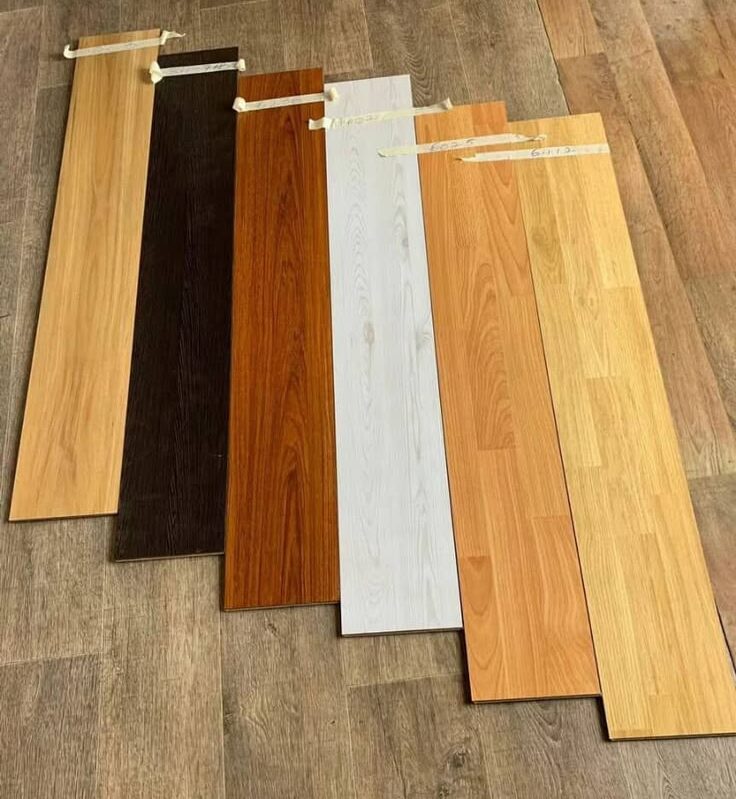
The flooring is designed to provide the appearance of timber or stone while offering a practical surface for everyday use.
Common applications include:
- Bedrooms and living rooms.
- Apartments and rental properties.
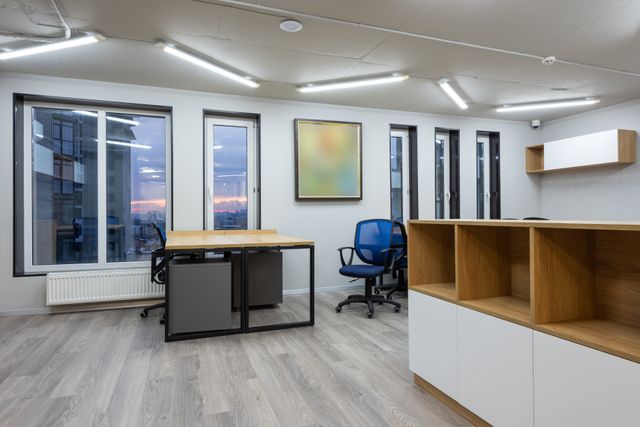
- Offices and workspaces.
- Retail spaces.
- Selected kitchens and other areas where water resistance is useful.
SPC should still be installed according to the manufacturer’s requirements. Water resistance does not mean that the floor can compensate for leaks, standing water or a poorly prepared subfloor.
2. SPC Flooring Prices in Kenya
Based on the supplied project notes, SPC vinyl plank flooring material may cost approximately KES 1,200–2,400 per m², depending on thickness, wear layer, design and supplier.
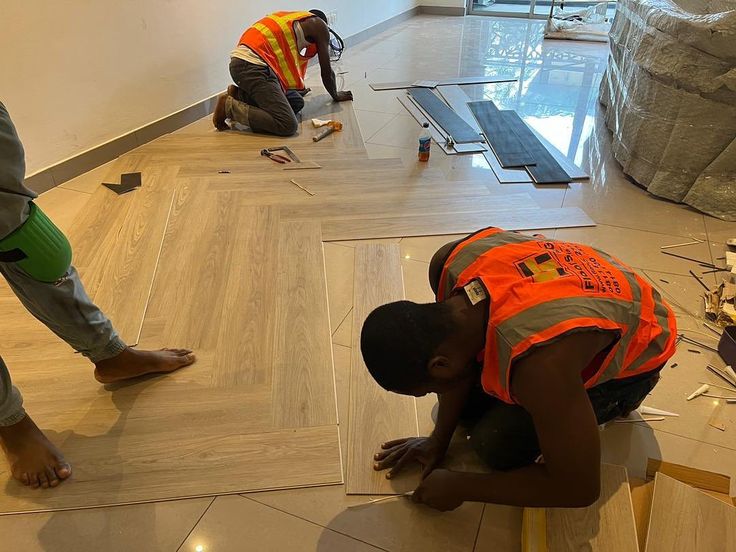
Installation, trims, underlay where required and subfloor preparation may be charged separately.
The final quotation depends on:
- Total floor area.
- Product specification and wear layer.
- Subfloor levelling and repairs.
- Skirting and transition strips.
- Door-frame and edge details.
- Delivery and installation conditions.
For broader flooring cost context, explore our cost of tiling a 2-bedroom apartment in Nairobi article and interior finishing materials and prices in Kenya.
3. How SPC Flooring Is Installed
Correct installation is essential for a neat and durable result.
Step 1: Inspect the subfloor
The installer checks whether the surface is clean, dry, stable and sufficiently level.
Step 2: Prepare the surface
Uneven areas should be levelled, cracks repaired and debris removed.
Step 3: Install underlay if required
Some SPC products have an attached underlay. Others may require a separate underlay approved by the manufacturer.
Step 4: Acclimatise the flooring
Allow the product to acclimatise indoors according to the manufacturer’s instructions.
Step 5: Lay the planks
Most SPC planks use a click-lock system and are installed as a floating floor. Follow the required expansion gaps and laying direction.
Step 6: Complete the edges
Cut planks neatly around door frames and fixed fittings. Install suitable skirting, trims and transition strips.
Step 7: Inspect the finished floor
Check joints, expansion gaps, transitions and the overall finish before handover.
4. SPC Flooring Compared with Other Materials
| Flooring type | Water resistance | Comfort | Best use |
|---|---|---|---|
| SPC flooring | High | Firm underfoot | Homes, rentals and offices |
| Laminate | Low to moderate | Comfortable | Dry bedrooms and living areas |
| Luxury vinyl | High | Softer | Residential and commercial spaces |
| Ceramic/porcelain tile | Very high | Hard and cool | Bathrooms, kitchens and entrances |
| Engineered timber | Moderate | Warm and premium | Living rooms and upscale interiors |
SPC is a strong option where water resistance and durability are important. Laminate may be suitable for dry rooms, while tiles remain a practical choice for bathrooms and areas with frequent water exposure.
For a related comparison, read our cost of laminate flooring for a 3-bedroom house guide and bathroom and kitchen tiling cost in Kenya.
5. When Is SPC Flooring the Best Choice?
SPC flooring may be suitable if you want:
- A wood-look floor with practical maintenance.
- A water-resistant surface for everyday spills.
- Flooring for busy residential areas.
- A floor that can be installed using a click-lock system.
- A consistent appearance across connected rooms.
It is particularly useful for apartments, rental properties, offices and rooms where moisture resistance matters.
However, it may not be the best option for every environment. Check product suitability for direct sunlight, extreme temperature changes, heavy rolling loads and areas with persistent water exposure.
6. Choosing SPC Flooring for Your Interior
When selecting SPC flooring, compare the wear layer, overall thickness, surface texture, locking system and manufacturer’s installation guidance.
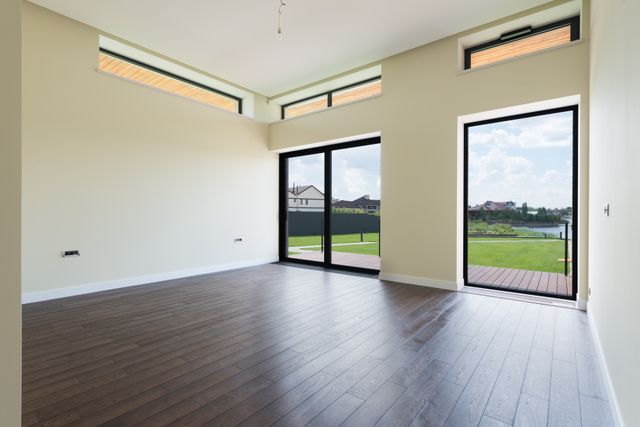
Choose a colour that complements the walls, cabinets and furniture. Light oak and natural timber tones can create a bright, warm appearance, while darker finishes may provide contrast in larger rooms.
Our modern interior finishes in Kenya and interior design materials and finishes guide offer additional ideas for coordinating flooring with other finishes.
For living areas, explore our interior finishing materials for living rooms article, and consider how flooring relates to wall and ceiling finishes.
You can also review our flooring solutions when planning a wider renovation.
Areas We Serve
Interior Finishes Kenya supports flooring projects in Nairobi, including Westlands, Lavington, Karen, Kilimani, Kileleshwa, Runda, Muthaiga, Gigiri, Loresho, Lang’ata, Spring Valley, Lower Kabete, Ruaka, Utawala and Ruiru.
We also consider suitable projects in Mombasa, Kisumu, Nakuru, Eldoret, Naivasha, Meru, Thika, Machakos and surrounding locations, subject to project requirements and availability.
Request an SPC Flooring Quote
Share your project location, approximate floor area, photographs of the existing floor and preferred SPC design.
Our team can help assess the flooring requirements, installation preparation and suitable product options.
Call or WhatsApp: 0717 044 443 / 0739 255 050 / 0725 021 709
Email: info@interiorfinishes.co.ke
Request a quotation: https://interiorfinishes.co.ke/get-a-quote