Interior Finishes Kenya offers shelving that help organise everyday items, improve product displays and make better use of available space. In Nairobi, homeowners may need shelves for kitchens, wardrobes, living rooms and home offices, while businesses often require storage for documents, stock, equipment or retail products.
The right installation depends on what the shelves will hold, where they will be mounted and how frequently the arrangement may need to change.
1. Shelf Installation for Homes
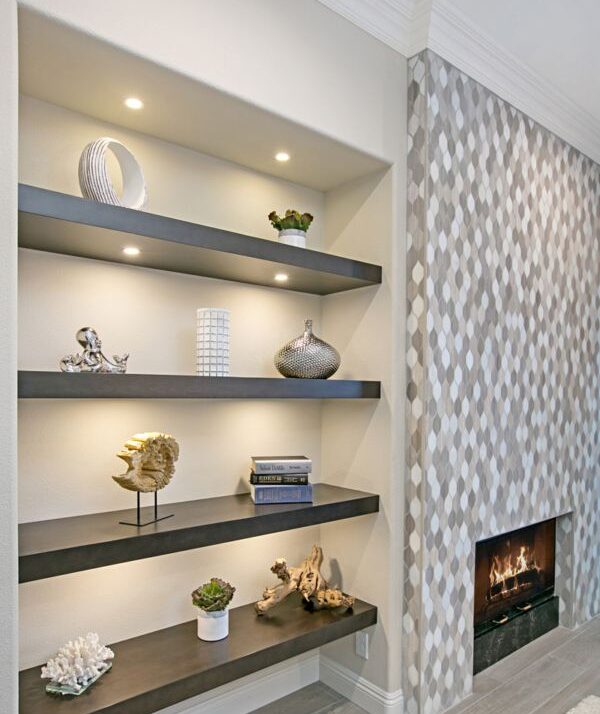
Residential shelving can combine storage with interior design. Floating shelves may suit living rooms and bedrooms, while stronger, deeper shelves may be needed for books, pantry goods or household equipment.
Common applications include:
- Living rooms: Display books, framed photographs and decorative objects.
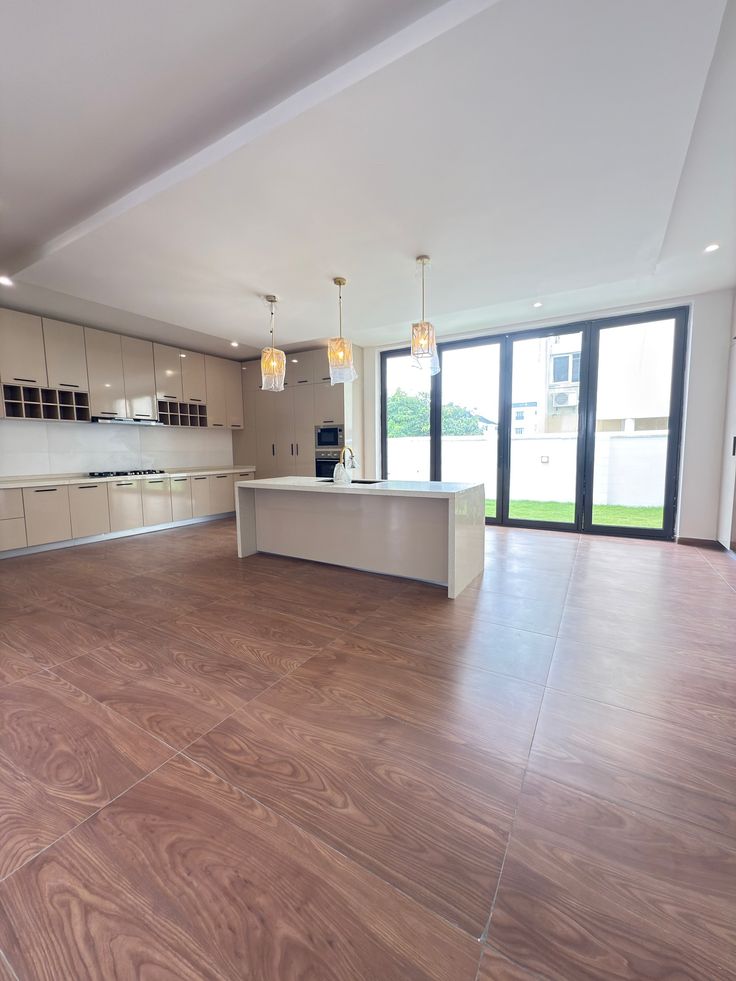
- Kitchens and pantries: Organise jars, small appliances and dry goods.
- Bedrooms: Add storage for accessories, books and personal items.
- Home offices: Store files, stationery and reference materials.
- Utility areas: Organise cleaning products and household supplies.
Custom shelving can be designed around room dimensions, furniture, sockets and door swings. Before installation, decide whether the priority is display, concealed storage or a combination of both.
2. Shelving for Offices and Commercial Spaces
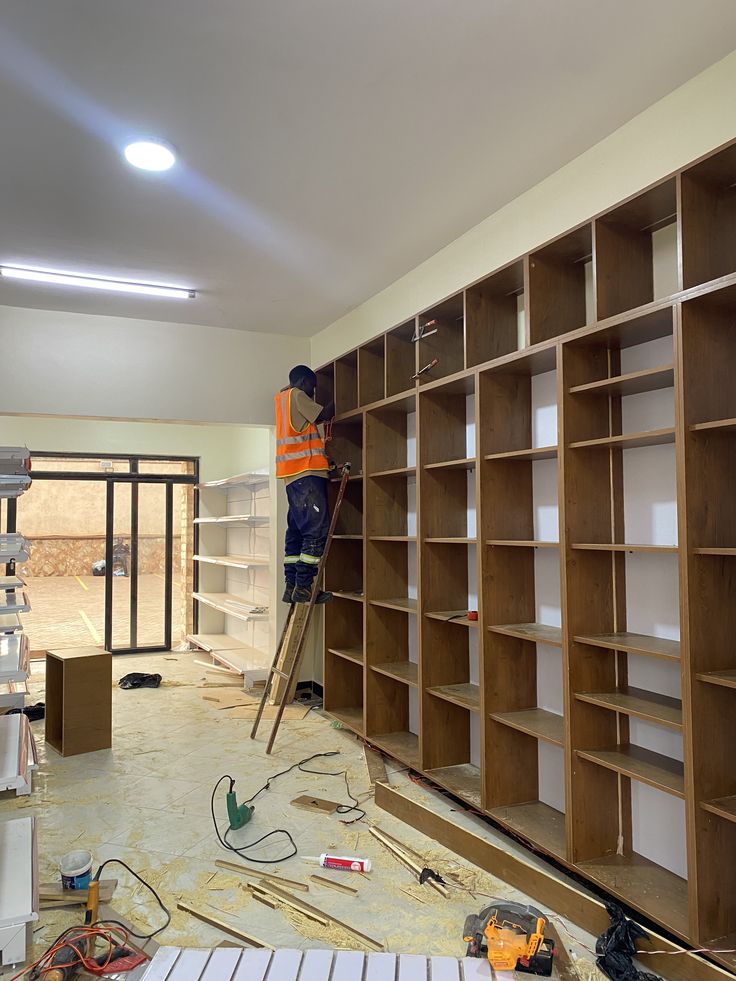
Offices may need shelves for files, stationery, samples and equipment. Retailers require a different approach because shelf spacing, product visibility and stock weight affect how customers interact with merchandise.
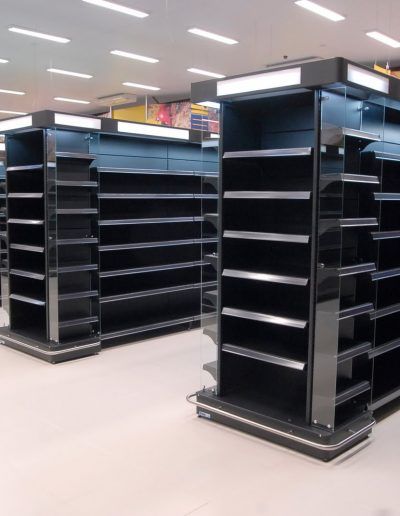
Gondola shelving can be useful for freestanding retail aisles, while wall-mounted shelving can help keep floor space open. Adjustable rail systems can suit stores that frequently change their displays.
For heavy stock or equipment, specify a shelving system designed for the expected load. Domestic decorative shelves should not be used as a substitute for commercial or industrial storage systems.
3. What Materials Should You Choose?
Laminated boards: Offer a wide range of colours and wood-look finishes. They are common in wardrobes, home offices and general storage when properly supported and protected at exposed edges.
Solid timber: Can provide a natural appearance and may be suitable for decorative shelves or custom joinery. Cost and performance depend on the timber species, dimensions and finish.
Metal shelving: Useful for selected commercial, utility and storage applications. The design should match the expected load, environment and required finish.
Glass shelves: Can create a light visual effect for selected display purposes, but the glass specification, support system and load requirements must be appropriate.
Material selection should consider not only appearance but also moisture exposure, cleaning, edge treatment, support spacing and future maintenance.
4. Why Professional Installation Matters
A shelf can fail if the wall fixing is unsuitable, the bracket is underspecified or the load is heavier than expected. The installer should identify the wall construction and choose fixings suited to the substrate.
Heavy shelves should not be attached to plasterboard alone unless a suitable rated system and supporting arrangement have been specified. Masonry, concrete, timber framing and lightweight partition walls each require different fixing considerations.
Before installation, confirm the shelf dimensions, expected load, bracket spacing, fixing points and whether concealed services may be present behind the wall. For particularly heavy or valuable items, obtain a suitable professional assessment.
5. How Much Does Shelf Installation Cost in Nairobi?
There is no single price for all shelving. A simple wall shelf, a built-in bookcase and a full retail display system involve different quantities of material and labour.
One Nairobi shelving provider publishes an indicative starting point of around KSh 20,000 per linear metre for basic built-in shelving, with premium designs potentially exceeding KSh 40,000 per metre. This is a provider-specific guide, not a universal market rate; confirm the material, dimensions and included installation work before comparing it with another quotation.
A quotation should clarify:
- Shelf length, depth and thickness.
- Material and surface finish.
- Brackets, rails and fixing hardware.
- Wall preparation and installation.
- Delivery, access and removal of old shelving.
- Whether painting, edging or custom joinery is included.
6. Planning Shelving Around the Interior
Good shelving should make a room easier to use, not more crowded. Keep frequently used items within convenient reach, allow enough space for doors and drawers to open, and ensure shelving does not obstruct walkways or emergency routes.
In retail spaces, coordinate shelving with lighting, signage, counters and customer circulation. In homes, match the finish to existing cabinetry, flooring and wall colours for a cohesive appearance.
Interior Finishes Kenya can help coordinate shelving with interior finishing and fit-out work. For custom or commercial shelving, provide the room dimensions, photographs, intended use and approximate load so the proposed system can be assessed appropriately.
Request a Shelf Installation Quote
Call/WhatsApp: 0717 044 443 / 0700 775521 Email: info@interiorfinishes.co.ke Get a quote: https://interiorfinishes.co.ke/get-a-quote
Related Post Resources
- Best Interior Finishing Company in Nairobi
- 7 Common Interior Finishing Mistakes Interior Finishes Kenya Can Help Fix
- Interior Fit-Out Services
- Interior Finishes Services Across Nairobi
- Best Display Systems for Retail and Commercial Interiors: Gondola Shelving and Wall Shelving
- Top 5 Interior Design and Finishing Companies in Kenya
- Interior Finishes Projects
- Interior Finishing Services for Homeowners in Runda
- Commercial Interior Design — SUIMAS
- Residential Interior Design Trends in Kenya — SUIMAS
- Living Room Renovation Services
- Cost of Interior Finishing a 3-Bedroom House in Kiambu